Key Takeaways
-
The extremely low turnout for the pro-billionaire march in San Francisco highlights widespread public skepticism towards the unchecked accumulation of wealth.
-
San Francisco's unique socio-political landscape, marked by progressive leanings and visible inequality, makes it a challenging environment for such advocacy.
-
The event underscores a growing global discourse on wealth distribution, taxation, and the social contract between economic elites and society.
-
Despite its small scale, the march offers insights into the limited appeal of direct, public advocacy for billionaires, contrasting with their significant indirect political and economic influence.
Main Analysis
The Sparse Turnout: A Closer Look
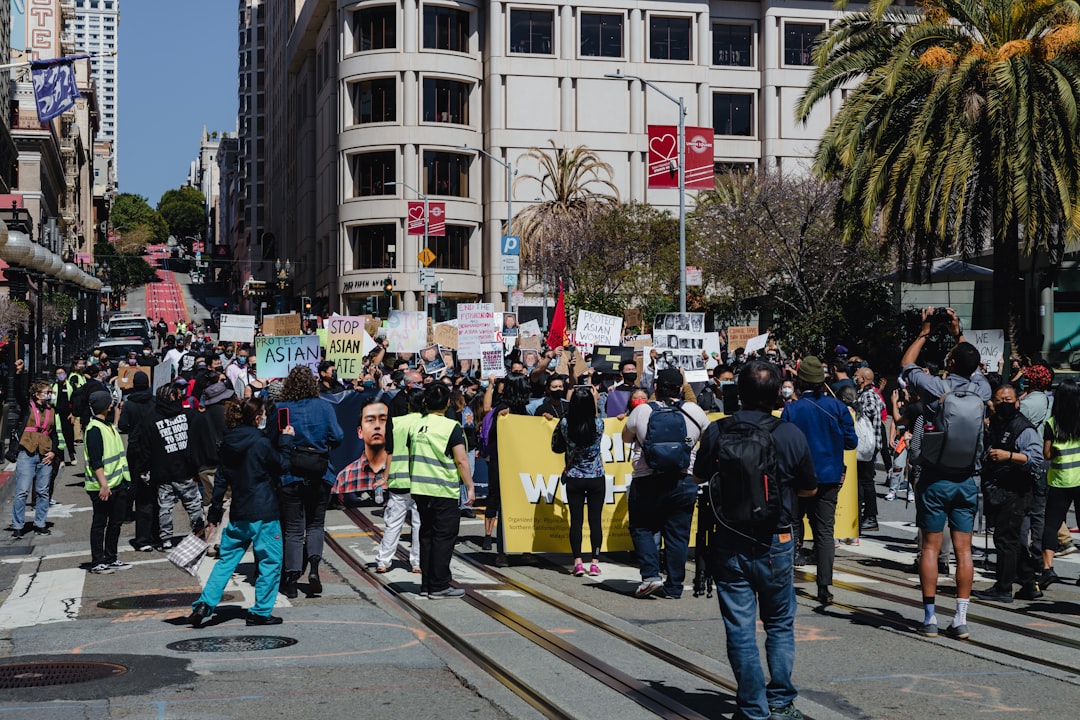
The report of "dozens" attending a march explicitly supporting California's billionaires in San Francisco is notable primarily for its modesty. In a city accustomed to impassioned demonstrations, such a low count for an event intended to champion an economic class often seen as driving prosperity raises questions. The turnout appears to have underscored a clear message: overt public identification with and celebration of extreme wealth might be a tough sell, even in the heart of Silicon Valley's influence. This isn't merely about numerical attendance; it's about the perceived popular resonance of a cause.
San Francisco's Ideological Landscape
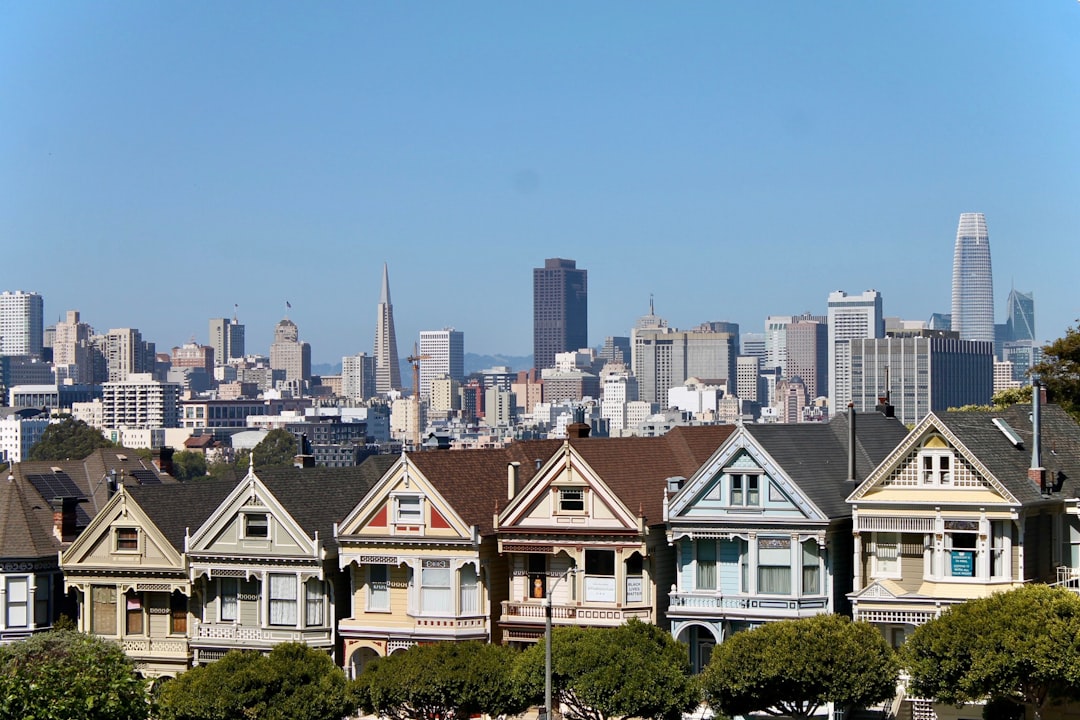
San Francisco has long been a crucible of progressive politics and social activism. While it is undeniably a global hub for technology and venture capital, making it home to a significant number of billionaires, its civic identity is also deeply intertwined with movements for social justice, environmentalism, and workers' rights. The city grapples visibly with homelessness, housing affordability, and gentrification—challenges often attributed, in part, to the very economic forces that generate immense wealth. Advocating for billionaires in such an environment, particularly without a clear articulation of mutual benefits, runs counter to many prevailing local sentiments. The idea that "wealth creators" inherently deserve unqualified public support, independent of their societal contributions or tax obligations, faces stiff opposition.
Public Perception and Wealth Disparity
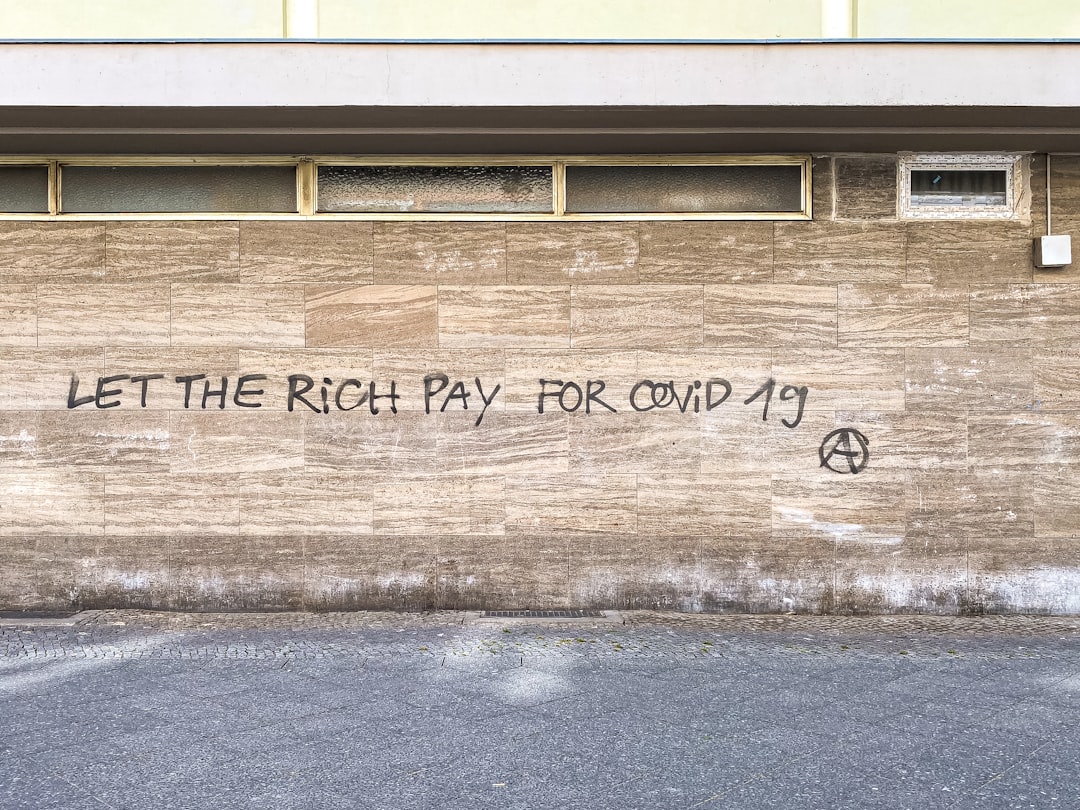
Beyond San Francisco's unique context, the meager turnout reflects broader shifts in public perception regarding extreme wealth. Decades of rising income inequality, coupled with economic shocks, have fueled debates about the fairness of economic systems. Polls frequently indicate significant public support for progressive taxation and increased regulation. The "billionaire class" has increasingly become a lightning rod for discussions on economic justice, climate change responsibilities, and corporate power. For many, publicly "supporting" billionaires without critically examining their impact or advocating for their accountability is incongruous with the pressing needs of the working and middle classes.
Beyond the March: Implications for Advocacy
While direct public marches may prove ineffective for championing the interests of billionaires, it is crucial to recognize the multifaceted ways in which the ultra-wealthy exert influence. This typically manifests through lobbying efforts, political donations, media ownership, and philanthropic initiatives, rather than street demonstrations. The San Francisco event, therefore, might serve as a reminder that the battle for public opinion on wealth inequality is rarely won through traditional protest methods when one side already controls vast resources. It suggests that while overt displays of public support for billionaires may be met with apathy or counter-protest, their influence remains robust through more sophisticated and less visible channels.
Public Sentiment
-
"It's hard to get behind a march for billionaires when so many in this city are struggling to afford rent or even find a place to live. Where's the march for affordable housing?" – Local resident, Mission District
-
"They create jobs, yes, but at what cost to the fabric of our society? A march for them feels tone-deaf when the wealth gap is wider than ever." – Community organizer
-
"Perhaps the organizers misjudged the room. People are generally more concerned with their own economic stability than with celebrating someone else's billions." – Political analyst
-
"While I respect entrepreneurial success, public support needs to be earned through tangible, equitable contributions to society, not just by existing." – Small business owner
Conclusion
The San Francisco "pro-billionaire" march, with its strikingly low attendance, offers a concise, albeit minor, data point in the ongoing global conversation about wealth, power, and public perception. It reinforces the notion that overt public appeals on behalf of extreme wealth face significant headwinds in an era marked by heightened awareness of inequality and a demand for greater accountability from economic elites. While the ultra-wealthy continue to shape policy and markets through established channels, the street-level sentiment, as evidenced in San Francisco, suggests a populace increasingly skeptical of narratives that uncritically valorize immense personal fortunes without commensurate societal benefit.