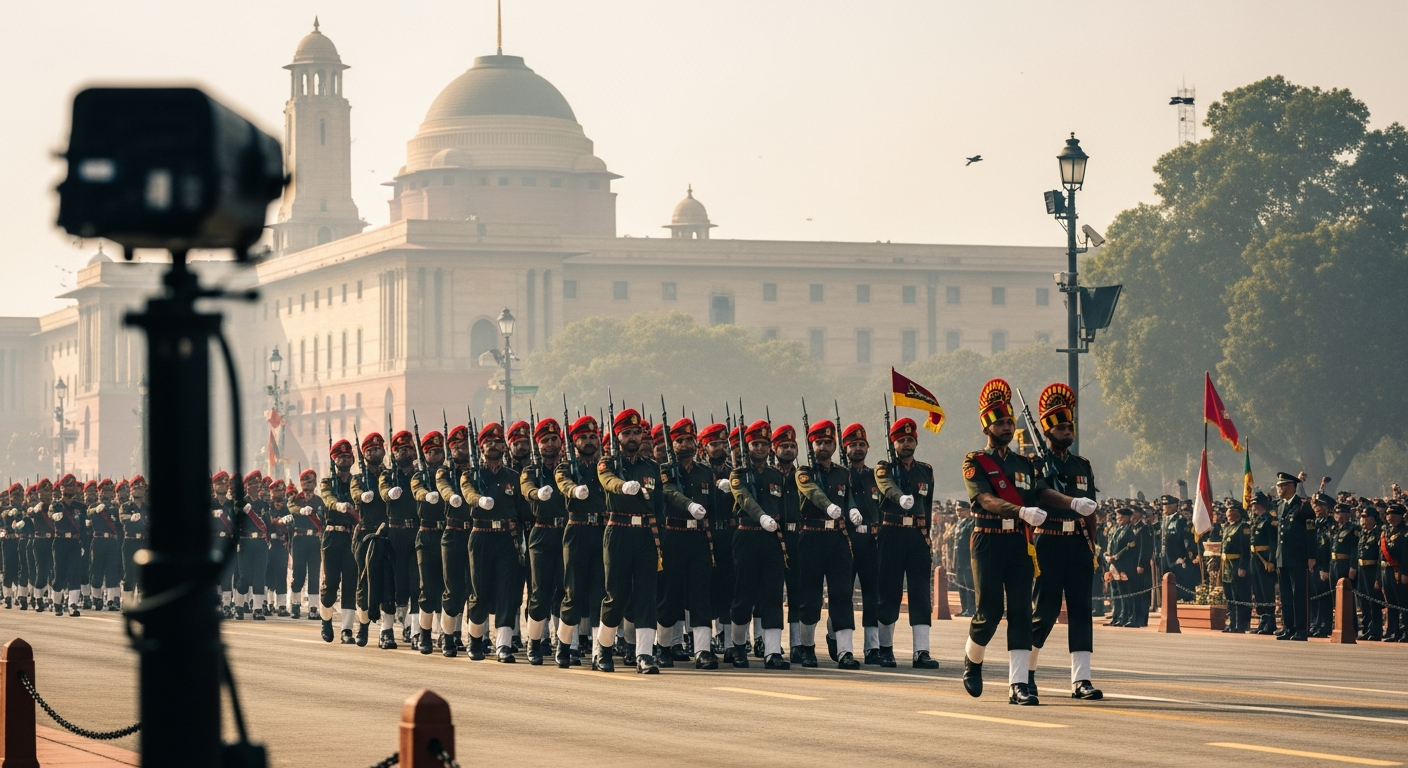
As the chill of January descends upon northern India, the air in Punjab, Haryana, and the Union Territory of Chandigarh hums with a familiar tension that accompanies the grandeur of Republic Day preparations. While the nation gears up to celebrate the adoption of its Constitution on January 26, the pervasive security enhancements – from intensified patrols to fortified installations – serve as a palpable reminder that the ideals enshrined in that foundational document are perpetually under watch.
Key Takeaways:
-
Historical Significance: Republic Day celebrates India's transition to a sovereign republic, embodying the aspirations of a free nation.
-
Security as a Constant: Heightened security measures are an integral, often understated, part of these celebrations, reflecting ongoing threats to national integrity.
-
Regional Sensitivity: The focus on Punjab, Haryana, and Chandigarh highlights their strategic importance and historical vulnerabilities.
-
Democratic Resilience: The dual act of celebration and vigilance underscores India's commitment to protecting its democratic framework against all challenges.
-
Public Awareness: These security efforts aim to instill confidence while also necessitating public cooperation and understanding.
The Weight of History: Republic Day's Enduring Significance
Republic Day, 1950, marked India's definitive break from colonial rule, establishing a sovereign democratic republic guided by its own Constitution. It was the culmination of decades of struggle, sacrifice, and the painstaking efforts of visionaries like B.R. Ambedkar and the Constituent Assembly. This day isn't just about a date; it symbolises the birth of a modern nation-state, committed to justice, liberty, equality, and fraternity. The parade down Kartavya Path is a theatrical representation of this pledge, showcasing India's military might, cultural diversity, and technological prowess. Yet, beneath the pomp and circumstance lies a deeper, more profound narrative: the continuous effort required to uphold these hard-won freedoms. The very existence of heightened security during such a foundational celebration points to the historical memory of external aggressions and internal challenges that have perpetually tested India's resolve.
A Nation Under Watch: The Imperative of Security
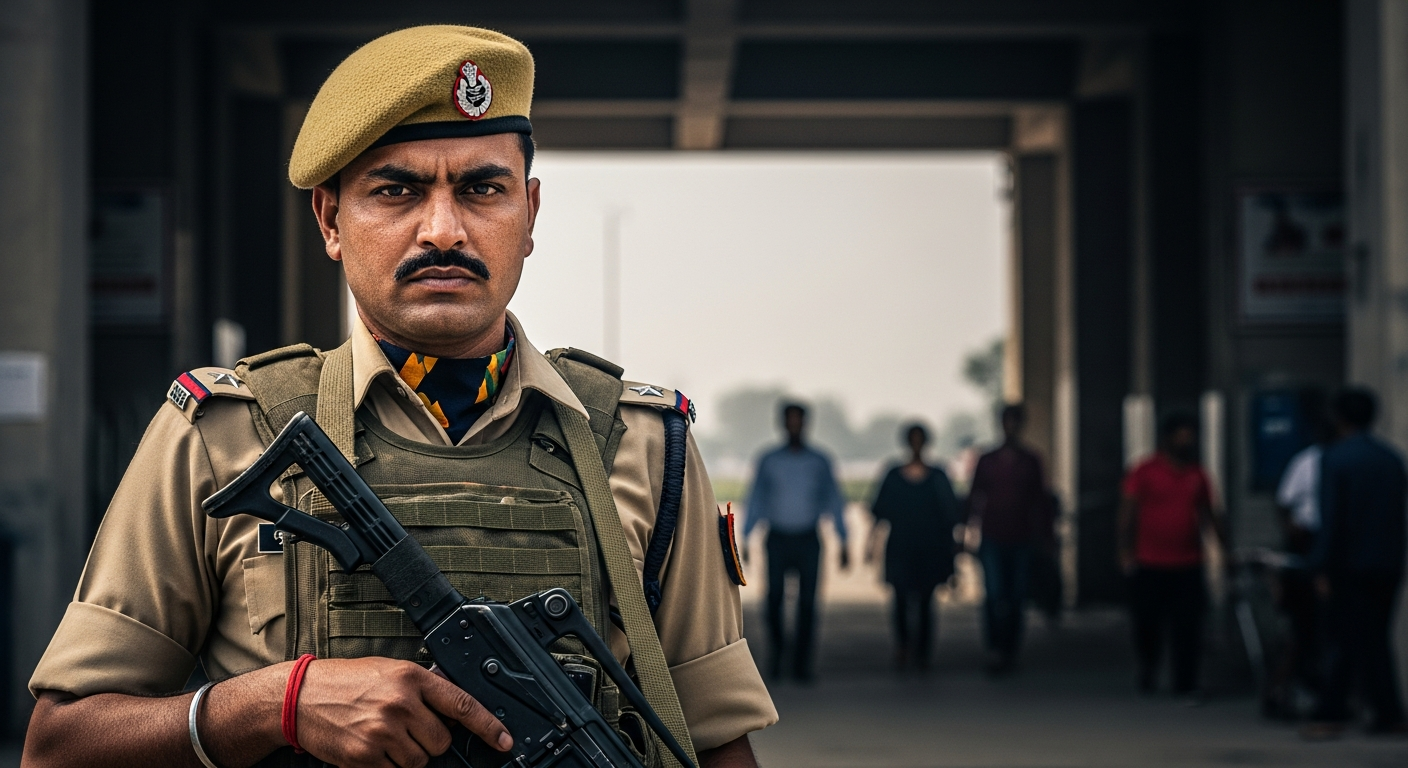
The declaration of intensified security across Punjab, Haryana, and Chandigarh is not an isolated event but a strategic response rooted in a comprehensive assessment of contemporary threats. These regions, historically sensitive and geographically proximate to international borders, have often been focal points for various security concerns, ranging from cross-border infiltration to domestic extremist activities. Officials meticulously increase surveillance at critical infrastructure – bus stands, railway stations, government buildings, and parade venues – to preempt any attempts to disrupt national harmony or undermine public confidence.
This robust security posture is a testament to India's intelligence agencies and law enforcement's proactive approach. It signifies an understanding that national celebrations, while symbols of unity, can also be perceived as high-value targets by adversaries. The industrial-scale deployment of personnel, sophisticated surveillance technology, and strategic checkpoints are not just about deterring immediate threats; they are part of a broader, year-round strategy to maintain vigilance and protect the nation's assets and citizens. The memory of past attacks, both domestic and international, serves as a grim but necessary reminder of the stakes involved, cementing the imperative of unwavering vigilance.
Beyond the Parade: Upholding Democratic Values
While the immediate focus of enhanced security is physical protection, its deeper implication lies in safeguarding the democratic ethos that Republic Day represents. A secure environment allows citizens to partake in the celebrations without fear, reinforcing the state's capability to protect its people and its institutions. However, the 'Rusty Tablet' perspective would argue that security cannot be merely a physical perimeter. It must also extend to the robustness of democratic institutions, the integrity of public discourse, and the resilience of civic society. In an age of information warfare and digital manipulation, the security apparatus must also contend with threats that undermine trust and sow discord, challenges that are arguably as potent as conventional forms of aggression. [VISUAL_2]
Regional Focus: Punjab, Haryana, and the UT of Chandigarh
The specific emphasis on Punjab, Haryana, and Chandigarh merits closer examination. Punjab, a border state with a complex history, faces persistent challenges, including cross-border narcotics trafficking and the potential for revival of extremist elements. Haryana, bordering the National Capital Region, acts as a crucial buffer and logistical hub. Chandigarh, as a shared capital and a major administrative centre, naturally attracts heightened attention. The synergy of these three entities in the national security framework is undeniable. The coordinated effort to beef up security here reflects a strategic assessment of vulnerabilities and the critical need to secure the hinterland that supports the national capital and India's vital agricultural belt.
Public Sentiment
Public sentiment regarding these visible security measures is often a mixed bag, reflecting both apprehension and assurance. "It's a little unsettling to see so many police, but then again, it's Republic Day, and better safe than sorry, I suppose," remarked Harjeet Kaur, a shopkeeper in Amritsar. Conversely, Rohit Sharma, a student in Chandigarh, expressed a sense of pride: "It shows our resolve. We celebrate our nationhood, and our forces are there to ensure peace. It reminds us of the sacrifices." There's an underlying understanding that while inconvenient, these measures are a necessary reality of modern nation-state security, a silent acknowledgement of the threats that loom large even amidst celebrations of freedom.
Conclusion
Republic Day is a powerful annual reminder of India's journey from colonial subjugation to a sovereign republic. The heightened security across Punjab, Haryana, and Chandigarh for this monumental day is not merely procedural; it is a profound historical echo and a contemporary necessity. It underscores the nation's unwavering commitment to its constitutional ideals, even as it navigates a complex geopolitical landscape and internal challenges. As the flag unfurls and the anthems play, the visible presence of security forces stands as a silent guardian, protecting not just the event, but the very essence of the Republic, reminding us that liberty's price is eternal vigilance.