Key Takeaways
-
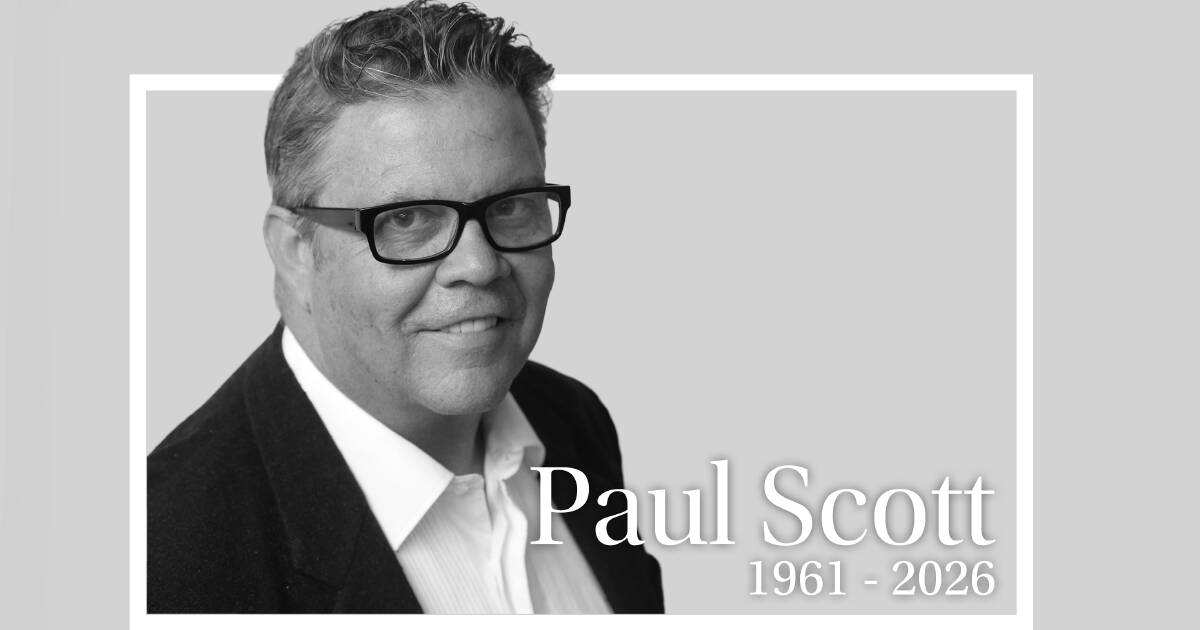
Paul Scott was a towering figure in Newcastle: an influential columnist, academic, and dedicated media director for Surfest.
-
He was a passionate advocate for the city's heritage, particularly the Newcastle Ocean Baths and the Newcastle East community.
-
Known for his sharp, often humorous, and sometimes provocative commentary, he famously embraced the epithet "the grumpiest man in Newcastle."
-
His candid discussions on mortality and voluntary assisted dying sparked important public conversations about end-of-life choices.
-
Scott's passing leaves a significant void in Newcastle's civic discourse, a testament to his unique and irreplaceable voice.
The Architect of Opinion
Paul Scott's footprint across Newcastle was undeniable, a mosaic of roles that collectively shaped the region's intellectual and social fabric. As a formidable columnist for the Newcastle Herald, his words weren't merely reports; they were pronouncements, critiques, and often, love letters to his city. His career transcended journalism, extending into academia at the University of Newcastle and deeply embedding him within the cultural tapestry through organisations like Surfest, where he dedicated over three decades as media director. He was, as many remembered, a public intellectual in the truest sense, unafraid to dissect, analyse, and provoke thought on matters ranging from urban development to local politics. His prolific output provided a consistent, often challenging, narrative that kept civic leaders and the public engaged, sometimes uncomfortably so.
A Champion of the Coastline and Community
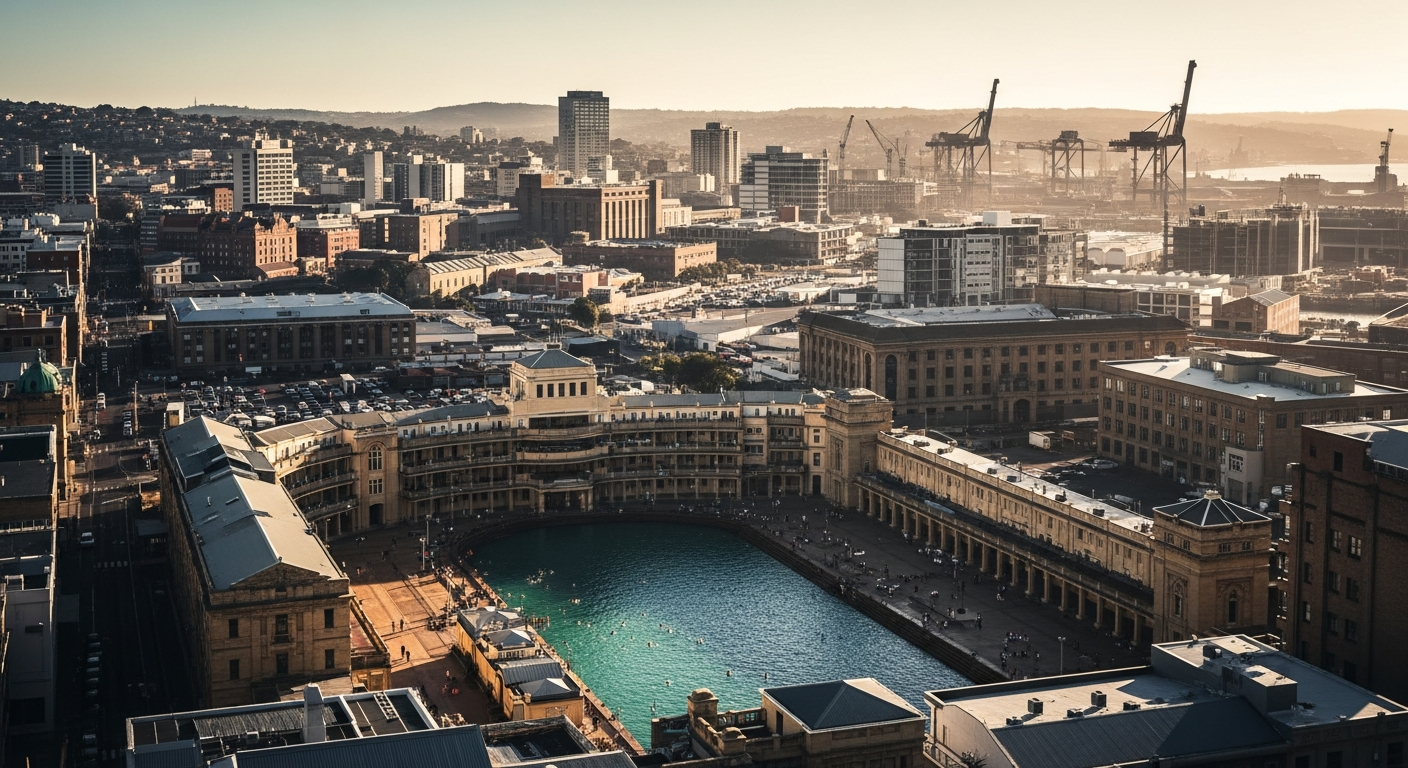
Beneath the often-blunt prose lay a fierce, unwavering devotion to Newcastle. Scott was a vocal champion for specific causes that resonated with the city's identity. His advocacy for the Newcastle Ocean Baths was legendary, a testament to his appreciation for the city's natural assets. Furthermore, his staunch support for the Newcastle East community, particularly during contentious periods like the Supercars events, highlighted his commitment to safeguarding local interests and heritage. He saw the city not just as a place, but as a living entity, deserving of protection, celebration, and honest critique. His efforts extended beyond rhetoric, contributing tangibly to outcomes like the heritage listing and government grant for the Newcastle Post Office.
The "Grumpy" Truth-Teller
Perhaps no epithet defined Paul Scott quite as famously as "the grumpiest man in Newcastle," a label he not only adopted but relished. Coined by a Property Council official wary of Scott’s unsparing commentary on urban development, this moniker became a badge of honour. It encapsulated his unique journalistic style: sharp, perceptive, and utterly devoid of fear when it came to challenging established norms or powerful entities. Yet, as many observed, this outward grumpiness was merely the vessel for a deeply thoughtful and compassionate individual. His "vivisection" and "playful skewering" of institutions were not born of cynicism, but a profound commitment to truth and a desire for the betterment of the city he so clearly adored. He understood that true love for a place often demands honest, even uncomfortable, criticism.
Confronting Mortality with Dignity
In his final months, Paul Scott demonstrated perhaps his greatest act of public service: an open and courageous discussion about his terminal brain tumour diagnosis and his consideration of voluntary assisted dying. Diagnosed after experiencing headaches at the Glenn McGrath Pink Test, he faced his prognosis with remarkable candour. He spoke with the Herald about finding "comfort" in the option of choosing his end, describing it as "a bit like insurance." This willingness to articulate his personal journey and beliefs surrounding mortality, choice, and dignity in dying had a profound impact. As Councillor Declan Clausen noted, Scott's honesty helped many, including himself, "think differently, and more openly, about death, care, and what really matters." In sharing his vulnerability, Scott continued to educate and influence, leaving a legacy that extends beyond civic commentary to the very essence of human experience.
[FEATURED]
A City's Collective Mourning
The outpouring of grief and remembrance following Paul Scott’s passing underscores his profound impact across all strata of Newcastle society. Lord Mayor Ross Kerridge, himself recently returned to office after cancer treatment, paid tribute to a "larger-than-life Novocastrian" and "prolific and regular commentator." Kerridge fondly recalled Scott's support during his own health challenges, joking about "the changed taste of wine" – a poignant moment of shared humanity.
Former Lord Mayor Nuatali Nelmes encapsulated Scott’s unique gift: "Paul had a rare gift for telling the truth with humour and heart – sharp, perceptive, and never afraid to say what others were thinking. Beneath that was a deeply thoughtful and compassionate man." This sentiment was echoed by State government MP Tim Crakanthorp, who hailed Scott as a "Newcastle legend" and a "staunch advocate" for the city's causes.
Perhaps Deputy Lord Mayor Declan Clausen articulated the duality of Scott best: "He was once called 'the grumpiest man in Newcastle' but anyone who read his words closely knew better." Clausen highlighted Scott's honesty about "dignity, about love for his daughters, and about the importance of choice at the end of life," crediting him with helping many "think differently, and more openly, about death, care, and what really matters." Even a former student, Ryan Eckford, spoke to the enduring personal impact: "I think everyone, all of us, who knew Paul Scott... knew that this day was coming, but it doesn't make it easier for any of us to accept this. I will always remember our times together in my mind and in my heart." These tributes paint a picture of a man who, despite his critical edge, was deeply respected, admired, and ultimately, loved by his community.
An Irreplaceable Voice Falls Silent
Paul Scott’s death marks the close of an influential chapter in Newcastle’s public narrative. He was not merely a columnist but a civic institution, a relentless advocate whose wit, intellect, and courage forced introspection and action. His ability to distill complex issues into accessible, often humorous, prose made him a uniquely powerful voice. While the city grieves the loss of its "grumpiest man," it also celebrates a legacy of fierce dedication, intellectual honesty, and a profound love for Newcastle. The void left by Paul Scott is a testament to the singular impact of a truly independent voice – one that will be sorely missed, but whose influence will undoubtedly resonate for years to come. The "Rusty Tablet" extends its deepest condolences to his daughters, Grace and Emma-Jane, and all who were touched by his extraordinary life.