The inaugural 'Consolidating Unity and Resilience' dialogue, held in Paris, has set a new precedent for structured engagement between Rwanda and its European diaspora. Bringing together more than 500 young individuals, many of whom were born around the pivotal 1994 Genocide against the Tutsi, the forum fostered candid discussions on Rwanda's past, present, and future, addressing core themes of national unity, collective memory, and resilience.
Key Takeaways from the Paris Dialogue:
-
Landmark Engagement: The first-ever high-level dialogue in Europe specifically for Rwandan diaspora youth, signifying a strategic shift in outreach.
-
Intergenerational Focus: A critical platform for younger generations to engage directly with their heritage and national identity.
-
Combating Misinformation: Direct efforts to clarify facts and correct prevalent misconceptions, particularly those spread online.
-
Emphasis on Practical Realities: Discussions grounded in concrete experiences and field realities rather than abstract theories.
-
Empowering Future Choices: Aims to provide clarity and strengthen the bond between diaspora youth and Rwanda, guiding their future decisions.
-
Addressing Denialism: Strong condemnation of false narratives propagated by genocide fugitives and denialists, stressing individual criminal responsibility.
A New Paradigm for Diaspora Engagement
Organizers lauded the Paris gathering as a landmark moment, facilitating crucial intergenerational reflection within the diaspora. The presence of ambassadors, diplomatic attaches, and other officials underscored the event's significance, highlighting Rwanda's commitment to nurturing robust connections with its citizens abroad. This initiative moves beyond traditional diplomatic outreach, delving into the nuanced emotional and historical landscapes that shape the identity of diaspora youth.
Bridging Generations and Narratives
The dialogue actively acknowledged the profound influence of inherited family stories and contemporary media narratives on participants' understanding of Rwanda. Many attendees articulated how these narratives, often disparate and conflicting, have shaped their worldview. The forum provided an essential space for these individual stories to intersect with collective memory, offering what organizers described as a vital opportunity to clarify facts and dismantle misconceptions that may have accumulated over time.
Confronting Misinformation: A Direct Approach
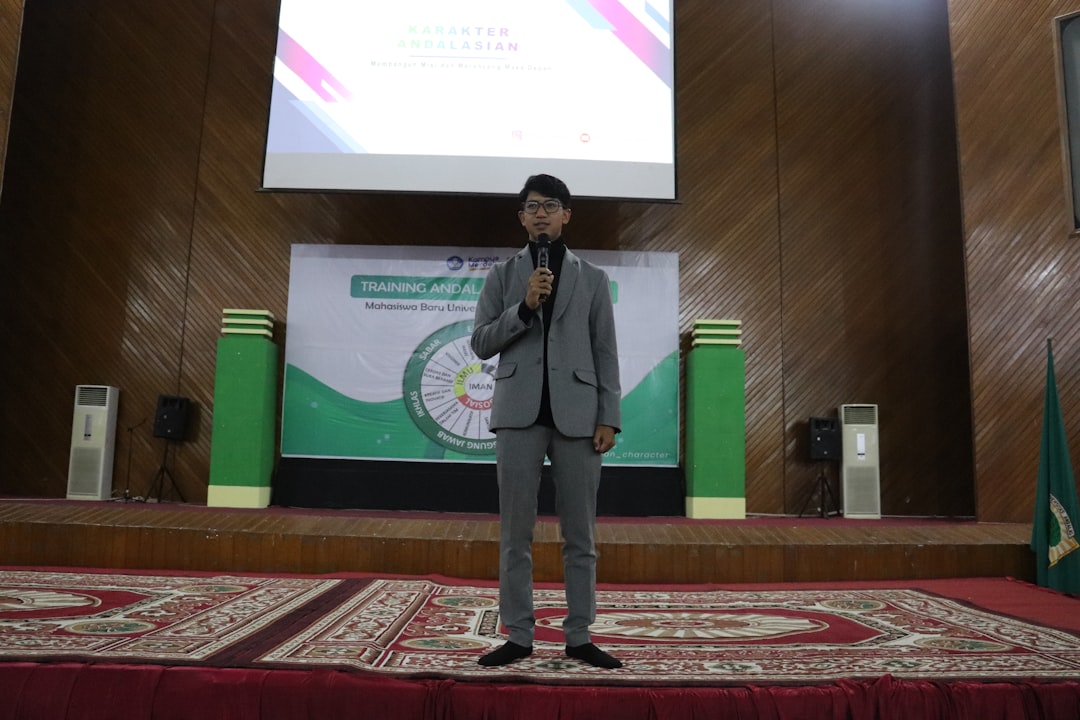
Addressing the assembly on Saturday, February 21, 2026, Hon. Dr. Damascene Bizimana, Minister of National Unity and Civic Engagement, articulated a clear vision for the dialogue. He emphasized a pragmatic approach, stating, "We are not here to present theories to you, but to share concrete and factual realities from the field that respond to your questions, expectations, aspirations, and challenges." This directness aimed to arm participants with reliable information, enabling them to make informed choices and strengthen their ties to Rwanda.
Minister Bizimana pointedly addressed the alarming spread of false narratives about Rwanda on social media. He identified genocide fugitives, denialists, and their supporters as key propagators of these destructive falsehoods, noting that some individuals might even be personally known to diaspora members. His message was unequivocal: "Do not be prisoners of their lies, their hatred, or their ideology." This powerful call to discernment underscored the individual responsibility each person holds in seeking truth and resisting manipulative narratives.
The Individual and Collective Future
Crucially, the Minister stressed that criminal responsibility for the Genocide against the Tutsi is individual, not familial. This distinction is vital for a younger generation potentially burdened by the historical context, allowing them to forge their own paths free from inherited guilt while still acknowledging history. "Rwanda belongs to all of us. The history of the genocide has taught us the irreversible importance of our unity," he declared, urging participants to defend this unity "resolutely, out of love for our country, its future, and that of our descendants. Today, tomorrow, and always."
Public Sentiment: A Call for Clarity and Connection
While no direct participant quotes were provided in the source material, the nature and objectives of the dialogue suggest a strong underlying sentiment from the attendees. Participants likely expressed a deep-seated desire for factual clarity regarding Rwanda's complex history, particularly the Genocide against the Tutsi, and a yearning to reconcile often conflicting family narratives with national truths. The open forum was likely perceived as a critical step in addressing long-held questions, fostering a sense of belonging, and empowering them to be proactive agents in shaping a positive future for their homeland. Many would have found the candid discussions invaluable for strengthening their personal and collective identity as Rwandans in Europe, affirming their connection to a country often misrepresented in external narratives.
Conclusion
The Paris dialogue signifies a momentous leap in strengthening the structured engagement between Rwanda and its European-based community. By directly addressing the challenges of historical memory, combating misinformation, and empowering its younger generation, Rwanda is actively investing in an informed, resilient, and unified diaspora. This initiative paves the way for a future where global Rwandans are not merely observers but active participants in their nation's ongoing journey of unity, healing, and progress.