
Key Takeaways
-
A Bill of Last Resort: Bipartisan senators introduce legislation to explicitly bar the U.S. from seizing NATO member territory.
-
Targeting Trump's Fantasies: The 'NATO Unity Protection Act' directly addresses former President Trump's past insistence on acquiring Greenland, by force if necessary.
-
Protecting NATO's Integrity: Lawmakers aim to safeguard the bedrock principle of collective defense and prevent actions that could undermine the 32-member alliance.
-
Bipartisan Frustration: The bill highlights deep-seated congressional concern across the aisle regarding executive actions that could destabilize global peace and U.S. standing.
The Arctic Obsession: A Problem That Won't Melt Away
Remember when we all collectively blinked, wondering if we'd accidentally stumbled into a parody newsreel? That moment, of course, was when then-President Donald Trump first floated the idea of the U.S. buying Greenland. And then, not content with merely floating it, he doubled down, reportedly musing about using force if necessary. One might have hoped that such an outlandish proposition would simply melt away like an arctic ice floe in July, but apparently, some fantasies have a longer shelf life.
Fast forward to today, and the U.S. Senate is now dedicating legislative time to formally prohibit such an act. It's a surreal testament to how far the lines of acceptable presidential discourse have been stretched.
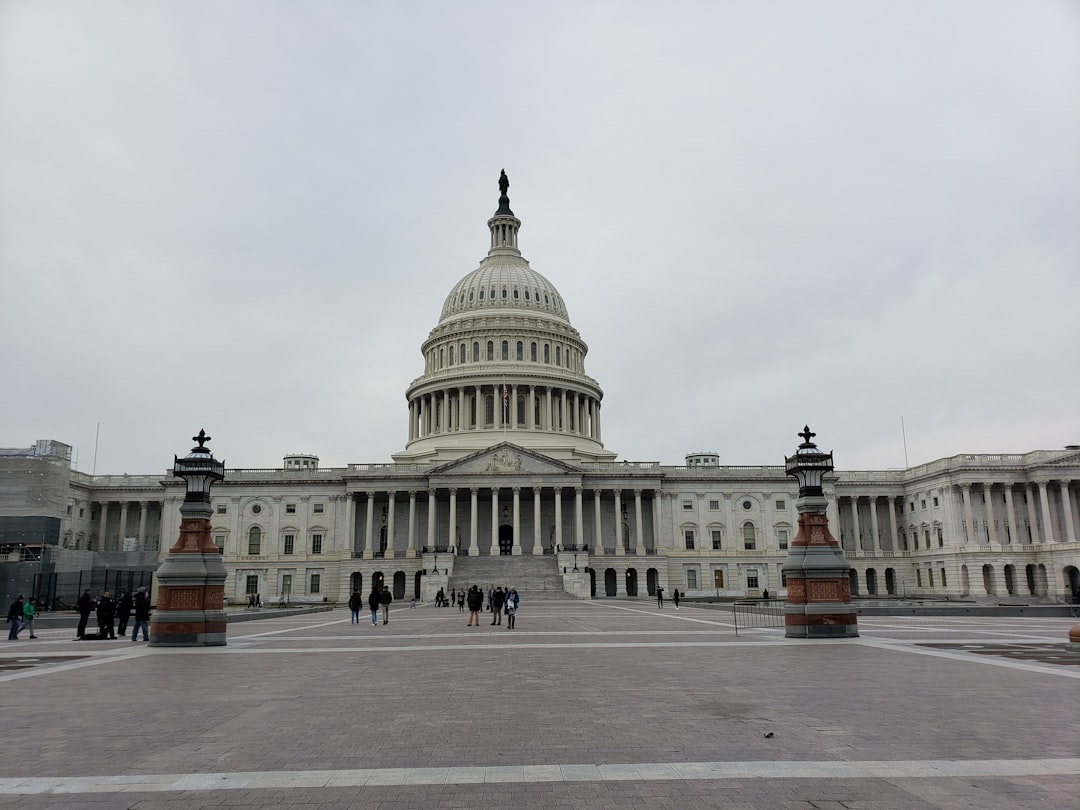
The 'NATO Unity Protection Act,' introduced by Democrat Jeanne Shaheen of New Hampshire and Republican Lisa Murkowski of Alaska, is a legislative hand-slap to any future executive who might confuse international diplomacy with a hostile takeover bid.
A Bipartisan Blockade Against Bad Ideas
The bill is straightforward, almost comically so in its specificity. It bars the Department of Defense and Department of State from using funds to "blockade, occupy, annex or otherwise assert control" over the territory of any NATO member state. You know, just in case anyone in the Pentagon was dusting off old invasion plans for Copenhagen. The sheer fact that such a bill needs to exist is a national embarrassment, but a necessary one, according to its sponsors.
Senator Shaheen put it bluntly: "This bipartisan legislation makes clear that US taxpayer dollars cannot be used for actions that would fracture NATO and violate our own commitments to NATO." It's a statement that should be self-evident, yet here we are. It underscores a growing frustration in Congress with executive branches that view international alliances as disposable assets rather than critical security infrastructure.
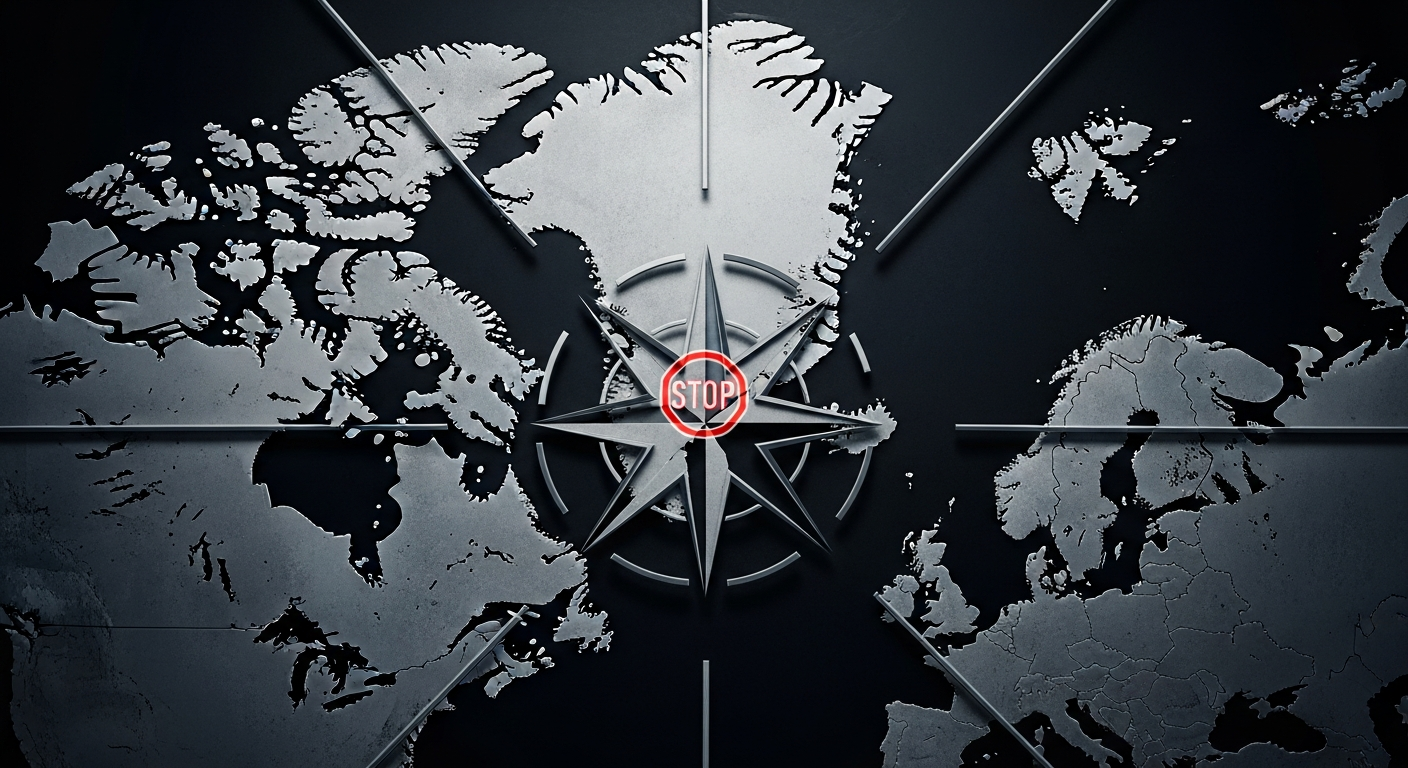
Fracturing Alliances: A Cost Too High
Murkowski, a Republican known for her independent streak, echoed the sentiment, emphasizing that NATO remains the "strongest line of defence" against forces seeking to undermine global stability. Her observation, that "The mere notion that America would use our vast resources against our allies is deeply troubling and must be wholly rejected by Congress in statute," cuts to the core of the issue. It's not just about Greenland; it's about the credibility and reliability of the United States on the global stage.
The irony is palpable. While Russia continues its aggression in Eastern Europe, and China asserts its dominance in the Pacific, U.S. senators are busy legislating against a hypothetical, self-inflicted wound to our most crucial military alliance. The message is clear: even if a president entertains such a notion, Congress is here to play the adult in the room, albeit with a heavy sigh and a roll of the eyes.
Conclusion: A Preemptive Strike Against Absurdity
This bill is more than just a legislative maneuver; it's a preemptive strike against the very notion that the U.S. would abandon its principles for a geopolitical fantasy. It's a stark reminder that even in an era of political polarization, some lines remain sacred, particularly when they involve invading our allies. The 'NATO Unity Protection Act' isn't just about protecting Greenland; it's about protecting the last shreds of sanity in a political landscape that often seems determined to shed them. For the sake of global stability, and perhaps our own reputation, let's hope it passes swiftly and without further need for such elementary lessons in international relations.