Key Takeaways
-
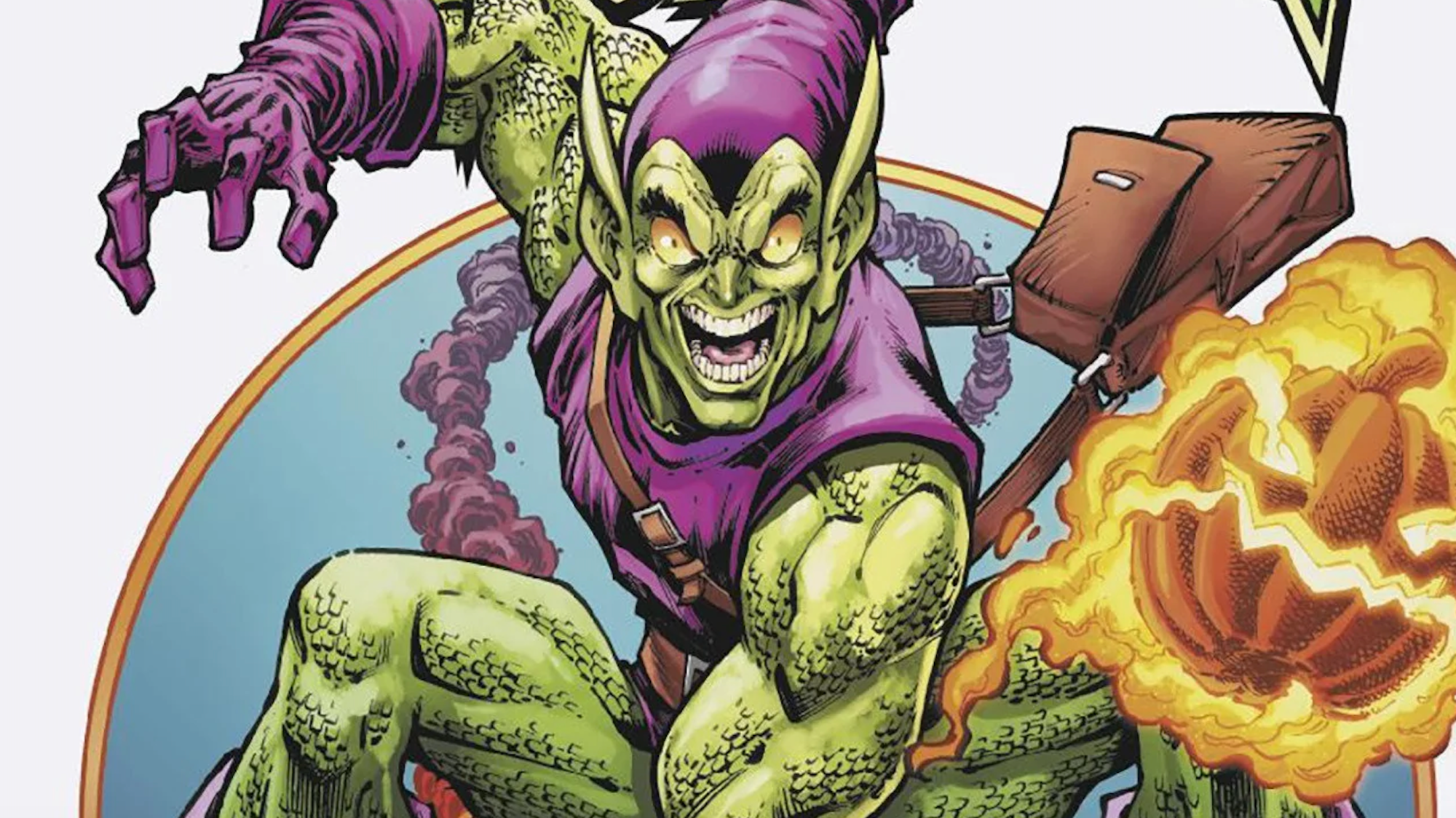
Psychological Warfare: The Green Goblin’s most formidable weapon isn't his strength or gadgets, but his intimate knowledge of Spider-Man's identity and his sadistic drive to mentally break him.
-
Enduring Legacy: Norman Osborn's influence extends beyond his own appearances, consistently impacting Peter Parker through his resurrections and the legacy he imparts to his son, Harry.
-
Defining Moments: These ranked stories showcase the Green Goblin's evolution from a masked villain to Spider-Man's ultimate archnemesis, responsible for the hero's most profound personal tragedies.
Since his debut, the Green Goblin has carved a unique, terrifying niche in the pantheon of comic book villains. More than a simple foe, Norman Osborn is Spider-Man's personal devil, a billionaire genius whose life's mission became the total destruction of Peter Parker's existence. Armed with the knowledge of Spider-Man's secret identity and an arsenal of deadly weapons, Norman’s true power lies in his capacity for psychological torture and his relentless pursuit of Peter’s suffering. He aims not just to defeat, but to dismantle. The following stories are not just battles; they are milestones in a deeply personal war, defining why the Green Goblin remains an unparalleled force of malevolence in Marvel Comics.
The Goblin's Vicious Reign: Ranking the Top 7
1. "The Night Gwen Stacy Died" and "The Goblin's Last Stand" (1973)
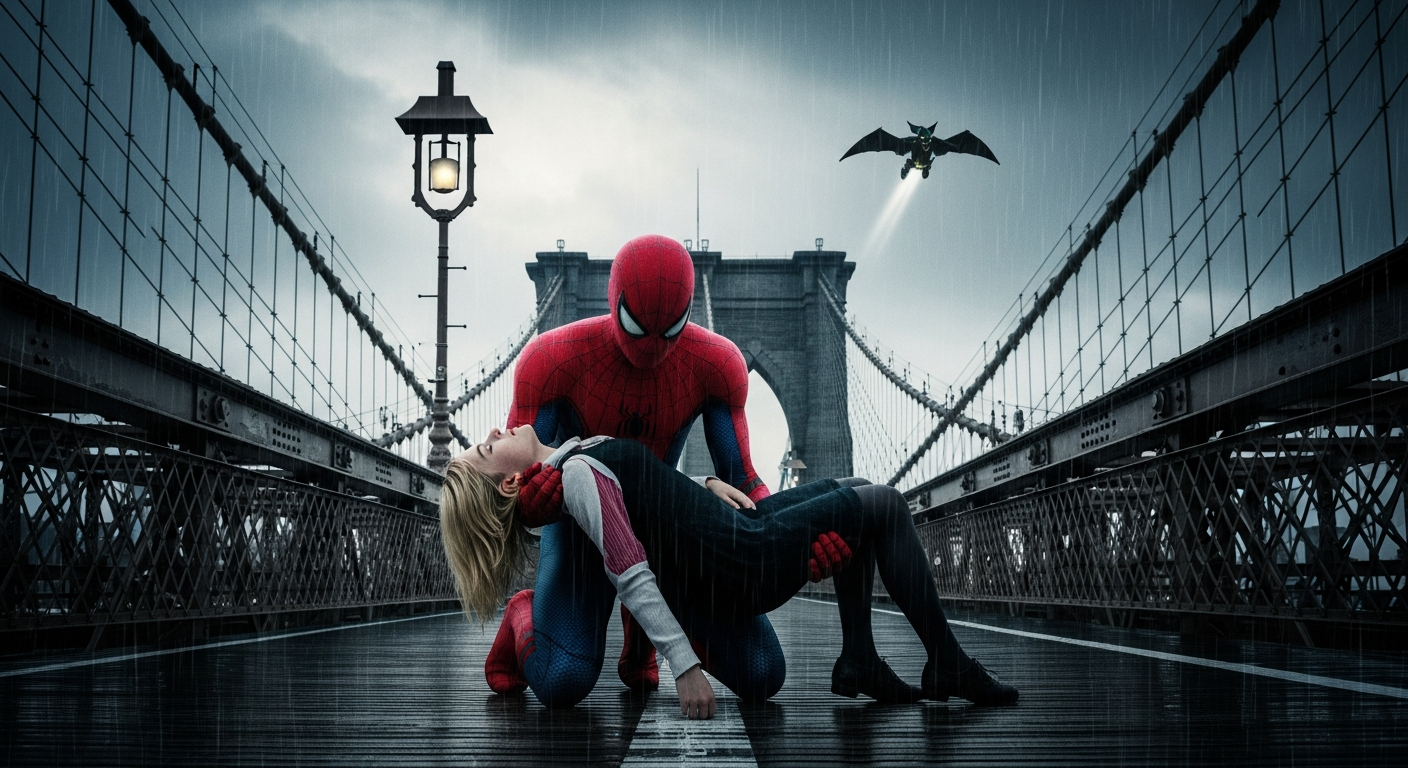
These consecutive 1973 stories represent the absolute zenith of the Spider-Man/Green Goblin feud, a boiling point from which the Marvel Universe would never truly recover. After Norman Osborn relapses, he abducts Peter's beloved girlfriend, Gwen Stacy, and orchestrates her infamous death over the Brooklyn Bridge. This single act is arguably the most impactful and brutal moment in comic book history, permanently scarring Peter and forever cementing the Goblin's status as his ultimate archnemesis. The subsequent, enraged showdown saw Peter swear to kill Norman, pushing our moral hero to the brink and illustrating the profound, irreconcilable hatred that defines their dynamic. It is a masterclass in tragic storytelling, delivering not one, but two iconic deaths that resonate to this day.
2. "The Child Within" (1991)
Harry Osborn's journey as the Green Goblin reaches its heartbreaking crescendo in this 1991 epic. Having fully succumbed to the Goblin serum and his own madness, Harry reclaims his father's mantle, driven by a twisted desire for vengeance against Peter. This tale is a tragic exploration of how Norman's legacy poisons those closest to him, forcing Peter to confront not just an enemy, but his former best friend. The psychological torment Harry inflicts mirrors Norman's own methods, drawing Peter's loved ones into mortal danger. It's a raw, emotional narrative that culminates in one of Spider-Man's most devastating and personal losses, a true testament to the cyclical nature of Osborn family madness.
3. "Trick of the Light" (2000)
In 2000, Norman Osborn's dark ambition takes an even more insidious turn: he seeks to mold Peter Parker into his successor. "Trick of the Light" is a horrifying descent into psychological and physical torment, as Peter is kidnapped and subjected to agonizing trials designed to break his spirit and mind. Osborn's objective is to force Peter to embrace the darkness, to become the new Green Goblin, pushing him to the precipice of sanity. This story offers an unparalleled deep dive into the twisted motivations of both Norman and Peter, meticulously dissecting their personal histories and the very core of why they don their respective masks. It's a stark reminder that Osborn's greatest weapon is his sadistic, strategic intellect.
4. "The Green Goblin Lives Again" (1974)
Even in death, Norman Osborn's shadow looms large. This 1974 story perfectly illustrates the enduring, corrosive legacy he leaves behind. Following Norman's 'death,' his son Harry's mind shatters upon discovering Peter's secret identity. Consumed by grief and vengeance, Harry drinks his father's Goblin serum and takes up the mantle. This tragic narrative sees Peter hunted by the person he once considered his closest friend, transformed into his greatest enemy. It's a poignant exploration of the never-ending cycle of vengeance, and the sad inevitability of Norman's malevolence infecting the next generation.
5. "A Death in the Family" (2002)
Norman Osborn's plots frequently transcend mere physical confrontation, as evidenced in 2002's "A Death in the Family." Here, he commits one of his most twisted acts, deliberately provoking Peter by putting Flash Thompson into a coma and publicly accusing Spider-Man of Gwen Stacy's death. Osborn's goal is chillingly clear: to push Peter to murder him, transforming the righteous hero into a cold-blooded killer. The battle drives Peter to the brink of insanity, forcing him to grapple with the ultimate moral dilemma. Yet, amidst the horror, the story masterfully evokes sympathy for Norman, revealing a mentally disturbed, miserable man consumed by his obsession with Spider-Man.
6. "The End of the Green Goblin" (1966)
Despite its misleading title, this 1966 story is foundational, marking the true beginning of the Spider-Man/Green Goblin rivalry's significance. It's where the secret behind the green mask is finally torn away. The Green Goblin employs a gas to dull Spider-Man's Spider-Sense, allowing him to track Peter home and uncover his secret identity. The subsequent reveal of Norman Osborn—the father of Peter's best friend, Harry—is a monumental moment that forever alters their dynamic. This tale also explores Norman's origin, solidifying him as one of Marvel's most notorious supervillains and setting the stage for decades of deeply personal conflict.
7. Marvel Knights Spider-Man #1-12 (2004)
Even when his identity as the Green Goblin is exposed and he's behind bars, Norman Osborn’s influence proves inescapable. In this 2004 series, Norman leverages his strategic brilliance by revealing Spider-Man’s secret identity to an unknown villain, leading to the kidnapping of Aunt May. The story becomes a desperate race against time for Peter, as he navigates a unified Sinister Twelve while trying to save his aunt and, eventually, Mary Jane. This run perfectly showcases that beneath the super strength and deadly gadgets, Norman's most potent weapon remains his sadistic, strategic mind, capable of inflicting suffering even from a prison cell.
Public Sentiment
The fan community consistently highlights the Green Goblin's unique terror. As one Redditor put it, "Other villains want to fight Spider-Man, Norman wants to destroy Peter Parker." A comment on a comic book forum echoed this, stating, "It's the personal connection and the sheer evil of what he's done to Peter's family that makes him so chilling." Another fan noted, "Even when he's not around, the Goblin's legacy haunts Peter. That's true villainy." These sentiments underscore the widely held belief that Norman Osborn represents a distinct, deeply personal threat unlike any other in Spider-Man's rogues gallery.
Conclusion
The Green Goblin's impact on Spider-Man's mythology is undeniable. These seven stories are not just highlights; they are essential texts that chronicle Norman Osborn's evolution into Marvel's most complex and utterly terrifying villain. From revealing his identity to orchestrating Gwen Stacy's death, and consistently pushing Peter Parker to the brink of his sanity, the Green Goblin has earned his place as the Web-Head's true archnemesis. His reign of terror is a masterclass in psychological warfare, a testament to how deeply personal a comic book rivalry can become, and why he remains a fascinating, if horrifying, subject of analysis for any student of superhero lore.