Key Takeaways
-
Former Kaduna State Governor Nasir El-Rufai reportedly resisted an attempted arrest at Abuja Airport, claiming security agents seized his passport.
-
Billionaire Femi Otedola projects the Naira could trade below ₦1,000/$ by 2026, driven by the Dangote Refinery reaching full capacity.
-
A Federal High Court judge has recused himself from the high-stakes ₦213bn asset forfeiture case involving former AGF Abubakar Malami.
-
Upcoming maintenance on gas facilities is expected to cause a significant temporary dip in national power generation.
-
Celebrity news, including a baby dedication and an actor's legal threat, garnered public attention alongside a tragic road accident in Lagos.
Main Analysis
Political Tensions and Judicial Oversight
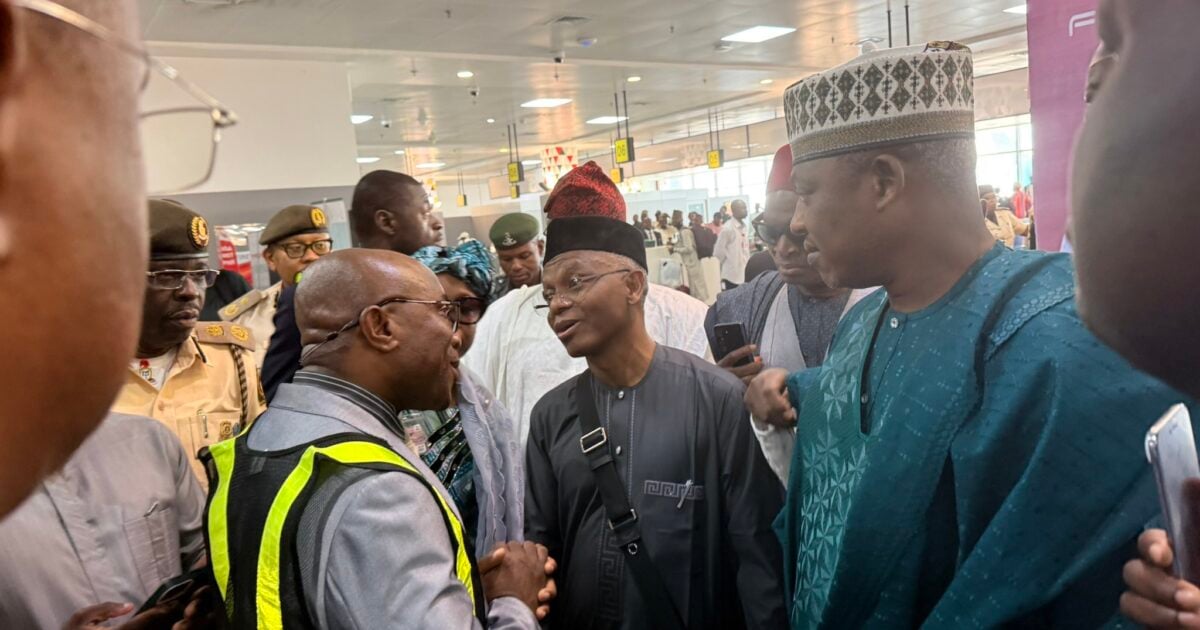
The political atmosphere in Nigeria remains charged, highlighted by the recent incident involving former Kaduna State Governor Malam Nasir Ahmad El-Rufai. Reports indicate that security agents attempted to apprehend El-Rufai at Nnamdi Azikiwe International Airport upon his return from Cairo, Egypt. According to his media aide, Muyiwa Adekeye, El-Rufai declined to accompany the operatives without a formal invitation, and the agents allegedly seized his passport from one of his aides during the encounter. This alleged confrontation, currently lacking official confirmation from security authorities, has fueled speculation regarding the underlying motives and the ongoing dynamics between past and present administrations. It underscores the continued scrutiny faced by former public officials in Nigeria's anti-corruption drives and political transitions, often drawing intense public and media attention.
Adding to the intricate legal tapestry, Justice Obiora Egwatu of the Federal High Court has recused himself from the sensitive ₦213 billion asset forfeiture suit involving former Attorney-General of the Federation and Minister of Justice Abubakar Malami and two other individuals. Citing "personal reasons and the interest of justice," Justice Egwatu's decision to return the case file to the Chief Judge for reassignment introduces a temporary pause in a matter of significant public interest. This recusal is a procedural development that often occurs in high-profile cases, aimed at preserving the integrity and impartiality of the judicial process, even as it potentially prolongs the resolution of such high-stakes proceedings.
Economic Outlook and Infrastructure Impact
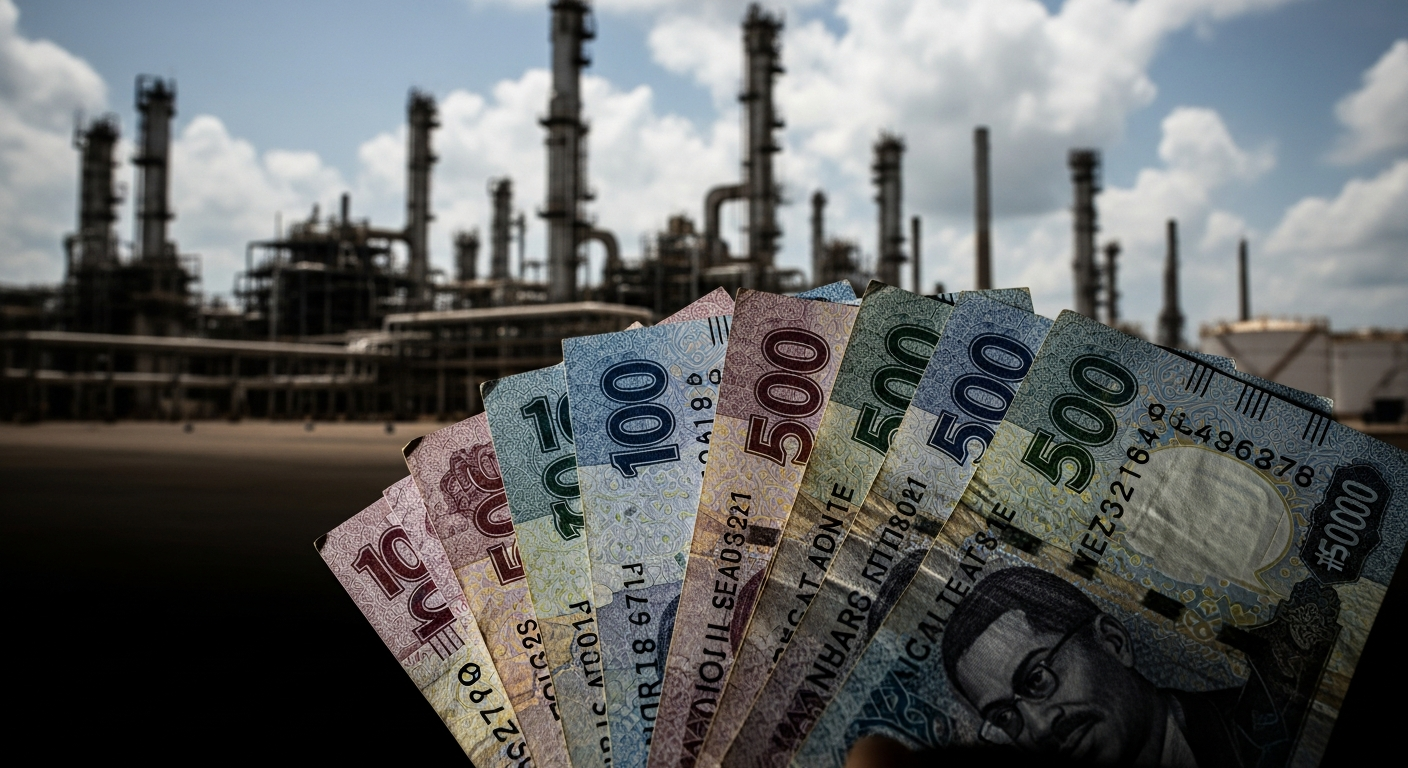
On the economic front, a notable projection has emerged from billionaire investor Femi Otedola, who anticipates a significant strengthening of the Nigerian Naira. Otedola suggested that the Naira could appreciate to trade below ₦1,000 to the US dollar before the end of 2026. This optimistic forecast is directly linked to the Dangote Petroleum Refinery reaching its full production capacity of 650,000 barrels per day. The rationale is that a fully operational refinery would drastically reduce Nigeria's long-standing dependence on fuel imports, thereby easing considerable pressure on the country's foreign exchange market. This development, if realized, could represent a pivotal shift in Nigeria's economic stability and forex dynamics, potentially impacting everything from import costs to inflation.
However, the nation's critical infrastructure faces immediate challenges. Both the Nigerian National Petroleum Company Limited (NNPC) and the Nigerian Independent System Operator (NISO) have issued warnings regarding impending power disruptions. Routine maintenance by Seplat Energy Plc on key gas production facilities from February 12 to 15 is expected to temporarily reduce gas supply to the NNPC Gas Infrastructure Company Limited network. NISO further elaborated that this four-day maintenance period is projected to cut electricity generation by approximately 934.96 megawatts, representing nearly 20 percent of current national output. While full supply and generation are anticipated to resume by February 16, this temporary setback highlights the fragility of Nigeria's power grid and its susceptibility to planned and unplanned outages, impacting businesses, public services, and daily life across the country.
Social and Entertainment Updates
Beyond the realms of politics and economics, the social fabric of Nigeria continues to weave diverse narratives. Celebrated musician 2Baba and his wife Natasha recently dedicated their baby in a church ceremony, a private family moment that quickly garnered public attention through circulating online videos, reflecting the enduring interest in celebrity culture. Meanwhile, Nollywood actor Uzor Arukwe has taken a more confrontational stance, threatening legal action against individuals spreading what he terms "false and damaging rumours" about him and a colleague on social media. This incident underscores the increasing prevalence of online misinformation and its potential for reputational harm, prompting public figures to resort to legal recourse to protect their image.
Tragically, Lagos witnessed a fatal road accident where a man died and his wife sustained serious injuries after their car was reportedly crushed by a truck. This incident serves as a grim reminder of the persistent challenges related to road safety and infrastructure in urban centers, often sparking public discourse on traffic management, driver discipline, and accident prevention strategies.
Public Sentiment
Public reactions to these diverse developments range from cautious optimism to deep-seated skepticism. "The El-Rufai situation is classic Nigerian politics—power plays behind closed doors, no transparency," remarked one commentator on social media, reflecting a common sentiment of distrust towards political processes. Another observed, "Otedola's naira prediction offers a glimmer of hope, but we've heard these promises before. The refinery needs to actually deliver, not just promise." Concerns about infrastructure were palpable, with a citizen noting, "Another power cut? It feels like one step forward, two steps back for our electricity supply. Businesses suffer the most." The public's response to the varied news points to a blend of cautious optimism regarding economic improvements, cynicism about political transparency, and persistent frustration over basic public services.
Conclusion
The past few days have provided a concentrated snapshot of Nigeria's multifaceted challenges and aspirations. From the high-stakes drama surrounding a former governor and the intricate dance of judicial proceedings to the fluctuating hopes for economic recovery anchored by industrial behemoths, the nation remains a vibrant yet complex entity. The warnings of impending power disruptions serve as a stark reminder of systemic vulnerabilities, even as cultural events and social developments continue to shape the national narrative. Navigating these diverse currents will require robust governance, strategic economic planning, and sustained public engagement to steer Nigeria towards its desired future, ensuring stability and progress amidst ongoing national transformations.