NHL's Triumphant Return to Olympic Ice Marks New Era for Global Hockey
[FEATURED]
Key Takeaways
-
NHL players are back at the Olympics for the first time since 2014, ending a 12-year absence.
-
Top stars are battling immediate challenges like jet lag after traveling directly from NHL games.
-
The return promises a "best-on-best" tournament, elevating the competition and global interest.
-
Prominent players like Lukas Dostal, David Pastrnak, Leon Draisaitl, and Nino Niederreiter are already making their presence felt.
-
Russian NHL stars remain excluded due to ongoing international sanctions, a notable omission from the world's elite gathering.
The Long-Awaited Return Ignites Milan Games
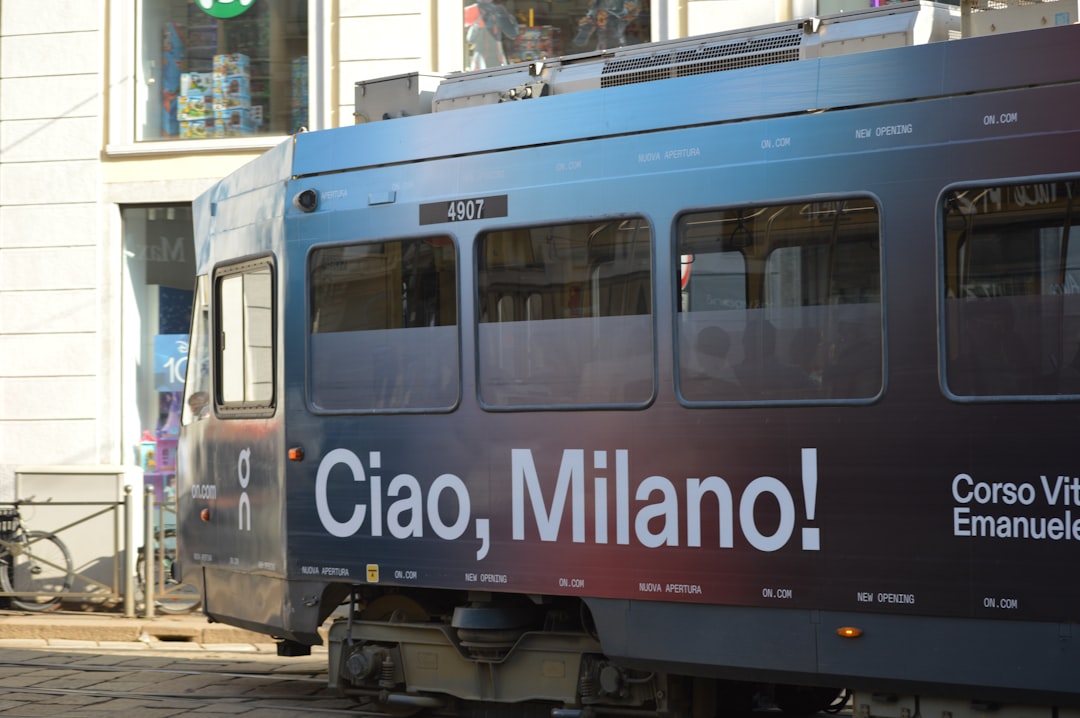
The atmosphere in Milan is electric as the National Hockey League's biggest names converge for the Winter Olympics, marking a watershed moment for international ice hockey. For over a decade, the absence of NHL talent left a void in the Olympic hockey tournament, prompting debates over the true "best-on-best" nature of the competition. Now, that era concludes, with approximately 150 NHL players expected to bring a "megawatt spotlight" back to the Games. The journey itself has been a testament to their dedication, with many players, fresh off grueling NHL schedules, arriving in Milan already battling exhaustion. Czech goaltender Lukas Dostal of the Anaheim Ducks, an early arrival, encapsulated the immediate challenge: "Of course, I'm jet lagged... I didn't have much time to see around because I got here last night so I just went to my room, got some dinner, slept, and just got here." His swift transition from transatlantic flight to ice practice underscores the commitment required for this historic return.
Star Power and Global Representation
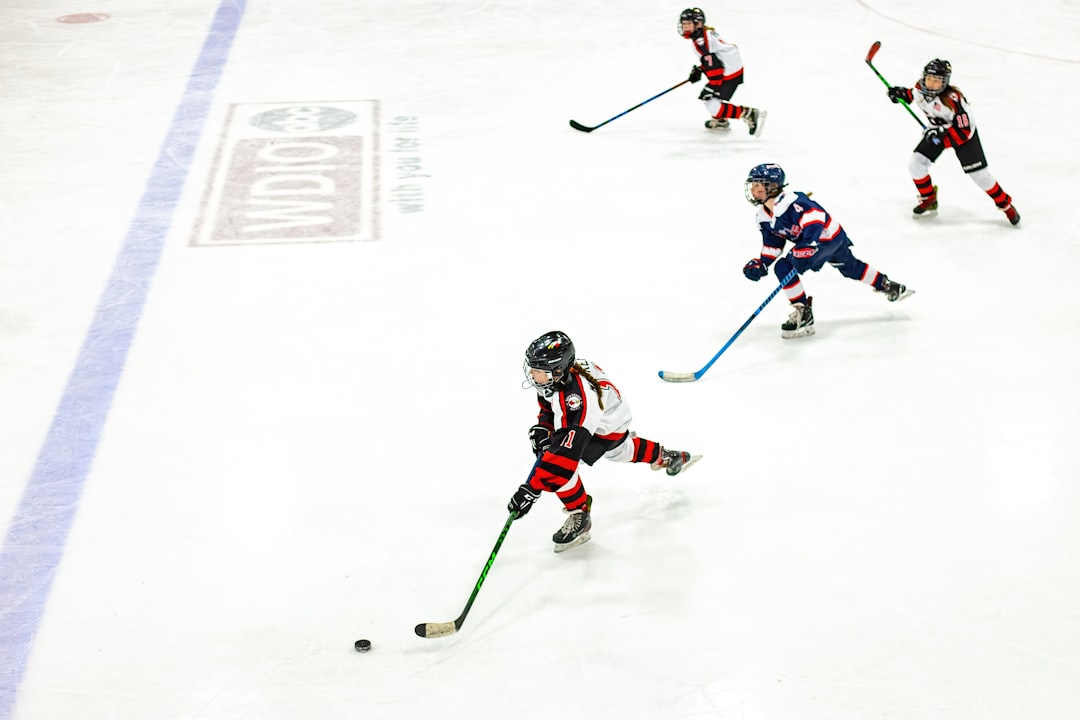
The roster of arriving talent reads like a who's who of professional hockey, ensuring a truly global spectacle. Players from across the NHL are representing their national colors with immense pride. Flag-bearing duties at Friday's opening ceremony highlighted this star power, with Boston Bruins winger David Pastrnak leading the Czech Republic, Edmonton Oilers center Leon Draisaitl for Germany, and Winnipeg Jets winger Nino Niederreiter for Switzerland. This level of participation ensures that rivalries will be fiercely contested, and the skill on display will be unmatched by recent Olympic tournaments. The presence of these elite athletes is expected to draw unprecedented viewership and engagement, reinvigorating interest in ice hockey on the world's grandest stage.
Navigating the Gauntlet: Schedule and Injuries
While the excitement is palpable, the logistical realities of the NHL's Olympic break present immediate hurdles. The league commenced its pause on Friday, triggering a rapid influx of players into Milan. For many, this means a tight turnaround from high-stakes professional games to international competition. Teams like the United States are opting for a slightly delayed start to practices, allowing players more time to acclimatize and recover. However, the wear-and-tear of an NHL season is already evident. Canada, a perennial medal contender, has already been forced to replace two injured players in its roster this week, underscoring the physical toll on these athletes. The challenge for national teams will be to integrate tired, jet-lagged players quickly while managing existing fatigue and preventing further injuries, all while building team chemistry under immense pressure.
The Shadow of Sanctions: A Notable Omission
Despite the overwhelming enthusiasm for the NHL's return, a significant shadow looms over the "best-on-best" claims: the absence of top Russian stars. Due to sanctions imposed following Russia's invasion of Ukraine in 2022, players like the NHL's all-time goal-scoring leader Alex Ovechkin are barred from competing. This exclusion means that the tournament, while featuring an unprecedented array of talent from other nations, will not truly represent every single top-tier player in the world. This geopolitical reality serves as a stark reminder of the broader global context impacting sporting events, even as the hockey world celebrates its long-awaited Olympic reunion.

Public Sentiment
The players themselves are embracing the unique challenge and opportunity. Lukas Dostal, initially planning to prioritize rest over the opening ceremony, quickly changed his mind: "I woke up and I'm like, 'Hey, it's one-of-a-kind experience.'" This sentiment reflects a widespread appreciation for the chance to compete on such a grand platform. Dominik Kubalik, an NHL alum who played in 2018 and now competes in the Swiss National League, articulated the expected leap in competition: "It's good that I know how it is to play against them. It's going to be a different level." This anticipation of a higher standard of play, fueled by the reintroduction of NHL talent, is a common thread among both current and former participants.
Conclusion
The return of NHL stars to the Olympic Winter Games in Milan Cortina represents a pivotal moment for ice hockey. It's a reunion forged through years of negotiation and compromise, promising an unparalleled display of skill, passion, and national pride. While challenges abound—from immediate physical demands to the geopolitical implications of missing key talent—the overwhelming sentiment is one of excitement and anticipation. This tournament is set to redefine "best-on-best" hockey, offering fans a thrilling glimpse into the sport's elite, and undoubtedly leaving an indelible mark on Olympic history. The global spotlight is firmly on Milan, ready to witness hockey played at its highest level.