Key Takeaways:
-
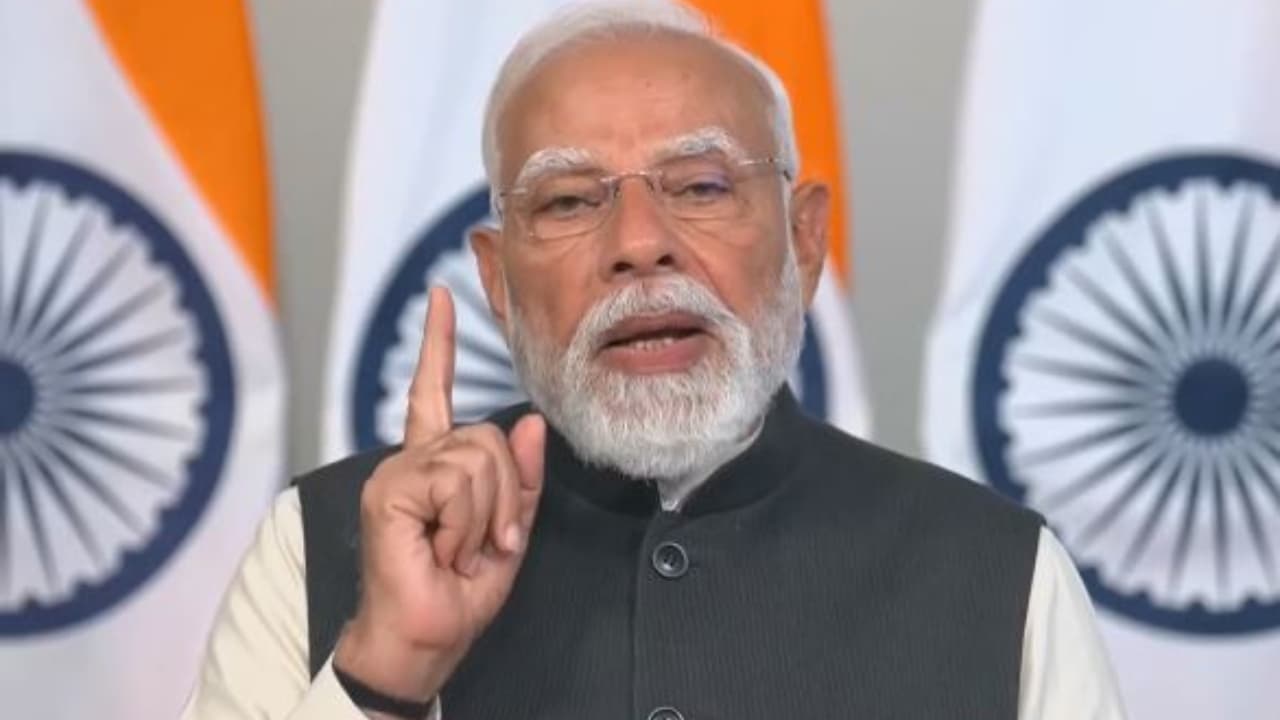
Strategic Timing: PM Modi's visit to Dera Ballan on Guru Ravidas's 649th birth anniversary, immediately post-Union Budget 2026, signals a calculated blend of religious respect and political urgency.
-
Dalit Outreach: The visit is a direct overture to Punjab's Ravidassia community and the wider Dalit demographic, a critical voting bloc accounting for 32% of the state's population.
-
Symbolic Renaming: The announcement of Adampur Airport's renaming to Sri Guru Ravidas Ji Airport fulfills a long-standing community demand, adding significant cultural and symbolic weight.
-
Recognition of Influence: The visit follows the Padma Shri award conferment on Sant Niranjan Dass, head of Dera Sachkhand Ballan, acknowledging his considerable social and spiritual authority.
-
2027 Polls Focus: Analysts view this as a clear precursor to the 2027 Punjab state assembly elections, with the BJP aiming to expand its base and secure a stronger foothold.
Main Analysis:
The Calculated Timing: From Budget to Ballan
The optics were striking: Prime Minister Narendra Modi, barely four hours after the Union Budget presentation, departed for Dera Sachkhand Ballan in Punjab. This was no coincidence; it was a masterclass in political sequencing. Linking national economic policy with a profound cultural engagement, Modi sent an unambiguous message: governance and grassroots connection are vital in the BJP's electoral playbook. The timing amplified the visit's significance, placing it in the spotlight as a deliberate, high-priority strategic move, suggesting Punjab's spiritual and political landscapes hold immediate importance alongside the national economic agenda.
Wooing the Dalit Heartland: A Demographic Imperative
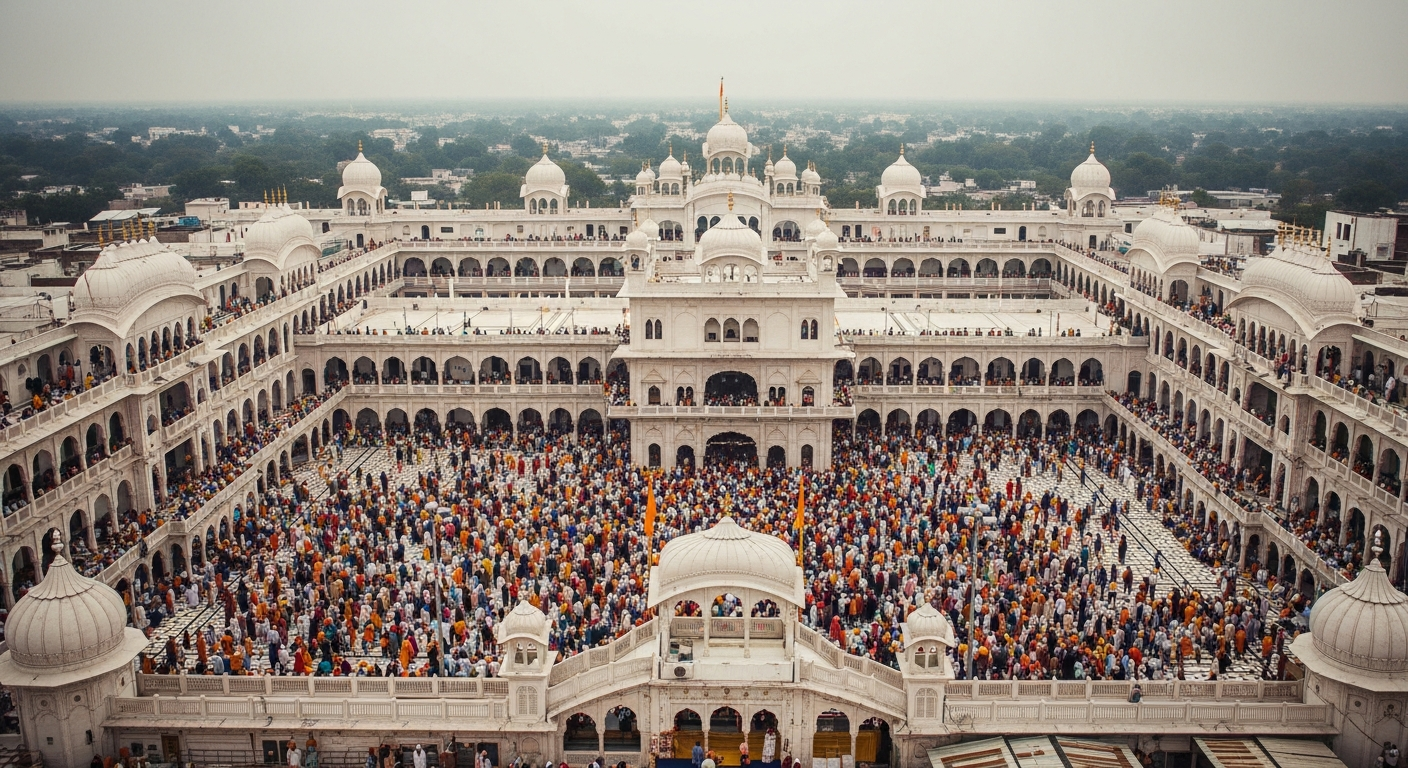
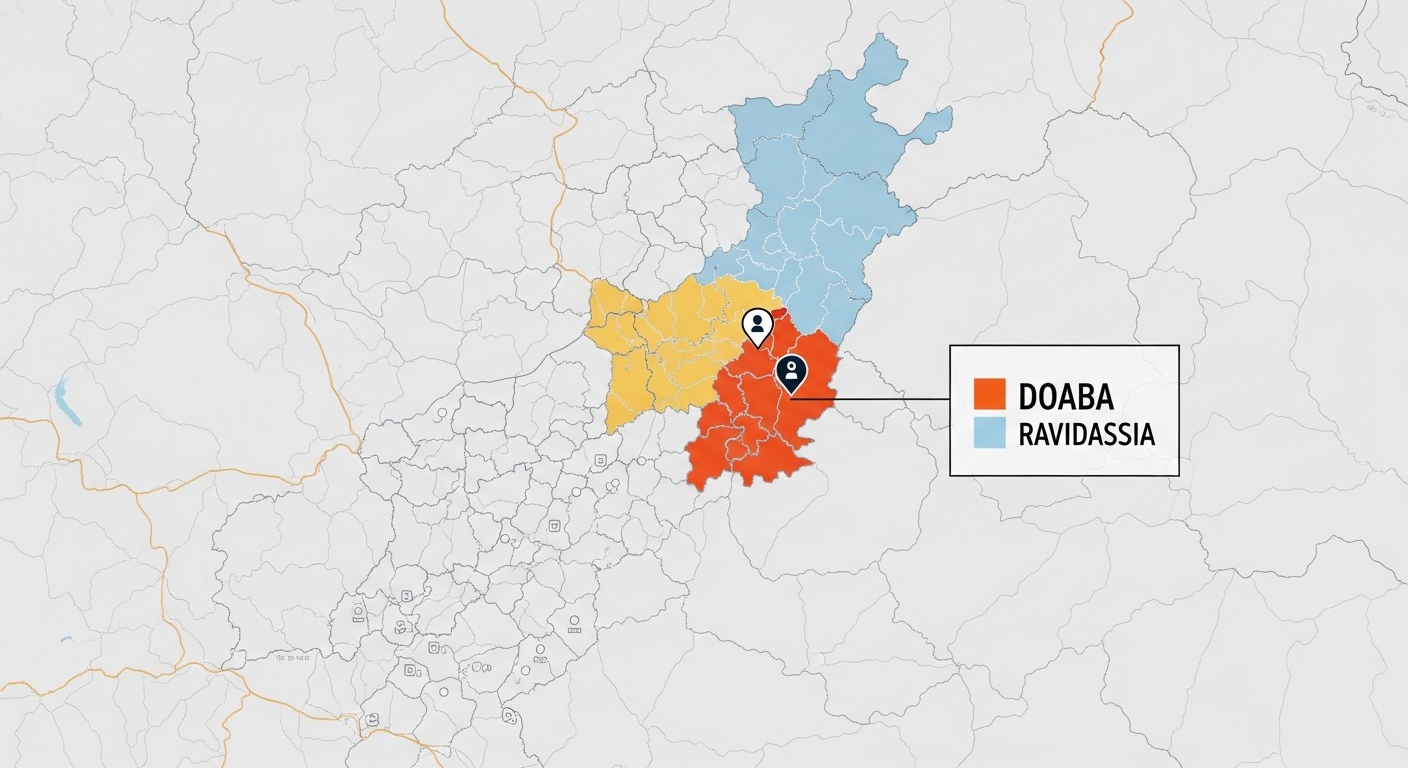
Punjab holds India's highest proportion of Dalit population at roughly 32%. Within this crucial segment, the Ravidassia community, concentrated in the Doaba region, wields considerable influence. For years, this demographic has been a coveted prize. The BJP, traditionally reliant on an urban trading and Hindu voter base, is recalibrating its strategy. Modi's direct engagement with Dera Sachkhand Ballan, a spiritual nerve center for Ravidassias, signals intent to tap this potent electoral reservoir. It's an acknowledgment that without broadening its appeal, especially among Scheduled Caste voters, the party's ambitions for an independent presence in Punjab will remain elusive.
Symbolism and Substance: The Airport Renaming Gambit
Beyond ceremonial addresses, a concrete outcome was the anticipated announcement to rename Adampur Airport as Sri Guru Ravidas Ji Airport. This is more than an infrastructural update; it's a profound act of symbolic outreach. Fulfilling a long-standing community demand, the renaming imbues the visit with tangible substance, moving beyond rhetoric. Such gestures, while seemingly minor, resonate deeply within communities, reinforcing respect, recognition, and belonging. It's a deft move aiming to convert cultural pride into political goodwill.
Beyond Ceremonial: A BJP Blueprint for Punjab
Political analysts are unanimous: Modi's presence at the dera is far more than a ceremonial nod. It signifies a strategic blueprint for the BJP in Punjab, a state where the party has historically struggled to establish a dominant independent identity. Incremental gains require dismantling old electoral equations and forging new alliances. The recent Padma Shri award to Sant Niranjan Dass, head of Dera Sachkhand Ballan, further underscores this proactive approach. It highlights the central government's deliberate acknowledgment of the dera's social and spiritual influence, fostering a narrative of mutual respect. This aims to establish a direct line of trust, bypassing traditional political intermediaries, positioning the BJP as understanding diverse community aspirations.
Undercurrents and Obstacles: The Evolving Landscape
Even amidst fanfare, undercurrents existed. Reports of bomb threat emails in Jalandhar, though hoaxes, highlighted security complexities and heightened political sensitivities. Punjab's political landscape is in flux, marked by shifting alliances, agricultural distress, and a vocal electorate. The BJP's outreach, while strategic, will face scrutiny from established regional parties vying for the Dalit vote. The success of this "Dera Diplomacy" will ultimately depend on whether symbolic gestures translate into sustained policy action and genuine community empowerment, resonating beyond the immediate electoral cycle.
Public Sentiment:
"It's about time our community received this kind of recognition," remarked Harpal Singh, a Ravidassia devotee from Jalandhar. "The airport renaming, the Prime Minister himself visiting – it feels like our voice is finally being heard."
However, not all sentiments are unequivocally positive. "While the gestures are welcome, we need to see long-term commitment, not just pre-election promises," cautioned Professor Balwinder Kaur, a political commentator from Ludhiana. "The Dalit community has seen many parties come and go. Real change means addressing economic disparities, not just symbolic acts."
A young Ravidassia entrepreneur, Priyanka Sharma, shared a nuanced view: "The visit creates a buzz, which is important. It puts our issues on the national agenda. But the BJP has a steep climb in Punjab. They need to prove they understand the daily struggles of our people, beyond spiritual centers."
Conclusion:
Prime Minister Modi's strategic pilgrimage to Dera Sachkhand Ballan is a potent demonstration of the BJP's evolving electoral calculus in Punjab. It signifies a decisive pivot towards a demographic that holds the key to the state's political future. By intertwining the solemnity of Guru Ravidas's birth anniversary with immediate post-budget political messaging, and by delivering on long-standing community demands like the airport renaming, the BJP is attempting to craft a narrative that marries cultural reverence with developmental governance. The implications for the 2027 state assembly polls are undeniable, as this visit could reshape political alignments, foster new voter loyalties, and potentially recalibrate the very fabric of Punjab's political identity. Whether this "Dera Diplomacy" translates into sustained electoral success and genuine community upliftment will be the ultimate test, but for now, it stands as a bold declaration of intent in the race for Punjab.