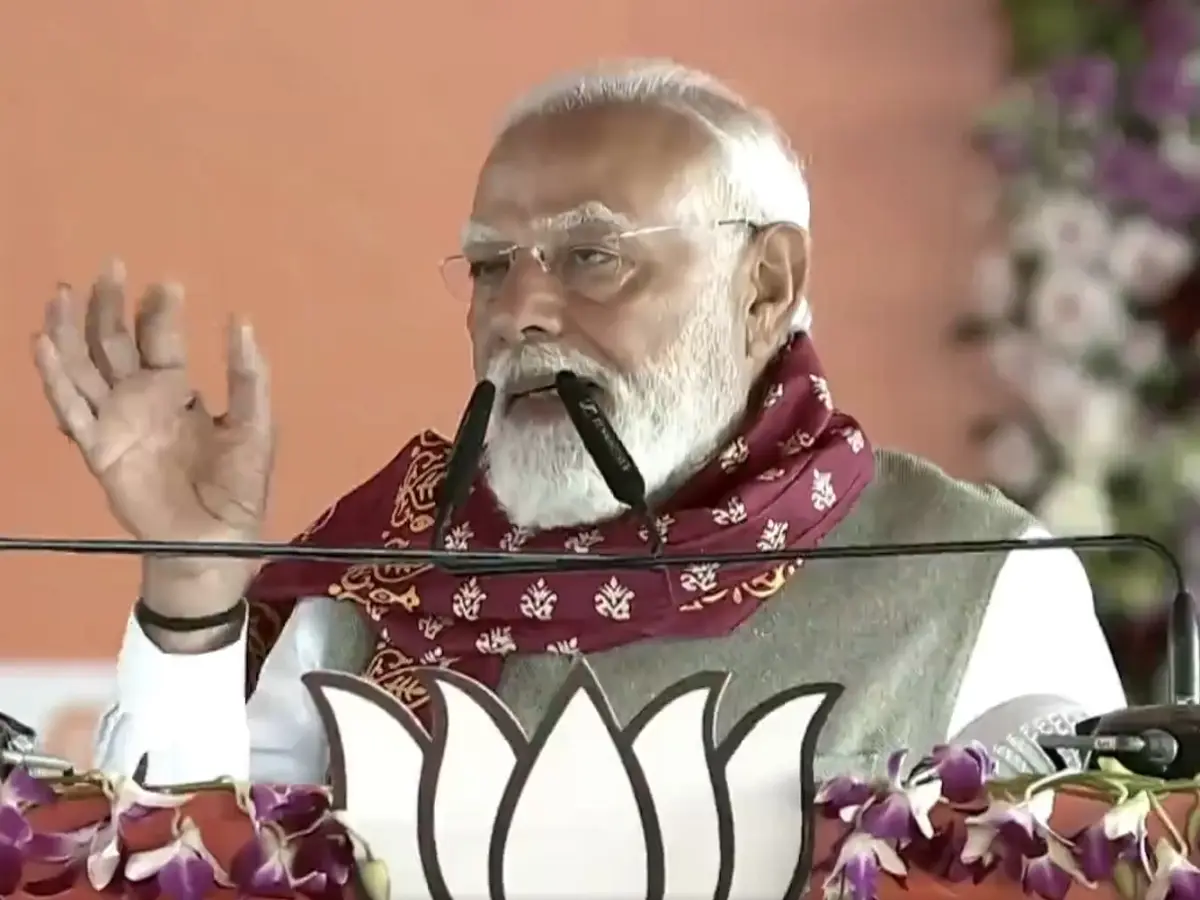
Modi Unleashes Blistering Critique on TMC: Allegations of Vote Bank Politics and Stalled Progress in Bengal
Prime Minister Narendra Modi’s recent address in Singur has laid bare a deep chasm in West Bengal’s political landscape, with the BJP leader launching an aggressive, multifaceted critique against the Mamata Banerjee-led Trinamool Congress government. Modi's accusations, spanning alleged facilitation of illegal infiltration to the stifling of central welfare schemes and jeopardizing youth prospects, paint a grim picture of governance in the state, signaling a high-stakes electoral battle focused squarely on the very future of Bengal.
Key Takeaways:
-
Border Insecurity & Vote Bank Allegations: PM Modi claims the TMC government is actively facilitating illegal infiltration from Bangladesh to cultivate a vote bank, withholding land for border fencing, and assisting intruders with fake IDs.
-
Jeopardized Youth & Education: The Prime Minister asserted that the TMC is denying Bengal's youth access to quality education and opportunities, contrasting it with the national rollout of PM SHRI schools.
-
Stalled Central Schemes: Modi alleged widespread non-cooperation from the TMC government in implementing beneficial central schemes, including Ayushman Bharat and those for fishermen, thereby depriving citizens of essential welfare.
-
Women's Safety Crisis: Citing the RG Kar and Sandeshkhalli incidents, PM Modi reiterated concerns over women's safety under TMC rule, calling for a change in governance.
-
Call for 'Asli Parivartan': The rally underscored a public demand for 'real change' and an end to 'Maha Jungle Raj,' with Modi positioning the BJP as the harbinger of development and good governance.
Main Analysis: A State at a Crossroads?
PM Modi's address was not merely an electoral speech; it was a comprehensive indictment of the TMC's administration, delivered with the sharp, unyielding tone characteristic of a high-stakes political contest. The Prime Minister meticulously detailed various points of contention, attempting to build a narrative of systemic failure and deliberate obstruction.
Border Security and Allegations of Vote Bank Politics
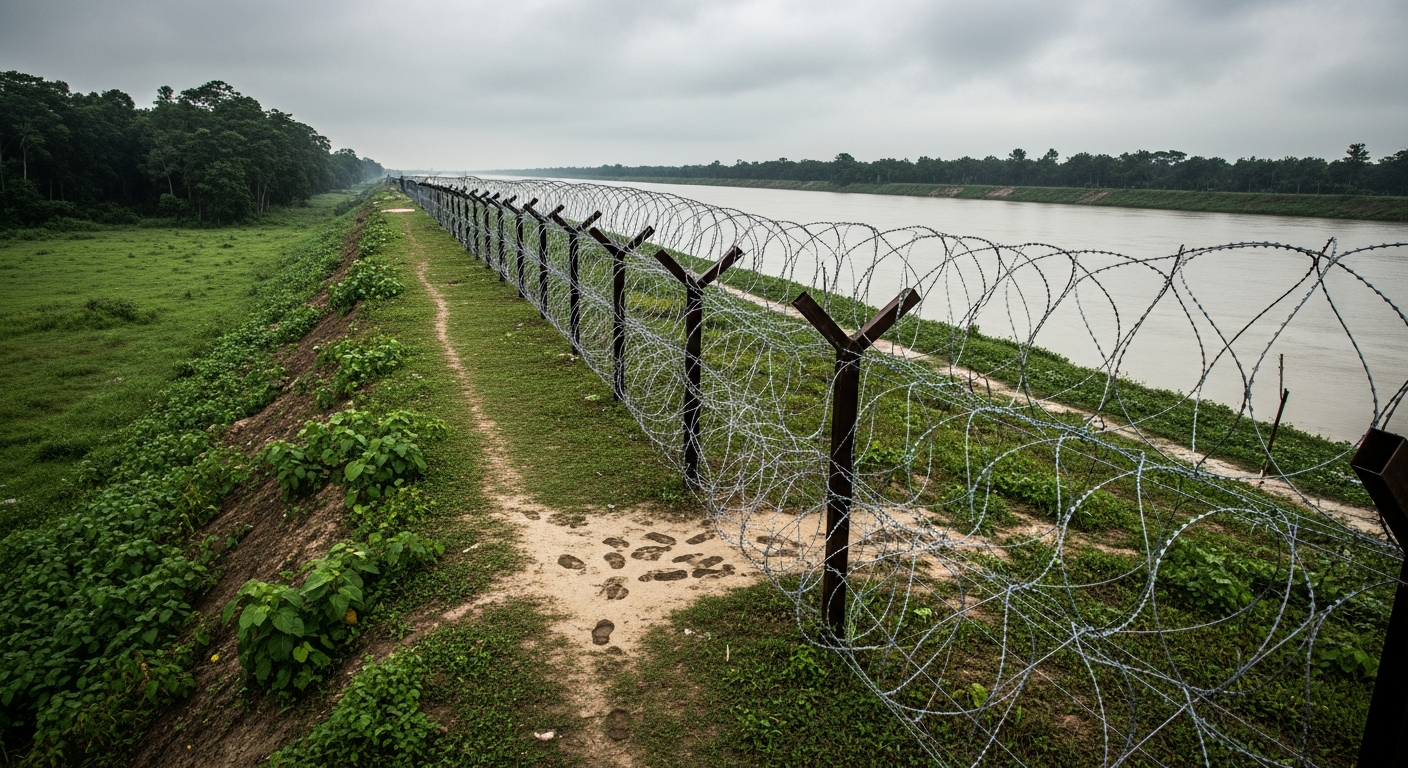
At the core of Modi's attack was the explosive accusation that the Trinamool government is actively facilitating illegal infiltration from Bangladesh. He explicitly linked this alleged policy to the TMC's ambition to expand its vote bank, even at the cost of national security. Modi highlighted the state's supposed refusal to provide land for crucial border fencing, creating critical gaps that allow unchecked entry. Furthermore, the Prime Minister alleged that the TMC has gone so far as to assist these 'intruders' in acquiring counterfeit Aadhaar and other identification cards, a claim that, if substantiated, would have profound implications for national integrity and demographic stability. This narrative frames the TMC's actions as a direct threat to India's sovereignty, placing the state government's priorities in direct opposition to national interests.
Stalled Development and Youth Opportunity
Beyond border issues, PM Modi shifted focus to the internal developmental landscape of West Bengal, painting a picture of stagnation under TMC rule. He drew a stark contrast between the nationwide implementation of modern PM SHRI schools, designed to provide quality education, and the alleged denial of similar opportunities to children in Bengal. This forms a crucial part of his argument that the TMC is 'jeopardising the future of the state's youth.'
Modi also brought attention to the plight of Bengal's fishing community, a sector with immense export potential and millions dependent on it for livelihood. He claimed that despite the Centre's efforts, such as creating a digital platform for nationwide registration and welfare schemes like the Pradhan Mantri Matsya Sampada Yojana, the TMC government's non-cooperation has effectively stalled these benefits for Bengali fishermen. This is presented as another example of the state government's apathy or deliberate obstruction, denying vital economic upliftment to its citizens.
Law and Order Concerns: Women's Safety
Recalling recent high-profile cases like the RG Kar rape and murder and the Sandeshkhalli incidents, PM Modi reiterated the BJP's consistent critique regarding women's safety in West Bengal. He asserted that women are not safe under TMC rule, a narrative that resonates deeply in a state grappling with significant law and order challenges. This point serves to amplify the call for a fundamental change in governance, positioning the BJP as the party capable of restoring order and ensuring citizen security.

Cultural Heritage and Infrastructure Initiatives
In a strategic move to contrast BJP's perceived pro-Bengal stance with TMC's alleged neglect, Modi highlighted the central government's initiatives for the state. He proudly noted Bengali being accorded classical language status and Durga Puja receiving UNESCO Intangible Cultural Heritage recognition, attributing these achievements to the BJP's tenure. Furthermore, he detailed the rapid expansion of rail connectivity, including the launch of Vande Bharat sleeper trains and multiple Amrit Bharat Express services, positioning West Bengal as a key hub for modern infrastructure development. These points are designed to showcase the Centre's commitment to Bengal's culture and progress, implicitly questioning the TMC's role in these advancements.
Public Sentiment: Aspiration for 'Real Change'
PM Modi concluded his address by asserting that the massive crowd at Singur signified a singular demand: 'asli parivartan' or 'real change,' and a clear desire to end what he termed 'Maha Jungle Raj.' Drawing parallels with Bihar, where the NDA has supposedly demonstrated a path of development and good governance, Modi suggested West Bengal is poised to follow suit. This interpretation of public sentiment underscores a palpable aspiration for a new political direction, away from the perceived governance failures of the incumbent administration. The enthusiasm, as described, reflects a strong desire for a secure and prosperous future.
Conclusion
Prime Minister Modi’s thorough and pointed critique of the Trinamool Congress government in Singur was a powerful electoral broadside. By meticulously detailing allegations of vote bank politics, stalled development, compromised security, and a breakdown in law and order, Modi sought to dismantle the TMC's claims of effective governance. The call for 'asli parivartan' and the promise of implementing key central schemes like Aayushman Bharat under a BJP administration set the stage for what promises to be a fiercely contested election, with the very trajectory of West Bengal hanging in the balance. The discourse laid out by the Prime Minister suggests that the upcoming elections will be a referendum not just on policies, but on the fundamental vision for the state's future. The 'Rusty Tablet' will continue to monitor the evolving political narrative in West Bengal closely.