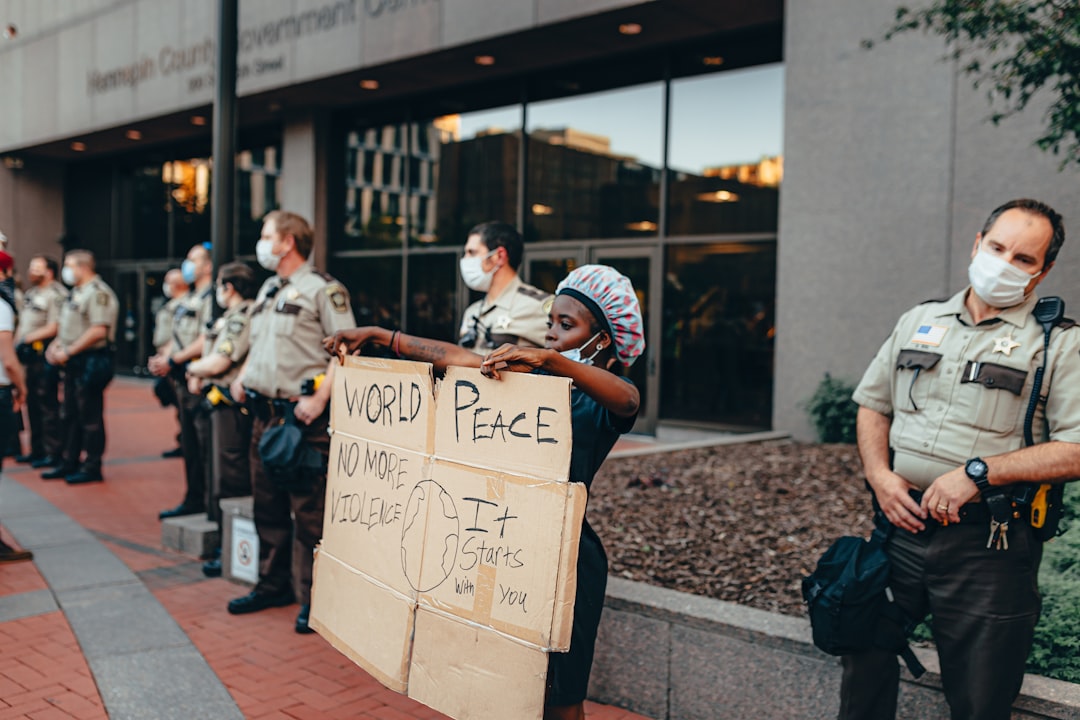
The somber echoes of a fatal confrontation in Minneapolis are reverberating through Washington, pushing prominent Republicans into a public discourse over federal authority, community safety, and the foundational right to protest. The incident, involving the shooting death of ICU nurse Alex Pretti by a federal agent, has not only sparked outrage but also exposed a significant ideological fissure within the GOP.
Key Takeaways
-
Fatal Shooting: Alex Pretti, a 37-year-old ICU nurse, was fatally shot by a federal agent during a protest in Minneapolis, triggering widespread condemnation.
-
De-escalation Calls: House Oversight Committee Chairman James Comer suggested President Trump consider pulling ICE agents from Minneapolis, citing concerns for agent safety and innocent lives.
-
Calls for Investigation: Senators Pete Ricketts and Bill Cassidy demanded a full, joint federal and state investigation, emphasizing the need to uphold federal credibility.
-
Republican Condemnation: Vermont Governor Phil Scott issued a scathing statement, denouncing the killing of American citizens by federal agents for exercising constitutional rights.
-
President Trump's Stance: President Trump acknowledged reviewing the incident, mentioned Pretti's alleged weapon, and indicated a future shift of federal presence in Minneapolis from ICE immigration enforcement to a benefits fraud probe by a different federal group.
The Minneapolis Incident: A Fatal Confrontation
Details surrounding the fatal shooting of Alex Pretti remain contested, but the immediate aftermath has been clear: a rapid escalation of political tension. Pretti, an ICU nurse, was killed by a federal agent during a protest, an event that has been quickly framed by various political figures as either an egregious overreach of federal power or a regrettable consequence of a volatile situation. The incident underscores the delicate balance federal law enforcement must maintain when operating within local communities already grappling with civil unrest.
Divisive Calls for De-escalation and Accountability
In the immediate wake of the shooting, key Republican voices offered starkly different perspectives on how to proceed. House Oversight Committee Chairman James Comer (R-Ky.) took a provocative stance, suggesting President Trump consider withdrawing ICE agents from Minneapolis. Comer framed this as a tactical move to de-escalate tensions and to pressure local leadership, stating, "If I were President Trump, I would almost think about, OK, if the mayor and the governor are going to put our ICE officials in harm's way... then maybe go to another city and let the people of Minneapolis decide, 'Do we want to continue to have all of these illegals?'" This perspective emphasizes a political leverage strategy, linking federal presence to local governance of immigration issues.
Conversely, Senators Pete Ricketts (R-Neb.) and Bill Cassidy (R-La.) focused on the imperative for transparent investigation. Cassidy unequivocally stated, "The events in Minneapolis are incredibly disturbing. The credibility of ICE and DHS are at stake. There must be a full joint federal and state investigation. We can trust the American people with the truth." Ricketts echoed this sentiment, describing the shooting as "horrifying" while affirming his support for ICE's mission, yet crucially adding, "But we must also maintain our core values as a nation, including the right to protest and assemble." Their calls highlight a concern for institutional integrity and constitutional rights, suggesting a more measured, process-oriented approach.
Republican Dissonance: Condemnation Meets Political Calculus
Perhaps the most scathing Republican criticism came from Vermont Governor Phil Scott. In a powerful statement, Scott asserted it was "not acceptable for American citizens to be killed by federal agents for exercising their God-given and constitutional rights to protest their government." He characterized federal immigration operations in Minneapolis as, "At best, a complete failure of coordination of acceptable public safety and law enforcement practices, training, and leadership. At worst, it's a deliberate federal intimidation and incitement of American citizens that's resulting in the murder of Americans. Again, enough is enough." Governor Scott's strong words suggest a deep concern for civil liberties and a condemnation of perceived federal overreach, even from within his own party.
President Trump's Measured Response and Strategic Shift
President Trump, speaking to the Wall Street Journal, adopted a somewhat more cautious tone, acknowledging, "I don't like any shooting. I don't like it." However, he quickly pivoted to mention Pretti's alleged armament, noting, "But I don't like it when somebody goes into a protest and he's got a very powerful, fully loaded gun with two magazines loaded up with bullets also. That doesn't play good either." This comment subtly shifts focus to the protester's actions, potentially framing the incident in self-defense terms for the agent involved.
Significantly, Trump also revealed a strategic shift for federal presence in Minneapolis. While immigration authorities would leave the Twin Cities "at some point," they would be replaced by "a different group" of federal law enforcement. This new contingent would be tasked with carrying out a "sweeping benefits fraud probe centered on Minneapolis' Somali diaspora." This announcement suggests a re-prioritization of federal resources, moving from direct immigration enforcement during protests to a targeted investigation, potentially mitigating some of the immediate tensions surrounding ICE's presence while still asserting federal authority in the region.
Public Sentiment: A Fractured Consensus
The range of reactions from Republican figures underscores a fractured consensus regarding federal intervention and the limits of protest. From outright calls for federal withdrawal as a political statement (Comer) to firm demands for transparent investigations protecting both federal credibility and protest rights (Ricketts, Cassidy), and ultimately to passionate condemnations of federal actions as potentially murderous intimidation (Scott), the incident has exposed the complex ideological landscape within the party. President Trump's response, blending concern with a strategic pivot, further complicates the narrative, reflecting an administration navigating high-stakes political and social unrest.
Conclusion
The fatal shooting of Alex Pretti in Minneapolis has transcended a local tragedy, becoming a flashpoint in a national debate over federal authority, immigration policy, and civil liberties. The varied and often conflicting responses from Republican leaders highlight the immense pressures on politicians to balance law and order with constitutional rights. As investigations unfold and the federal government reconfigures its presence, the incident is set to leave a lasting impact on how federal agencies interact with protesting communities and how political parties articulate their stance on these volatile issues, especially as the nation approaches future electoral cycles. The truth, as Senator Cassidy noted, will be essential for restoring faith in federal institutions.