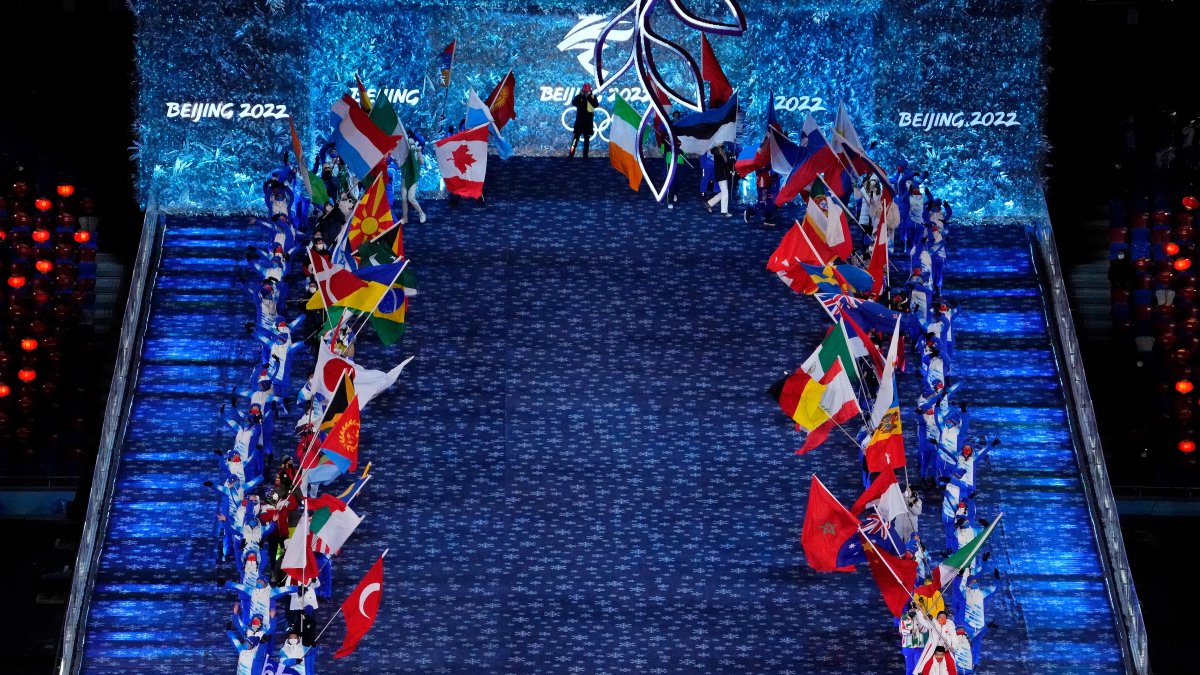
The upcoming Milan Cortina 2026 Winter Olympics are set to showcase athletic prowess from 92 National Olympic Committees, marking a dynamic shift in global representation. This edition will feature new nations making their historic debut while navigating complex geopolitical landscapes, including the participation of 'Individual Neutral Athletes,' highlighting the persistent intersection of sport and international affairs.
Key Takeaways:
-
92 National Olympic Committees (NOCs) will compete at the 2026 Milan Cortina Winter Olympics.
-
Approximately 2,900 athletes are expected to participate.
-
Benin, Guinea-Bissau, and the United Arab Emirates will make their Winter Olympics debut.
-
Seven NOCs present in Beijing 2022 will be absent: American Samoa, Belarus, Ghana, Peru, Russian Olympic Committee (ROC), Timor-Leste, and the U.S. Virgin Islands.
-
Athletes from Russia and Belarus will compete as "Individual Neutral Athletes" (AIN) due to ongoing sanctions.
-
The International Olympic Committee (IOC) recognizes 206 National Olympic Committees worldwide.
The Global Assembly: 92 Nations Converge
The 2026 Winter Olympics in Milan Cortina are poised to host a significant gathering of 92 National Olympic Committees, bringing together approximately 2,900 athletes from diverse backgrounds to compete on the world stage. This figure represents the collective determination of national sporting bodies to participate in the pinnacle of winter sports, fostering international camaraderie and competitive spirit. The robust participation underscores the widespread appeal of the Winter Games, attracting nations both traditionally strong in winter disciplines and those developing nascent programs.
Navigating Geopolitical Realities: The "Individual Neutral Athlete" Framework
A notable aspect of the Milan Cortina Games will be the participation of "Individual Neutral Athletes" (AIN) from Russia and Belarus. This designation is a direct consequence of ongoing international sanctions imposed due to Russia's involvement in the conflict in Ukraine. Athletes from these nations will compete without national symbols, flags, or anthems, under strict neutrality guidelines. This framework, while controversial for some, represents the International Olympic Committee's (IOC) attempt to balance the principle of individual athletic participation with accountability for state actions, ensuring that while national bodies face repercussions, individual athletes with no direct involvement in the conflict can still pursue their Olympic dreams under a neutral banner. It’s a delicate compromise, aiming to uphold the Olympic Charter's call for solidarity while acknowledging the severe implications of ongoing conflicts. This situation highlights the complex challenges faced by international sports federations in maintaining political neutrality while responding to global crises, a recurring theme in modern Olympic history.
New Horizons and Notable Absences: Shifting Rosters
The Milan Cortina 2026 Games will usher in a new era for three nations making their historic Winter Olympics debut: Benin, Guinea-Bissau, and the United Arab Emirates. Their participation signifies the growing global reach of winter sports and the increasing investment in developing diverse athletic talents, even in regions not traditionally associated with snow and ice. These debuts are often a source of immense national pride and represent a significant milestone in their sporting histories, inspiring new generations and demonstrating a commitment to global athletic engagement. For nations like the UAE, this also reflects a strategic ambition to diversify its sporting profile.
Conversely, seven National Olympic Committees that participated in the 2022 Beijing Olympics will not be present in Milan Cortina. These include American Samoa, Belarus (whose athletes are competing as AIN), Ghana, Peru, the Russian Olympic Committee (ROC, also due to sanctions), Timor-Leste, and the U.S. Virgin Islands. The reasons for these absences can be varied, ranging from logistical challenges, funding constraints, or lack of qualified athletes in specific cycles, to the aforementioned geopolitical sanctions affecting Russia and Belarus. For many smaller nations, especially those from warmer climates, maintaining a competitive presence in winter sports requires substantial and often prohibitive investment in training facilities, coaching expertise, and consistent international competition exposure. The absence of these nations, therefore, often reflects the significant resources and specific infrastructure required to maintain a competitive presence in winter sports, highlighting the economic disparities that can influence Olympic participation.
The Broader Olympic Ecosystem: A Global Network
The Olympic movement, governed by the IOC and various International Sport Federations, encompasses 206 National Olympic Committees worldwide. These organizations are the sole authorities responsible for recognizing NOCs for both Summer and Winter Games, ensuring a structured and unified approach to global sports governance. The ebb and flow of participating nations in each Olympic cycle reflect not only athletic development and qualification standards but also the intricate interplay of political, economic, and social factors on a global scale. The 92 NOCs heading to Milan Cortina represent a significant portion of this global network, poised to add another chapter to the rich history of the Winter Games.
Public Sentiment
Public sentiment surrounding the upcoming Winter Olympics is multifaceted, reflecting both excitement for the athletic spectacle and a keen awareness of the underlying geopolitical currents. Many observers express enthusiasm for the expansion of the Olympic family, with one online commentator noting, “It’s fantastic to see nations like UAE and Benin joining the Winter Games; it truly shows the universal spirit of sport.” This sentiment highlights a desire for inclusivity and broader representation.
However, the decision to allow “Individual Neutral Athletes” from Russia and Belarus continues to spark debate. While some argue it’s a necessary compromise to protect individual athletes from collective punishment, allowing them to compete on merit, others remain critical. A post on a sports forum read, “While I appreciate the athletes’ dedication, it’s hard to separate sport from politics when geopolitical issues directly impact participation. The AIN banner feels like a half-measure.” This reflects a broader public discussion about the IOC’s role in global governance and its stance on international conflicts, underscoring the ongoing tension between idealistic sporting principles and real-world political complexities. The overarching mood remains one of anticipation for the sporting events themselves, tempered by an acknowledgment of the intricate tapestry of international relations woven into the fabric of the Games.
Conclusion
As Milan Cortina prepares to host the 2026 Winter Olympics, the composition of participating nations offers a compelling snapshot of global dynamics. With 92 National Olympic Committees, new debutants, and the unprecedented inclusion of Individual Neutral Athletes, the Games will once again serve as a powerful, albeit sometimes complicated, platform for international exchange and athletic excellence. Beyond the pursuit of medals, the event will underscore the enduring capacity of sport to unite, challenge, and reflect the world in its vibrant, evolving complexity.