Middle East on Edge: US Bases and the Unspoken Stakes of Iran's Turmoil
The drums of conflict beat faintly, yet persistently, across the Middle East. With US President Donald Trump's recent threats of military action against Iran, a nation already grappling with crippling inflation and internal dissent, the world watches with bated breath. But beyond the immediate headlines, a more fundamental question emerges: are these military deployments truly deterrents, or do they inadvertently fan the flames?
Key Takeaways:
-
Escalating Rhetoric: US threats coincide with Iran's deep domestic economic and social instability.
-
Strategic Footprint: US military bases are strategically positioned throughout the Middle East, meant to project power and deter aggression.
-
Indian Stakes: For India, any major escalation in the region directly threatens energy security, trade routes, and expat safety.
-
The Unanswered Question: Despite significant military presence, the long-term effectiveness of such posturing in achieving lasting peace remains a subject of intense scrutiny and skepticism.
A Powder Keg Situation
The current backdrop is concerningly familiar. On one side, a US administration adopting an aggressive stance, fueled by long-standing geopolitical rivalries. On the other, Iran, a nation wrestling with its own people, who are protesting soaring costs of living and a seemingly endless economic crisis. The warnings from Washington are clear: any Iranian aggression could be met with a decisive response. But what kind of response, and at what cost? This isn't merely about political rhetoric; it's about the very real potential for a regional conflict that could spill over and destabilize global markets, hitting countries like India particularly hard.
The US Footprint: A Shield or a Spark?
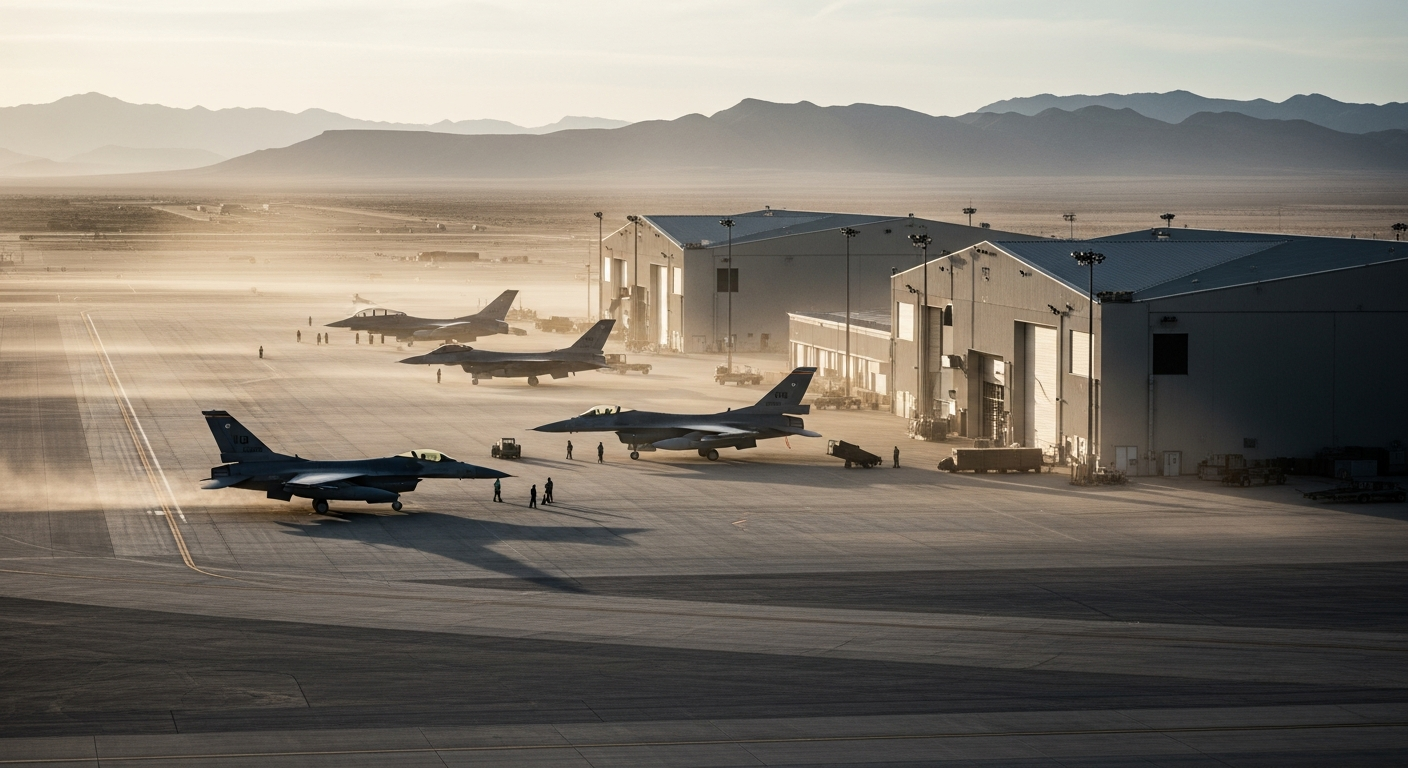
Across the Persian Gulf, from Qatar to Bahrain, Kuwait to the UAE, US military bases stand as formidable symbols of American power. These installations, hosting thousands of troops, advanced aircraft, and naval assets, are designed to protect US interests, secure vital shipping lanes (like the Strait of Hormuz), and provide a rapid response capability.
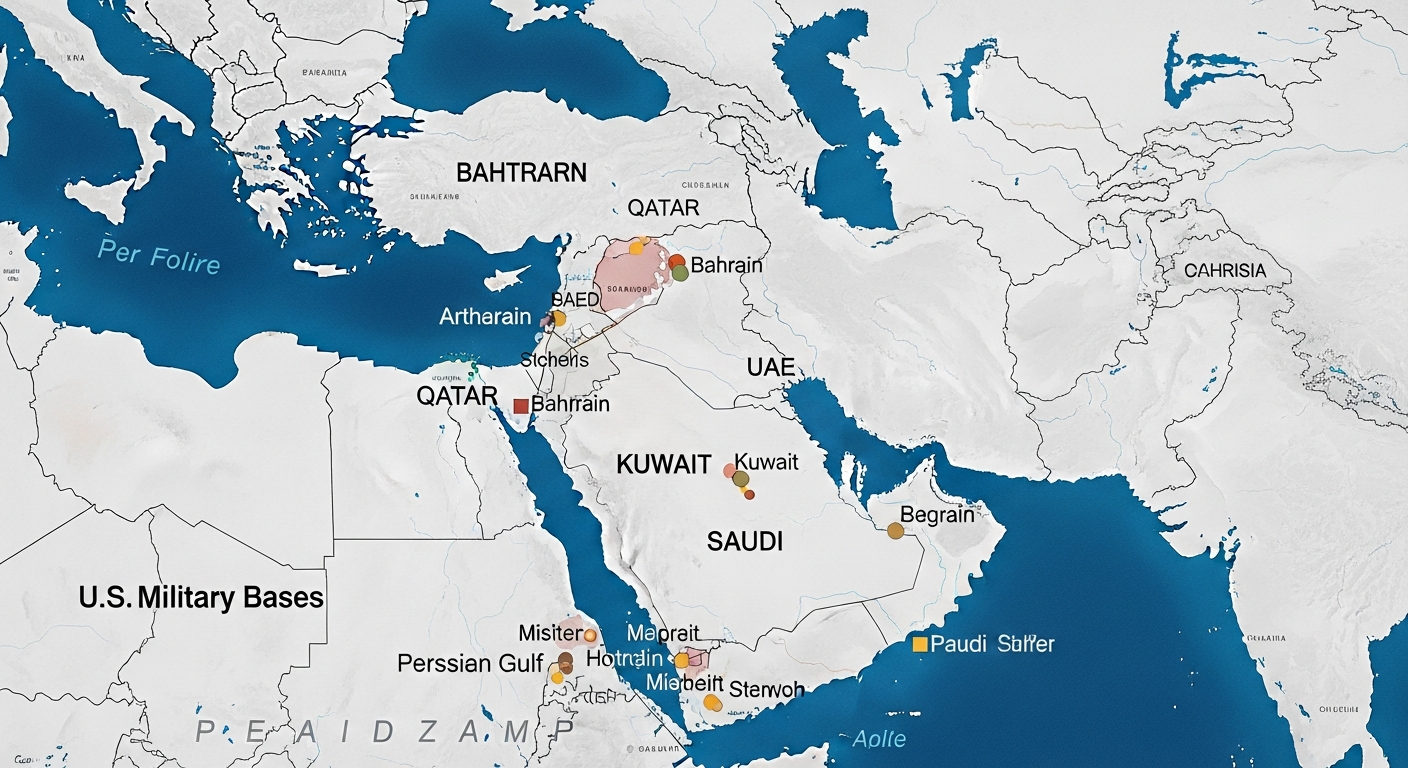
They are often presented as a shield, protecting allies and deterring hostile actors. However, to a skeptical observer, one might ask: do they also act as a spark? Their very presence can be seen as provocative, feeding into a cycle of suspicion and military build-up. The sheer concentration of military might in an already volatile region raises uncomfortable questions about accident, miscalculation, and the unintended consequences of such a powerful stance. Is the goal truly peace, or is it a readiness for conflict that, paradoxically, makes conflict more likely?
India's Delicate Dance
For India, the unfolding situation is not a distant drama but a direct concern. Our energy security is intrinsically linked to the stability of the Middle East. A significant portion of our crude oil imports transits through the Strait of Hormuz, a choke point that could be severely impacted by any military confrontation. Disruption there means higher oil prices, which then ripple through our economy, affecting everything from transport costs to the price of everyday goods. Furthermore, millions of Indian expatriates live and work in the Gulf region, and their safety and remittances are vital to our nation.
We find ourselves in a precarious position, advocating for de-escalation while simultaneously preparing for potential economic fallout. It forces us to contemplate whether a purely military approach to regional problems truly serves long-term stability or simply exacerbates underlying tensions.
Beyond the Bluster: The Unasked Questions
The "Rusty Tablet" has always encouraged readers to look past the surface, to question the narratives presented. In this instance, it's crucial to ask: what is the end goal of such military brinkmanship? Are the enormous resources poured into maintaining these bases achieving their desired effect of deterrence, or are they fueling an arms race and pushing regional powers further apart? Is there a path for diplomacy that isn't overshadowed by the threat of force? These are not easy questions, and answers are rarely straightforward, but they are essential for informed citizens to consider.
Public Sentiment
Around the world, and especially in India, the public sentiment is a mix of concern, curiosity, and a healthy dose of skepticism.
-
"It feels like we're always on the brink. Are these military shows really making us safer, or just more anxious?" – Rakesh, Chennai
-
"Higher oil prices mean my family budget shrinks. I just wish leaders would talk more and threaten less." – Priya, Mumbai
-
"You have to wonder if these bases are about protecting 'freedom' or just protecting economic interests. The line gets blurry." – Dr. Singh, Delhi
Conclusion
The situation with US-Iran tensions and the role of US military bases in the Middle East is a complex tapestry of geopolitics, economics, and human impact. As an Indian publication, we urge our readers to look beyond the immediate rhetoric and consider the deeper implications. While the US asserts its right to protect its interests, the global community, particularly nations like ours, must critically evaluate whether military posturing is the most effective path to lasting peace. Perhaps, true security lies not in the number of bases, but in the strength of diplomacy, shared understanding, and a genuine commitment to de-escalation.