The Beirut Drawdown: A Sign of Rising Stakes in the US-Iran Standoff
Key Takeaways
-
The U.S. State Department is evacuating non-essential government personnel and their families from the embassy in Beirut, Lebanon.
-
This measure is a direct response to escalating tensions between the U.S. and Iran and growing concerns over potential military conflict.
-
Despite the drawdown, the U.S. embassy in Beirut is confirmed to remain operational with essential staff.
-
The U.S. has significantly increased its military presence in the Middle East, with President Trump issuing stern warnings to Iran.
-
While diplomatic talks are scheduled, both Washington and Tehran remain sharply divided on core issues, particularly Iran's nuclear program and U.S. sanctions relief.
-
The move invokes historical echoes of past attacks on U.S. interests in Lebanon, particularly during the 1980s civil war.
Main Analysis
The Beirut Drawdown: A Precautionary Maneuver
In a move reflecting palpable concern over regional stability, the United States has initiated the withdrawal of non-essential government personnel and their eligible family members from its embassy in Beirut. A senior State Department official, speaking anonymously, characterized the action as a "prudent" step driven by a continuous assessment of the security environment. The official emphasized the temporary nature of the reduction, asserting that the embassy remains operational with core staff dedicated to maintaining critical functions and assisting U.S. citizens.
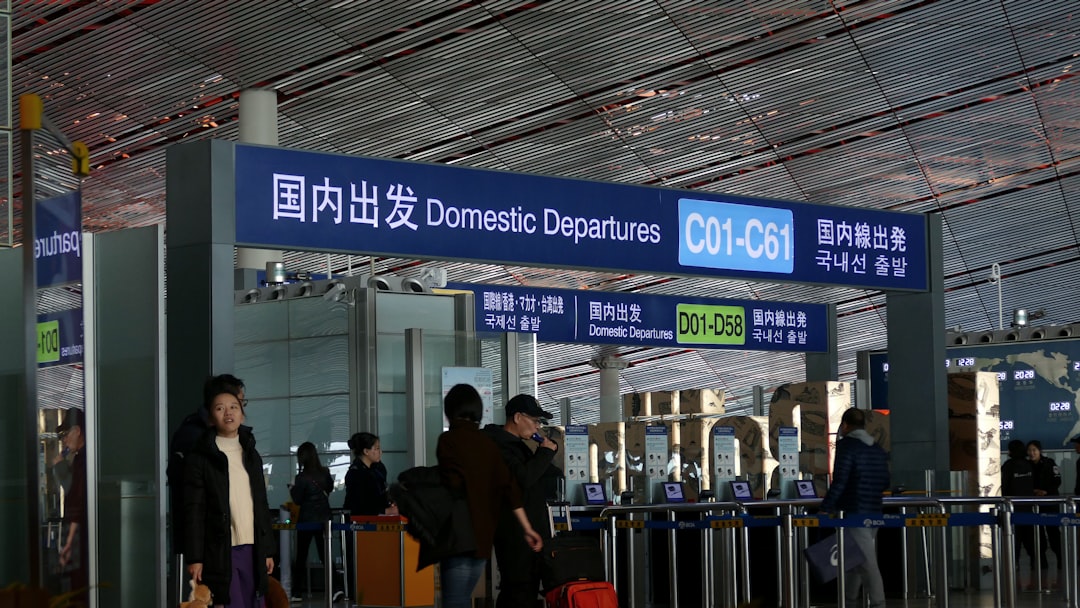
While specific figures on the evacuation vary slightly—with an embassy source citing 50 individuals and Beirut airport officials reporting 32 staff plus family members—the intent is clear: to minimize risk for personnel without entirely suspending diplomatic operations. This precautionary measure is particularly resonant given the historical context of U.S. interests being targeted in Lebanon, notably during the 1975-90 civil war. Incidents such as the 1983 suicide bombings against the U.S. Marines headquarters and the U.S. embassy in Beirut, which collectively claimed the lives of 241 servicemen and 49 embassy staff, underscore the vulnerability of diplomatic missions in a volatile region and the potential for Iran-backed groups, such as Hezbollah, to become involved.
Mounting Regional Tensions and Military Posturing
The decision to scale back the Beirut embassy's footprint is intrinsically linked to a broader climate of heightened tension between Washington and Tehran. The U.S. has significantly bolstered its military presence in the Middle East, signaling a robust stance against what it perceives as Iranian provocations. President Donald Trump issued a stark warning, stating that "really bad things will happen" if a resolution to the longstanding dispute over Iran's nuclear program is not achieved. In response, Iran has unequivocally threatened to strike U.S. bases in the region should it face any attack, underscoring the precarious escalation of rhetoric and military readiness.
These warnings are not without precedent. Last June, the region witnessed U.S. and Israeli airstrikes against military and nuclear facilities in Iran, an event that highlighted the potential for swift military action. The current build-up and mutual threats paint a picture of a region on a knife-edge, where miscalculation or an unintended incident could rapidly spiral into a broader confrontation. An internal State Department cable concerning the pullout further hinted at the gravity of the situation, directing employees in emergency positions to review alternative arrangements if they wished to depart, implying a readiness for extended periods of reduced staffing.
Diplomacy at a Crossroads
Despite the overt military posturing, diplomatic channels remain nominally open, albeit with significant hurdles. U.S. Secretary of State Marco Rubio is still scheduled to travel to Israel to meet with Prime Minister Benjamin Netanyahu, although his itinerary remains fluid. On the Iranian front, Foreign Minister Abbas Araqchi expects to meet with Trump's special envoy Steve Witkoff in Geneva, expressing a cautious optimism for a diplomatic solution. However, Reuters has reported that both sides remain "sharply divided" on fundamental issues, including the scope and sequencing of relief from crippling U.S. sanctions, which have severely impacted Iran's economy.
Adding to the diplomatic friction, Witkoff recently conveyed the U.S. President's "curiosity" as to why Iran had not yet "capitulated" and agreed to curb its nuclear program. This statement reflects Washington's firm demand for Iran to abandon its nuclear enrichment activities, which the U.S. views as a potential pathway to atomic weapons. Iran, for its part, adamantly refuses to concede, denying any intention to develop nuclear weapons. These entrenched positions, coupled with a recent Reuters report citing officials and diplomats suggesting a rapid slide toward military conflict, cast a long shadow over the efficacy of ongoing diplomatic efforts.
Historical Echoes and Hezbollah's Shadow
The U.S. State Department's decision to draw down its embassy staff in Beirut is particularly poignant given Lebanon's complex history with regional conflicts and its strategic importance as a proxy battleground. The 1980s saw repeated targeting of U.S. interests in Lebanon, with the Iran-backed Hezbollah group widely held responsible for devastating attacks. These historical precedents serve as a stark reminder of the potential for non-state actors to be drawn into broader geopolitical conflicts, and for proxy warfare to intensify amidst direct confrontations between major powers.
The presence and influence of Hezbollah in Lebanon add another layer of complexity to the current situation. Should a military conflict erupt between the U.S. and Iran, there is a significant risk that Lebanon could once again become a flashpoint, potentially drawing in other regional actors and further destabilizing an already fragile environment. The current withdrawal, therefore, is not merely a logistical exercise but a strategic calculation aimed at mitigating risks in a region where historical grievances and contemporary tensions are deeply intertwined.
Public Sentiment
Amidst the unfolding developments, the prevailing sentiments among stakeholders reflect a mix of pragmatism, frustration, and apprehension.
-
U.S. officials convey a sense of cautious pragmatism, emphasizing the temporary and precautionary nature of the embassy reduction while asserting continued operational capability.
-
However, an underlying current of frustration from Washington is evident, with questions surfacing regarding Iran's reluctance to concede on its nuclear ambitions, as highlighted by envoy Steve Witkoff's remarks.
-
From the Iranian side, a guarded optimism for diplomatic solutions persists, yet a clear resolve against bowing to external pressure remains firm, with Foreign Minister Araqchi still hopeful for talks.
-
Within regional and international diplomatic circles, there's a growing apprehension, with reports indicating a perceived rapid slide towards potential military confrontation, outweighing hopes for a quick diplomatic settlement.
Conclusion
The evacuation of non-essential U.S. personnel from Beirut is a tangible manifestation of the escalating risks associated with the U.S.-Iran standoff. While diplomatic channels remain open, fundamental disagreements persist, and the rhetoric from both sides suggests a diminishing window for a peaceful resolution. Coupled with significant military deployments and the grim historical context of regional conflicts, the situation underscores the profound instability gripping the Middle East. The coming days will be critical in determining whether diplomacy can avert a broader military confrontation or if the region is indeed bracing for an unprecedented escalation.