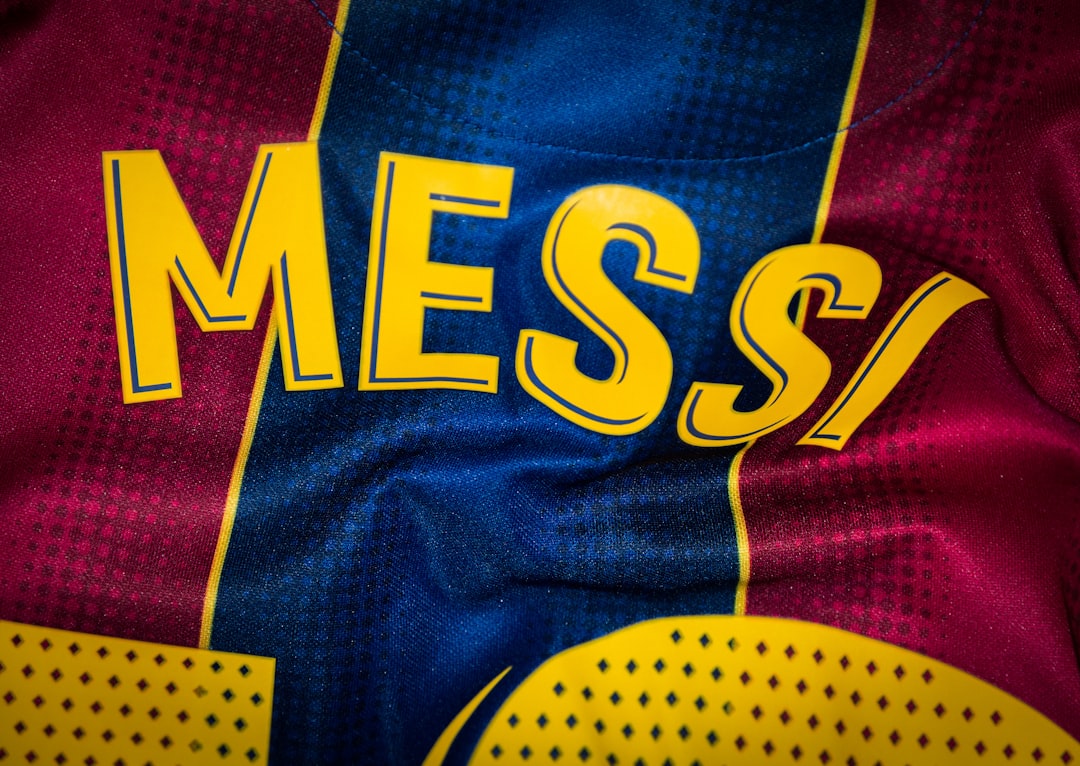
The football world is no stranger to astronomical figures, but the recent revelation from Al Ittihad president Anmar Al Haili has set a new benchmark for 'what if.' According to Al Haili, the Saudi club extended an offer of an astounding €1.4 billion per year to Lionel Messi, an amount that dwarfs virtually every other contract in sports history. Yet, in a move that has resonated globally, Messi reportedly chose to decline this staggering fortune, opting instead for a different chapter with Inter Miami in the United States.
Key Takeaways
-
Unprecedented Rejection: Lionel Messi allegedly turned down a €1.4 billion annual offer from Saudi club Al Ittihad.
-
Family Over Fortune: Messi cited family priorities and a desire for a different lifestyle as key reasons for his decision.
-
Saudi Arabia's Ambitious Vision: The offer underscores Saudi Arabia's aggressive strategy to attract top global talent and elevate its sports profile.
-
Shifting Athlete Priorities: Messi's choice sparks discussion about whether personal well-being is increasingly valued over purely financial incentives.
The Unprecedented Offer: A Game of Billions
To put €1.4 billion into perspective, it's a sum so colossal it almost defies comprehension. For context, the entire transfer fee market for the English Premier League, one of the richest football leagues globally, sits in a similar range for an entire season's worth of player acquisitions. This wasn't merely a record-breaking deal; it was a paradigm shift in financial terms, signaling an intent to not just compete but to overwhelmingly dominate the market for marquee players. Such an offer would have made Messi, already one of the highest-earning athletes ever, immeasurably wealthier, setting a financial precedent that may never be broken.

Saudi Arabia, through its Public Investment Fund (PIF), has shown a clear strategy of attracting global superstars. The arrival of Cristiano Ronaldo at Al Nassr in late 2022 was a seismic event, paving the way for further investments. Messi's potential move would have undoubtedly been the jewel in that crown, further legitimizing the Saudi Pro League on the world stage and adding immense star power.
A Choice of Values: Family First
Messi's decision, as revealed by Al Haili and corroborated by reports at the time of his transfer, was deeply personal. He reportedly prioritised his family's well-being and a lifestyle that he believed Inter Miami and Major League Soccer (MLS) could offer over the immense financial package from Saudi Arabia. For a player who has spent his entire professional life under the intense global spotlight, the appeal of a new challenge in a less scrutinised environment, coupled with the cultural and familial comforts of Miami, appears to have been overwhelming.
This choice underscores a fascinating aspect of modern sports. While financial gain remains a powerful motivator, athletes, particularly those who have already achieved immense wealth and success like Messi, are increasingly factoring in quality of life, family considerations, and even the sporting challenge itself when making career decisions. It suggests a maturity in athlete agency, where the player's personal ecosystem holds significant weight.
Saudi Arabia's Grand Vision: A Bidding War for Stardom
Saudi Arabia's aggressive push into sports is not just about individual transfers; it's part of a broader national strategy, Vision 2030, aimed at diversifying its economy, enhancing its global image, and promoting tourism. Investing heavily in sports – from Formula 1 and LIV Golf to the Saudi Pro League – serves multiple purposes: it puts the kingdom on the world map, attracts international attention, and inspires local youth engagement in sports. Messi's capture would have been a monumental victory in this ongoing campaign.
While Messi's 'no' was a setback, it hasn't deterred the kingdom's ambition. The Saudi Pro League continues to attract top European talent, albeit perhaps not at the same stratospheric salary offered to Messi. The commitment to becoming a significant player in the global sports arena remains unwavering, with deep pockets and a long-term vision.

The Broader Implications for Global Football
Messi's decision holds significant implications. For MLS, it was an enormous coup, elevating the league's profile and commercial appeal exponentially. For other players, it presents a compelling case study: is there a point where 'enough is enough' financially, and other factors become paramount? It also forces traditional European powerhouses to acknowledge the growing financial muscle of leagues in the Middle East, which are now legitimate contenders for the game's biggest stars.
This scenario paints a dynamic picture of football's future, where financial might is not the sole determinant of player movement. It highlights a tension between tradition and innovation, between established leagues and emerging powers, and ultimately, between colossal wealth and personal fulfillment.
Public Sentiment
Public reaction to Messi's choice has been largely polarized but fascinating. Many fans lauded Messi for his integrity and commitment to his family, seeing his decision as a refreshing departure from the perceived greed in modern football. Social media buzzed with comments like, "Some things money can't buy, family is everything!" and "Messi showing what truly matters." Others expressed admiration for Saudi Arabia's audacious financial power, with some remarking, "Imagine having that kind of money to throw around!" There was also considerable debate about whether any athlete could truly reject such a sum, underscoring the almost mythical nature of the offer and the decision.
Conclusion
Lionel Messi's reported rejection of Al Ittihad's €1.4 billion offer stands as one of the most remarkable non-transfers in football history. It's a tale of contrasting forces: the unyielding financial might and ambitious vision of Saudi Arabia against the personal priorities and quiet resolve of a global icon. While the kingdom will undoubtedly continue its pursuit of sporting dominance, Messi's choice serves as a powerful reminder that for some, the greatest victories aren't always measured in euros, but in moments of personal peace and familial harmony. It leaves us to ponder: what true value do we place on our personal lives amidst the allure of unprecedented wealth?