
A sprawling winter storm is currently gripping much of the United States, triggering over 8,000 flight cancellations, endangering infrastructure, and placing approximately 140 million people under various winter weather advisories from New Mexico to New England. This severe weather event threatens widespread power outages and treacherous travel conditions, demanding immediate attention to public safety and logistical disruptions.
Key Takeaways:
-
Over 8,000 commercial flights have been canceled nationwide due to the storm.
-
Approximately 140 million people across the US are under active winter storm warnings or advisories.
-
Southern New England faces extreme wind chills as low as -15°F to -20°F, posing immediate frostbite risks.
-
A broad band of heavy snow and "catastrophic ice" is forecast from East Texas to North Carolina.
-
The storm is expected to cause extensive power outages and snarl major roadways for several days.
Unprecedented Travel Disruptions Cripple Air Travel
The unfolding winter storm has led to a cascade of travel disruptions, with the airline industry bearing the brunt of its immediate impact. Data indicates that more than 8,000 flights have been preemptively canceled across the U.S. as airlines and airports brace for the onslaught of severe weather. Major transportation hubs are experiencing significant operational challenges, leaving thousands of travelers stranded and rerouting logistics across the country. The scale of these cancellations underscores the severity and breadth of the storm, which is actively disrupting the national air transport network. The anticipation of heavy snow, freezing rain, and ice has compelled carriers to ground aircraft, prioritizing passenger safety over schedule adherence.
New England Faces Extreme Cold Advisory
While the storm's precipitation impacts are widespread, specific regions are battling dangerously low temperatures. Southern New England, encompassing portions of northern Connecticut, much of Massachusetts, and both northern and southern Rhode Island, remains under a severe Cold Weather Advisory until 10 AM EST this morning. Residents in these areas are warned of "very cold wind chills as low as 15 below Much of southern New England," with actual conditions potentially feeling as low as 20 below zero.
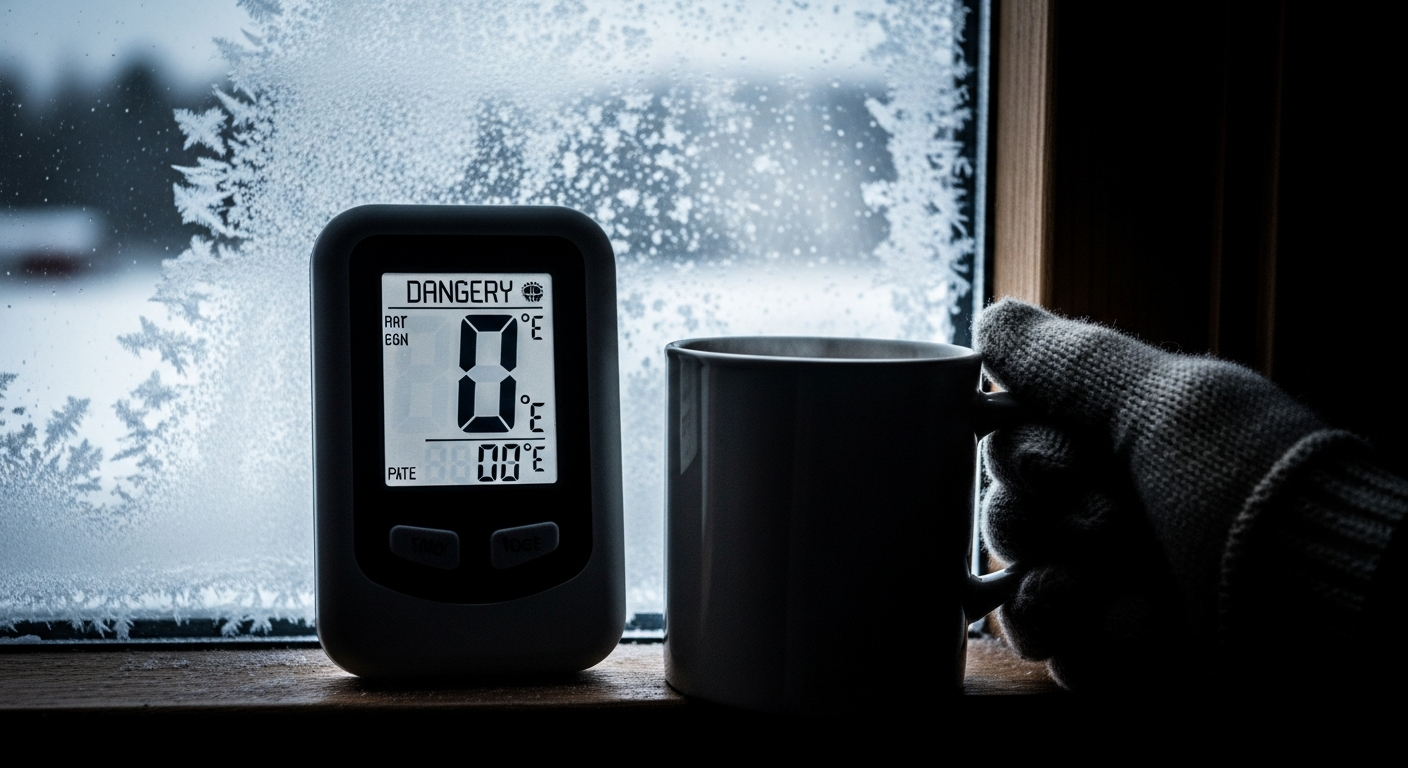
These dangerously low wind chills pose an immediate and severe health risk. The National Weather Service explicitly warns that frostbite on exposed skin could occur in as little as 30 minutes. The advisory emphasizes that frostbite and hypothermia are significant threats if unprotected skin is subjected to these extreme temperatures. Authorities are urging the public to exercise extreme caution when venturing outdoors, advocating for appropriate cold-weather attire including hats, gloves, and layered clothing to mitigate risks.
Southern and Central US Under Siege by Snow and Ice
Further south and west, the winter storm is manifesting with significant snowfall and, more critically, a widespread band of catastrophic ice. Roughly 140 million people from New Mexico across to New England are presently under some form of winter storm warning. The National Weather Service's forecast highlights a substantial threat of heavy snow across a broad swathe of the country, coupled with a particularly perilous band of ice stretching from eastern Texas all the way to North Carolina.
The leading edge of this system has already begun to deliver freezing rain and sleet to parts of Texas, while Oklahoma is experiencing snow and sleet. These conditions are not merely inconvenient; they carry the potential to knock out power for days and render major roadways impassable. The accumulation of ice, in particular, can be devastating to power infrastructure, leading to prolonged outages that impact essential services and daily life for millions. Transportation networks, including major interstates and secondary roads, are expected to become extremely hazardous, severely impacting commerce and emergency response capabilities.
Public Sentiment and Preparedness
Public response has largely been one of heightened caution and preparedness, with officials urging residents to prioritize safety. Social media channels and local news reports reflect a widespread understanding of the storm's severity, prompting many to secure provisions and modify travel plans. Local emergency services and utility companies are on high alert, preparing for potential surges in demand for assistance and power restoration efforts. The emphasis remains on staying indoors and minimizing exposure to the dangerously low temperatures and hazardous driving conditions, underscoring a collective effort to mitigate the storm's potential human toll.
Conclusion
As the expansive winter storm continues its progression across the United States, the immediate priority remains public safety and the restoration of normal operations. Communities across the affected regions are advised to remain vigilant, monitor local weather alerts, and adhere strictly to guidance from emergency services. The comprehensive impact, from widespread flight disruptions to the threat of prolonged power outages and life-threatening cold, solidifies this event as a major test of national resilience and preparedness. Continued public cooperation and adherence to safety protocols will be critical in navigating these challenging conditions until the storm subsides.