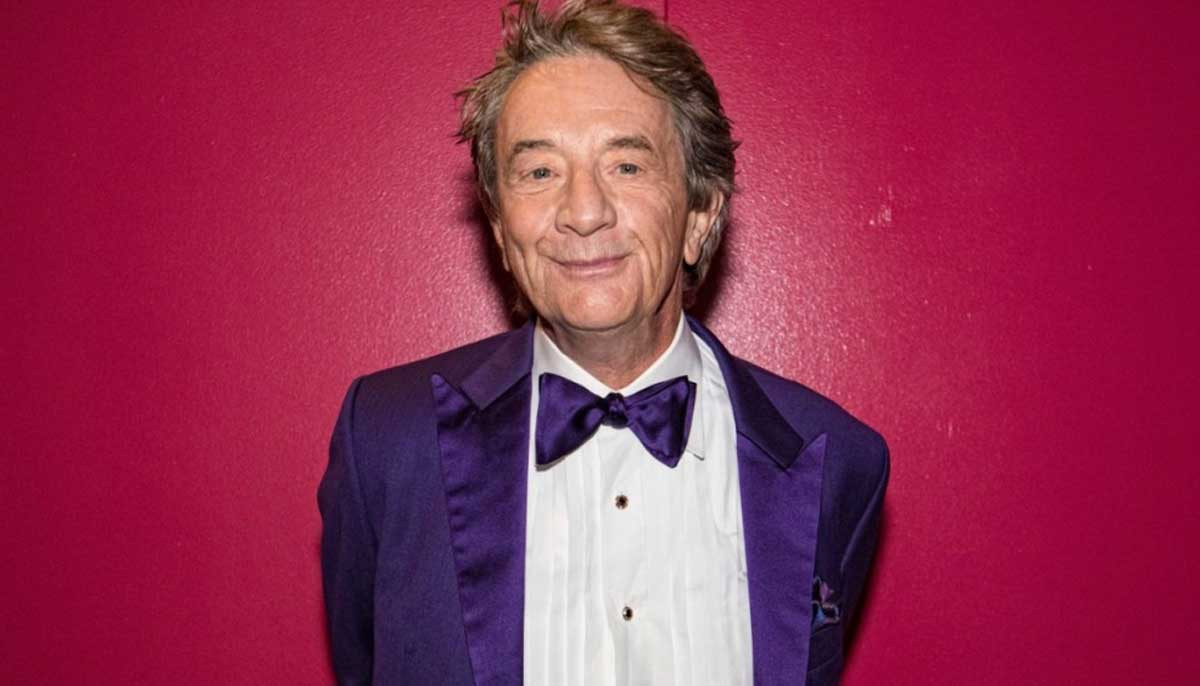
In an era where celebrity lives are meticulously curated and consumed, the sudden and devastating loss of Katherine Hartley Short, daughter of comedic icon Martin Short, rips through the veneer of public persona with a jarring force. This isn't just a news item about a postponed tour; it's a stark, painful reminder that behind every carefully crafted performance, every laugh, and every public appearance, lies a complex, vulnerable human being. Her untimely death and Short's immediate withdrawal from scheduled performances underscore a critical, often ignored, truth about fame: even the brightest stars are not immune to the darkest shadows of personal grief, and the public's response, or lack thereof, shapes our collective empathy.
Key Takeaways
-
Martin Short's daughter, Katherine Hartley Short, has passed away, leading to the immediate postponement of his upcoming comedy tour with Steve Martin.
-
This tragic event exposes the immense pressure celebrities face to maintain a public facade, even amidst profound personal suffering.
-
The entertainment industry's often rigid schedules frequently clash with the unpredictable and deeply human nature of grief.
-
The incident compels a crucial discussion on public empathy, the demand for privacy, and the boundaries of celebrity in times of personal sorrow.
-
It serves as a poignant, universal reminder of life's fragility, irrespective of an individual's public status or accomplishments.
The Unseen Toll of Stardom
Martin Short, a name synonymous with joyous, unbridled laughter, now finds himself at the epicenter of a tragedy that silences even the most boisterous of comedy halls. The announcement of his daughter Katherine's death, found unresponsive in a Hollywood Hills home on Friday, October 23, is a chilling testament to the indiscriminate nature of loss. For decades, Short has embodied an effervescent spirit, a master of character and improvisation, bringing levity to millions. Yet, this devastating personal blow shatters the illusion of celebrity immunity, revealing a man grappling with an unbearable pain, far removed from the stage lights.
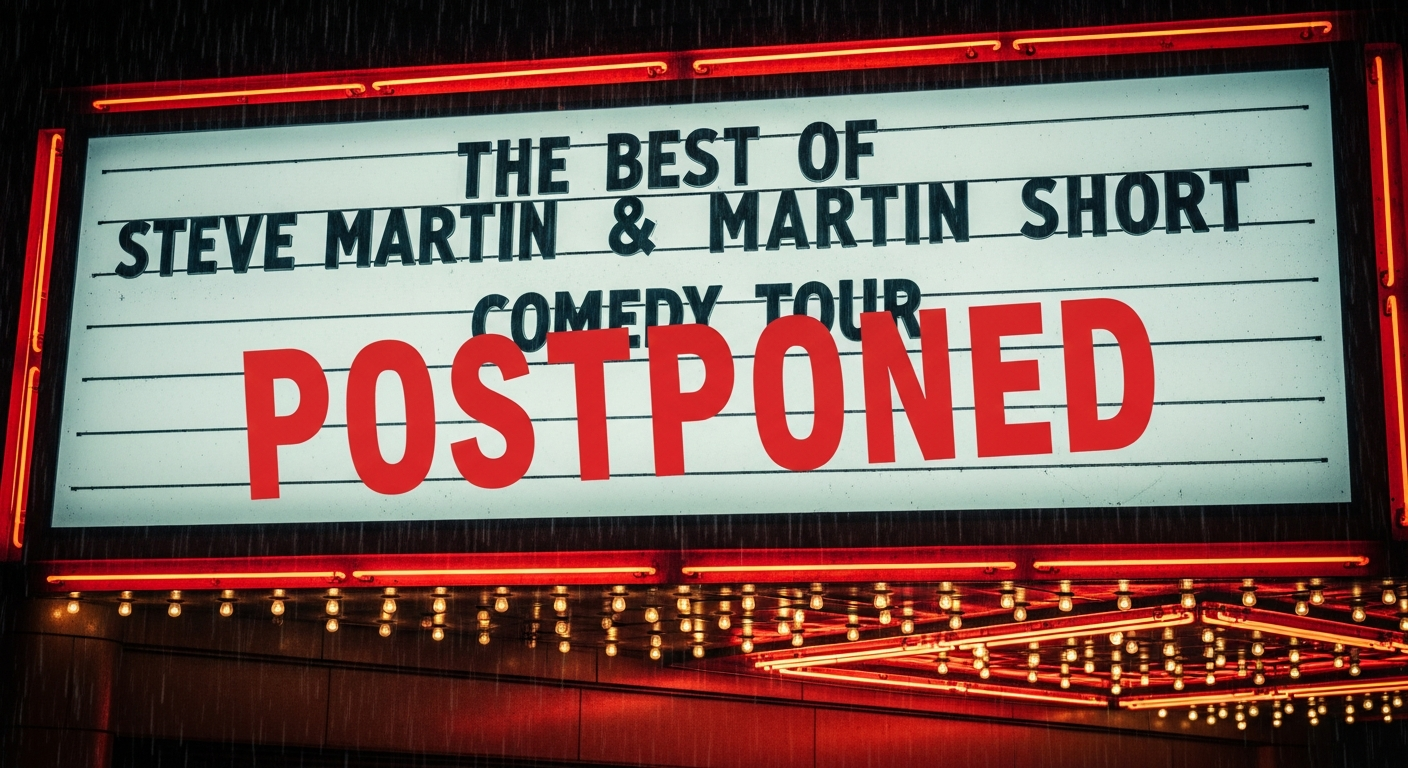
This abrupt shift from anticipated performance to profound mourning isn't merely a logistical hiccup for a tour; it's a raw, public display of a deeply private wound, forcing us to confront the human cost beneath the glittering surface of fame. The public, so accustomed to the perpetual show, is now faced with the uncomfortable truth that even their idols are fundamentally, agonizingly human.
When the Laughter Fades: Industry Expectations vs. Human Grief
The immediate decision to postpone "The Best of Steve Martin and Martin Short" shows in Milwaukee and Minneapolis, as confirmed by the Pabst Theater Group, speaks volumes. While logistical and contractual obligations typically dictate a relentless touring schedule, the gravity of Short's loss necessitated an immediate pause. This isn't a mere inconvenience for ticket holders; it's a moment when the 'show must go on' mantra rightly collapses under the weight of genuine human suffering. The entertainment industry, notorious for its demanding pace and often unforgiving nature, is here reminded that some events transcend commerce and performance. The respect shown by the postponement underscores a necessary, albeit often neglected, understanding that grief cannot be scheduled, negotiated, or performed away. It highlights a vital, evolving dialogue within the industry about supporting its talent beyond their professional output, recognizing their inherent vulnerability as individuals.
A Family's Private Anguish in the Public Eye
The Short family's statement, shared with People magazine, requests privacy – a plea that, while entirely understandable, often becomes a tenuous luxury for those in the public eye. "The Short family is devastated by this loss, and asks for privacy at this time. Katherine was beloved by all and will be remembered for the light and joy she brought into the world," they expressed.

This tension between public interest and private sorrow is a constant battle for celebrities. In a world saturated with social media and 24/7 news cycles, the boundaries between the personal and the public are increasingly blurred. While genuine expressions of sympathy are crucial, the line between compassion and intrusive curiosity is fine. For a family enduring such profound grief, the spotlight, usually a source of adulation, becomes an added burden, an unwelcome amplifier of their pain. It is incumbent upon both media and the public to respect this sacred request, allowing space for healing without undue intrusion.
Public Sentiment
Online forums and social media platforms have seen an immediate outpouring of sympathy, with many fans expressing deep sadness and respect for Short's need for privacy. Phrases like "Heartbreaking, let him grieve in peace" and "A true legend deserves all the time he needs" are common. There's a palpable sense of shared humanity, acknowledging that regardless of fame, the loss of a child is an unimaginable tragedy that transcends public persona. However, this collective empathy often coexists with an undercurrent of morbid curiosity, reminding us that even in grief, the public's gaze on celebrities remains complex and often contradictory.
Conclusion
Martin Short's unexpected withdrawal from the stage isn't just a cancellation; it's a somber declaration that even the most enduring performers are subject to life's most brutal realities. It forces us, as consumers of celebrity culture, to pause and reflect on the true meaning of empathy and the often-unspoken demands we place upon public figures. The silence from the stage where laughter was expected is a powerful, poignant reminder from Rusty Tablet that beyond the glamour and the accolades, there lies a human heart capable of profound joy and equally profound sorrow. In these moments, our collective humanity is tested, and the truest measure of our respect lies in granting the space, and the silence, for a family to mourn.