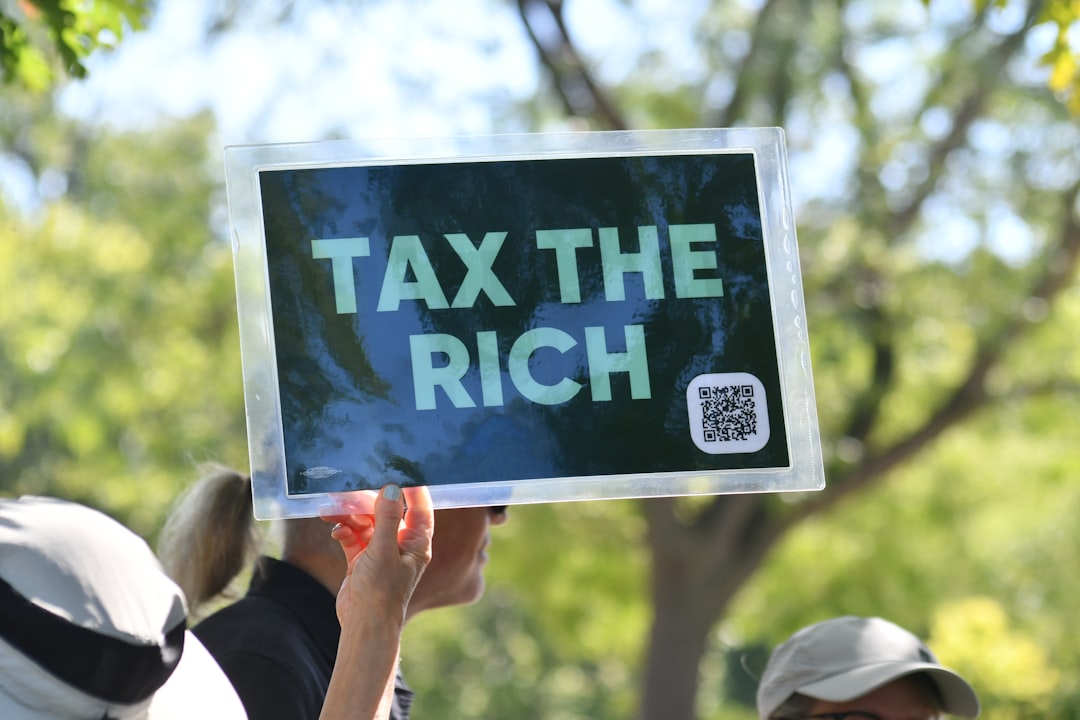
In a move that has simultaneously bewildered and incensed a nation grappling with economic inequality, an AI startup founder has declared his intention to orchestrate a 'March for Billionaires' in protest of California’s proposed wealth tax. The organizer insists, with a straight face, that this is 'not a joke' – a statement that only amplifies the profound disconnect many perceive at the heart of this peculiar demonstration.
While the concept itself verges on performance art, its implications are anything but trivial. This 'march' represents a significant flashpoint in the ongoing, often acrimonious, debate surrounding wealth redistribution, the responsibilities of the affluent, and the increasingly visible fault lines within American capitalism.
Key Takeaways:
-
Optics Catastrophe: The protest, regardless of its underlying intentions, faces an immediate and overwhelming public relations challenge, appearing tone-deaf to widespread economic hardship.
-
Underlying Grievance: It underscores a genuine, if often maligned, sentiment among some ultra-high-net-worth individuals that they are unfairly targeted by progressive tax policies.
-
Policy Debate Intensifies: The event will likely energize both proponents and opponents of wealth taxes, pushing the contentious issue further into public discourse.
-
Shifting Social Contract: It highlights a fundamental disagreement about the social contract between the wealthy and society, particularly regarding contributions to public welfare.
The Genesis of Discontent: A Silicon Valley Perspective
California, a state synonymous with innovation and immense wealth generation, particularly in the tech sector, has also become a battleground for progressive economic policies. The proposed wealth tax, which aims to levy a small percentage on assets exceeding a certain threshold, is designed to address the state's significant budgetary needs and perceived wealth imbalances. From the perspective of its proponents, it's a logical step towards fiscal equity.
For those targeted by such taxes, however, the narrative shifts dramatically. Many high-net-worth individuals, particularly founders and investors whose wealth is often tied up in illiquid assets like company stock, view such proposals as punitive, an attack on success, and a disincentive for entrepreneurship. They argue that they already contribute significantly through income, property, and capital gains taxes, and that further taxation on unrealized gains or total net worth constitutes an unfair double-dip or an expropriation of legitimately earned assets. This is the wellspring of the 'March for Billionaires,' a deeply felt, if poorly articulated, sense of victimhood among a segment of the hyper-rich.
The Optics Problem: A PR Disaster in the Making
Regardless of the intellectual merit of arguments against wealth taxes, the 'March for Billionaires' struggles immensely with its public presentation. In an era where headlines frequently highlight rising living costs, stagnant wages for many, and increasing homelessness, a protest by individuals of extreme wealth against a tax designed to tap into that wealth appears, to many, profoundly out of touch. The visual of billionaires marching—whether metaphorically or literally—to demand less taxation evokes images of Marie Antoinette's infamous counsel, rather than legitimate advocacy.
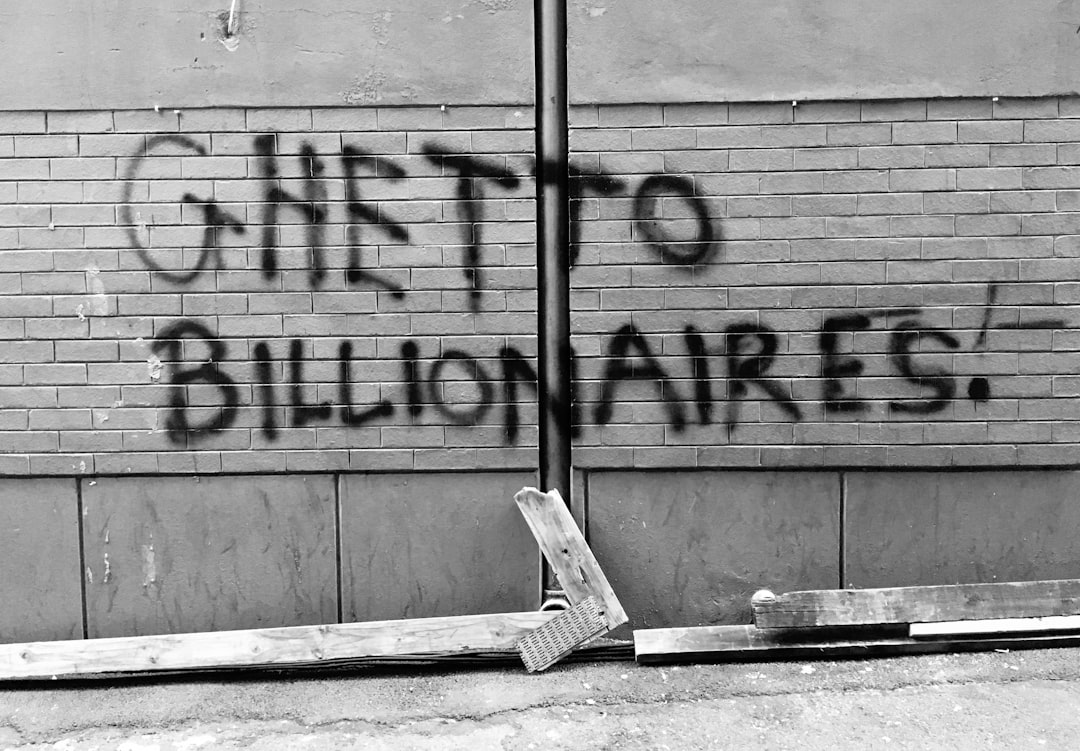
This isn't merely about 'class warfare' rhetoric; it's about the inherent asymmetry of privilege. When the average citizen struggles with medical bills or housing affordability, a protest by those whose net worth could solve countless societal problems is likely to be met not with sympathy, but with exasperated derision. The organizer's insistence that it's 'not a joke' only amplifies the perceived absurdity, suggesting a lack of self-awareness that verges on the profound. It frames the debate in stark terms: the haves versus the have-nots, with the 'haves' seemingly demanding more consideration for their 'burdens'.
Economic Realities and Rhetoric: Deconstructing the Wealth Tax Debate
The economic arguments around wealth taxes are complex. Proponents point to successful models in other countries (albeit with mixed results) and the potential for significant revenue generation to fund critical public services. They argue that wealth concentration poses systemic risks and that the wealthy have benefited disproportionately from economic policies and societal infrastructure, making a wealth tax a form of fair recompense.
Opponents raise valid concerns about capital flight, the practical difficulties of valuing illiquid assets annually, potential constitutional challenges, and the risk of deterring investment. They often argue that such taxes disincentivize job creation and economic growth. However, these nuanced economic arguments often get lost when presented through the lens of a 'Billionaire's March.' The public's immediate emotional response often overshadows the intricate policy debate, simplifying it into a moral question of fairness.
The Broader Political Landscape: A Symptom, Not a Cure
The 'March for Billionaires' is more than just a peculiar protest; it is a symptom of a deeper fissure in the American socio-political landscape. It reflects a growing frustration among some of the wealthy who feel demonized, even as it simultaneously crystallizes public anger over perceived greed and inequality. It underscores the broader challenge facing policymakers: how to fund public goods and services in an increasingly wealth-concentrated economy, without triggering capital exodus or stifling innovation.
This event, whether it garners a crowd of dozens or thousands, will inevitably be weaponized by both sides of the political spectrum. For progressives, it will beExhibit A of elite entitlement. For conservatives, it will be a rallying cry against what they term 'socialist' overreach. The noise generated by this protest will likely drown out more substantive discussions on fiscal policy, further polarizing an already fractured electorate.
Public Sentiment: A Chorus of Disbelief and Outrage
Across social media and public forums, reactions to the 'March for Billionaires' have been overwhelmingly negative, often laced with incredulity and sharp wit. The sentiment can be synthesized into a few key themes:
-
"Are they serious? People are struggling to afford groceries and rent, and billionaires are marching against paying a tiny fraction more? It's insulting." – Maria P., San Francisco
-
"This just proves what we've been saying. They'll never have enough. A wealth tax is precisely what's needed when they're this out of touch." – David K., Oakland
-
"I actually understand the argument against wealth taxes on principle, but calling it a 'March for Billionaires' is possibly the worst branding decision of the century. It instantly loses any sympathy." – Sarah L., Tech Analyst
-
"It’s not a joke? No, it's a tragedy. A tragic display of privilege." – Anonymous Online Commenter
The overwhelming consensus appears to be one of disbelief, tinged with a deep-seated frustration regarding the perceived priorities of the ultra-rich.
Conclusion
The 'March for Billionaires' is poised to be a monument to misplaced priorities and an unintended masterclass in public relations blunders. While the genuine grievances of those targeted by wealth taxes deserve rational consideration in policy debates, framing such concerns as a 'march for billionaires' against a backdrop of widespread economic precarity is akin to bringing a gold-plated spoon to a knife fight. It doesn't win hearts or minds; it solidifies existing resentments and further entrenches the battle lines in a crucial economic discourse. For California, and indeed for the nation, this protest will serve as a stark reminder of the volatile intersection between wealth, policy, and public perception.