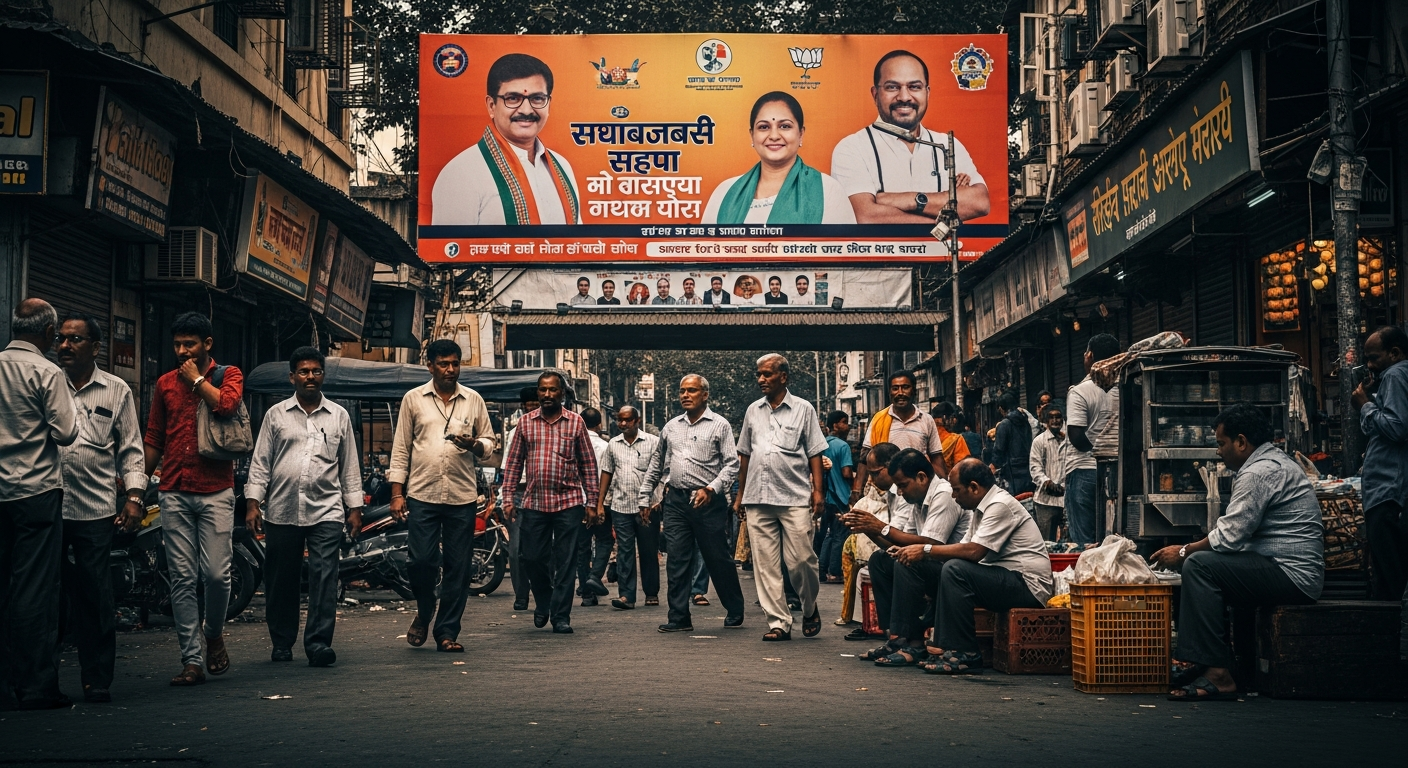
The political theatre in Maharashtra is heating up, with the ruling Mahayuti alliance releasing its much-anticipated manifesto for the Brihanmumbai Municipal Corporation (BMC) elections. The document, ambitious in its scope, promises a slew of benefits ranging from interest-free loans for women entrepreneurs to guaranteed housing for BMC sanitation workers. On the surface, these pledges appear to address critical socio-economic disparities within the bustling metropolis. However, for a seasoned observer of Indian politics, the timing and tenor of these declarations necessitate a deeper, more critical examination.
Key Takeaways
-
Populist Pledges: The manifesto features highly attractive, broad-stroke promises like interest-free loans and free housing, indicative of classic pre-election populism.
-
Fiscal Feasibility: Little detail has been provided on the financial mechanisms to fund these large-scale initiatives, raising concerns about their practical implementation.
-
Timing is Everything: The manifesto's release coincides with long-delayed BMC elections, prompting questions about its strategic intent rather than long-term policy vision.
-
Track Record Scrutiny: Voters are left to weigh these new promises against the performance and unfulfilled commitments of previous administrations involving current alliance partners.
-
Political Calculus: The promises appear strategically targeted at key voter demographics, potentially prioritizing electoral gains over sustainable urban planning.
Main Analysis
Promises vs. Pragmatism: The Fiscal Reality
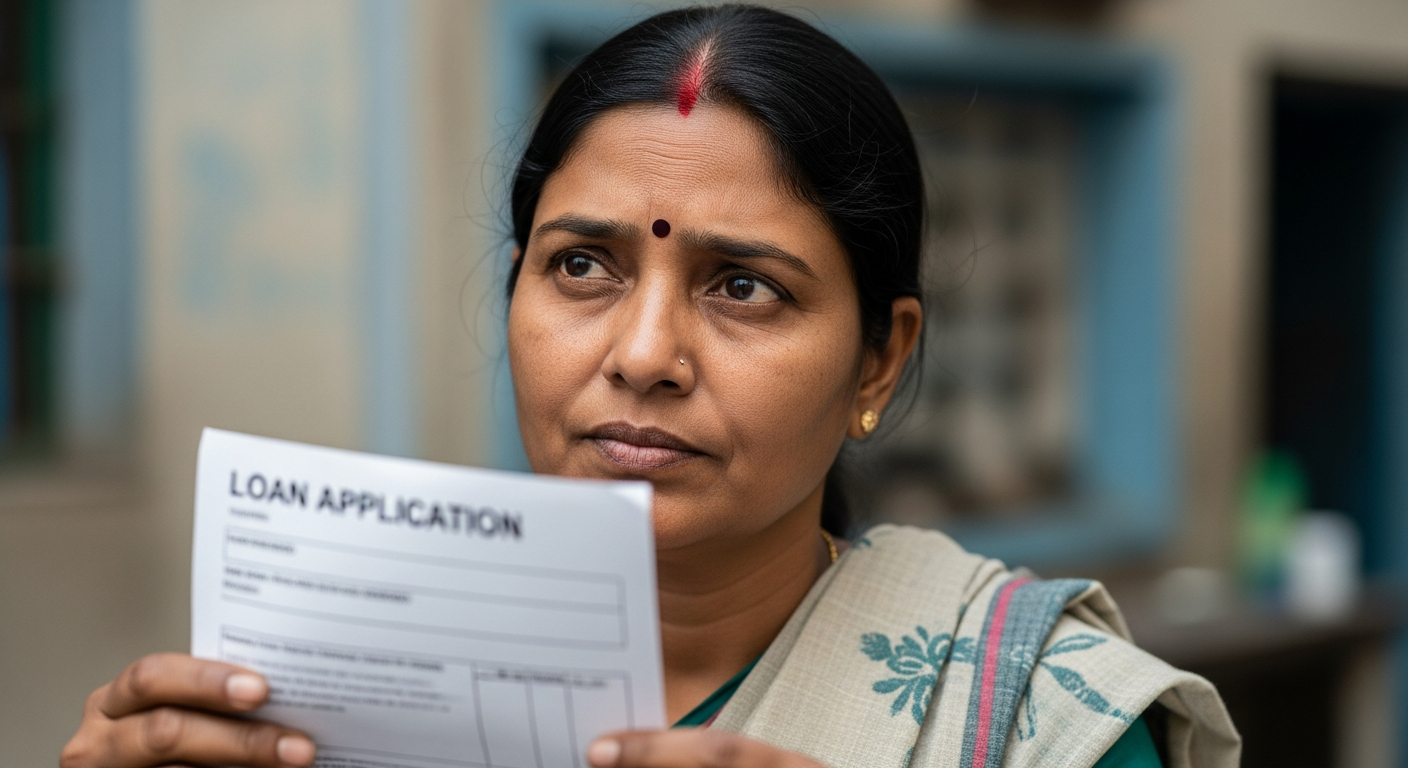
The Mahayuti's promise of 'interest-free loans for women' is undoubtedly a powerful lure in an economy still grappling with post-pandemic challenges. Similarly, the pledge to provide homes for BMC cleaners touches upon a deeply ingrained issue of dignified living for essential service providers. Yet, the manifesto remains conspicuously silent on the 'how'. Such large-scale, welfare-oriented schemes demand robust financial planning, clear budgetary allocations, and transparent implementation frameworks. Mumbai's municipal budget, though significant, operates under tight constraints. Without a detailed roadmap outlining funding sources, eligibility criteria beyond broad categories, and an implementation timeline, these promises risk becoming mere rhetorical flourishes designed to sway public opinion rather than concrete policy commitments. The absence of such granular detail often signals a gap between aspiration and practical execution, leaving citizens to wonder if these are truly actionable plans or just electoral sweeteners.
Targeted Populism: A Calculated Gamble?
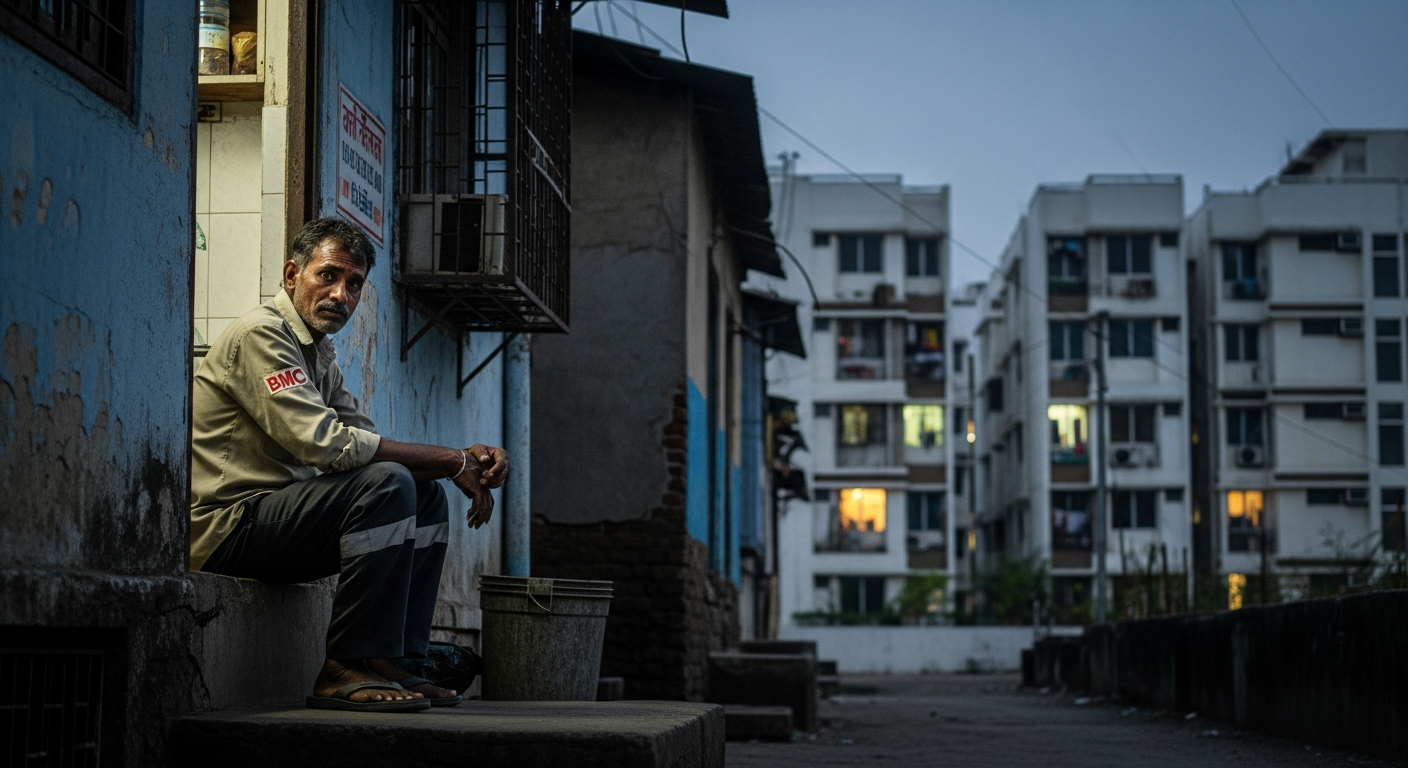
The selection of beneficiaries for these flagship promises is also noteworthy. Targeting women and BMC cleaners speaks to specific, often marginalized, yet numerically significant voter blocs. Women, who constitute a crucial voting segment, are frequently courted with economic empowerment schemes. BMC cleaners, as frontline workers, hold considerable symbolic and community influence. This strategic targeting suggests a calculated move to consolidate support among these groups, rather than a holistic approach to urban development that addresses broader systemic issues. While addressing the needs of specific communities is vital, the timing—just before a long-delayed civic election—lends itself to interpretations of short-term electoral gain superseding long-term, equitable policy planning. Is this genuine concern, or a politically astute strategy to tap into specific demographic anxieties and aspirations?
Past Performance, Future Doubts
The Mahayuti alliance, comprising parties with varied tenures in civic and state governance, faces the perennial challenge of public memory. Voters in Mumbai have witnessed numerous manifestos over the years, many of which have seen their promises evaporate post-election. Infrastructure projects facing delays, housing schemes struggling with implementation, and basic urban amenities remaining inadequate are common grievances. The credibility of these new promises hinges not just on their appeal, but on the alliance's historical track record. Without a demonstrable commitment to delivering on past pledges, the current manifesto risks being perceived as another chapter in the cyclical narrative of pre-election rhetoric. The alliance must provide a compelling argument for why these promises will be different, particularly given the magnitude of the undertakings.
The BMC Elections: More Than Just Roads and Drains
The BMC, Asia's richest municipal corporation, governs a city that is the economic powerhouse of India. The stakes of these elections extend far beyond local administration; they impact the very fabric of urban life, from infrastructure and public health to environmental sustainability and economic opportunities. A manifesto that prioritizes specific populist measures over a comprehensive, sustainable vision for Mumbai's future could be detrimental. The city requires integrated solutions to its complex challenges: affordable housing for all, not just select groups; robust public transport; climate resilience; and transparent governance. While interest-free loans and housing are important, they must be part of a larger, well-articulated strategy for urban development, not standalone promises designed to secure votes.
Public Sentiment
Across Mumbai's diverse populace, reactions are mixed, leaning towards skepticism. "Every election, new promises, same old problems," remarked one resident of Bandra. A street vendor in Dadar questioned, "Interest-free loans sound good, but will they actually reach us, or just a few? And how will they choose?" Many BMC workers expressed cautious hope mixed with resignation. "We've heard promises for homes before. We'll believe it when we see the keys," an anonymous cleaner shared, encapsulating a prevalent sentiment of 'show, don't tell'. The public demands action and accountability, not just grand announcements.
Conclusion
The Mahayuti's manifesto for the BMC elections is a carefully crafted document, designed to resonate with the aspirations of key voter segments. However, its lofty promises—particularly those concerning interest-free loans for women and housing for BMC cleaners—lack the granular detail and fiscal transparency necessary to instill full public confidence. As Mumbai approaches these long-awaited civic polls, voters are urged to look beyond the immediate allure of the pledges and demand concrete plans, demonstrable accountability, and a holistic vision for the city's future. The 'Rusty Tablet' maintains that true progress stems from sustainable policy and transparent governance, not from election-year largesse that often remains unfulfilled. The ball is now in the Mahayuti's court to prove that these are more than just promises written on water, destined to evaporate after the ballots are cast.