Key Takeaways
-
Restricted Post-Campaign Engagement: Candidates are prohibited from using microphones or engaging in large group interactions once public campaigning officially ends.
-
Limited Door-to-Door: Personal outreach is confined to small groups, capped at five individuals, for door-to-door canvassing.
-
Electronic Media Ban: The use of electronic media for outreach efforts is strictly disallowed during this period.
-
Opposition Concerns: Critics argue that these guidelines undermine the spirit of election silence, effectively allowing 'in-person' campaigning to persist under a new guise.
-
Impending Polls: The new rules will govern elections in 29 municipal corporations scheduled for Thursday.
The New Directives: A Tightrope Walk for Canvassers
The Maharashtra State Election Commission's latest directives mark a notable shift in the traditional landscape of civic poll campaigning. Designed to manage the final hours before polling day, these rules mandate a significant scaling back of candidates' public presence. Post the official culmination of the public campaign period, the vibrant rallies and loud public address systems, long synonymous with Indian elections, are to fall silent.
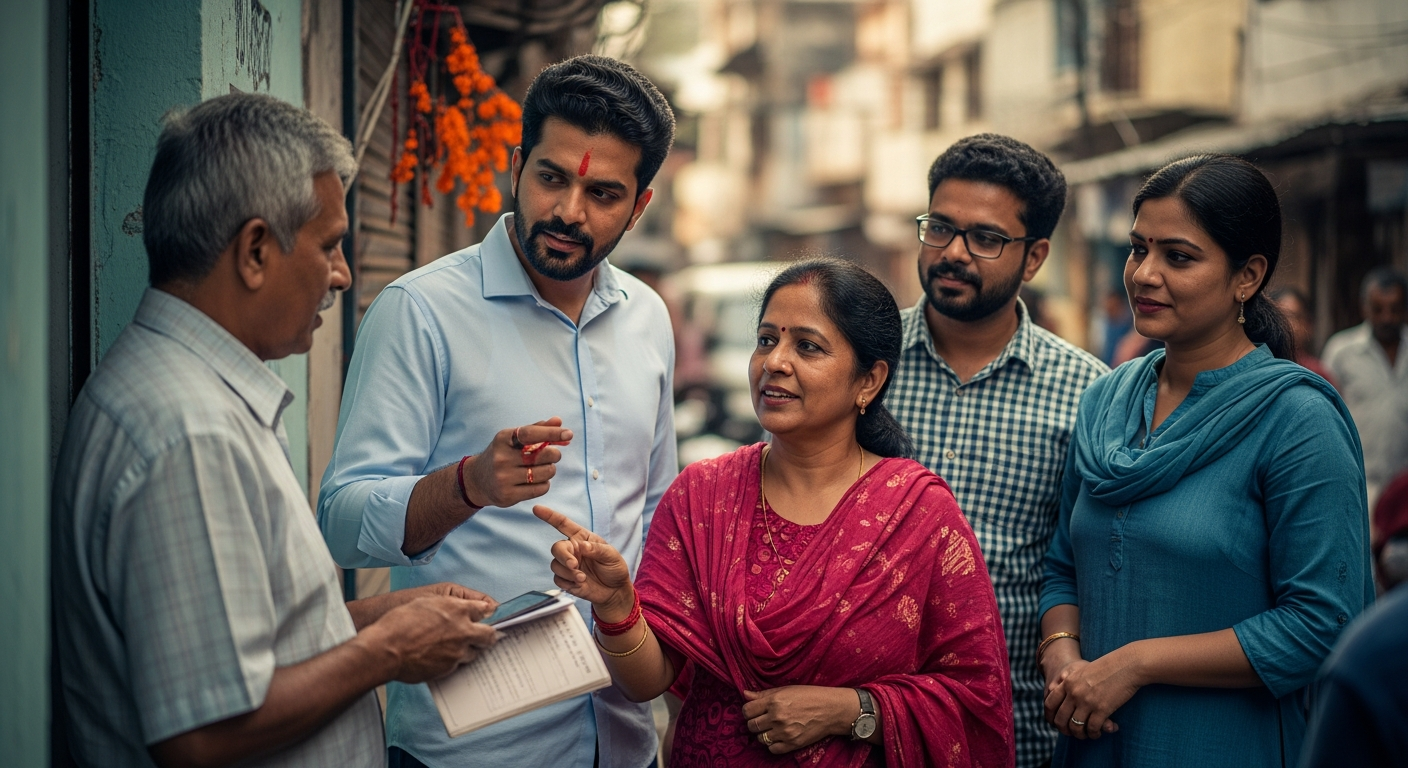
Instead, candidates are now permitted to engage with voters only through personal interaction, strictly without the aid of microphones. Furthermore, their outreach efforts are circumscribed by group size, with a stringent cap of five individuals per canvassing party. This move is ostensibly aimed at preventing last-minute mass influence and maintaining a degree of order. The SEC has also extended its prohibitory measures to electronic media, ensuring that digital tools cannot be leveraged for campaigning once the official period has elapsed. These measures collectively paint a picture of a more subdued, almost intimate, form of political outreach in the final hours.
Opposition's Critique: A Loophole, Not a Restriction?
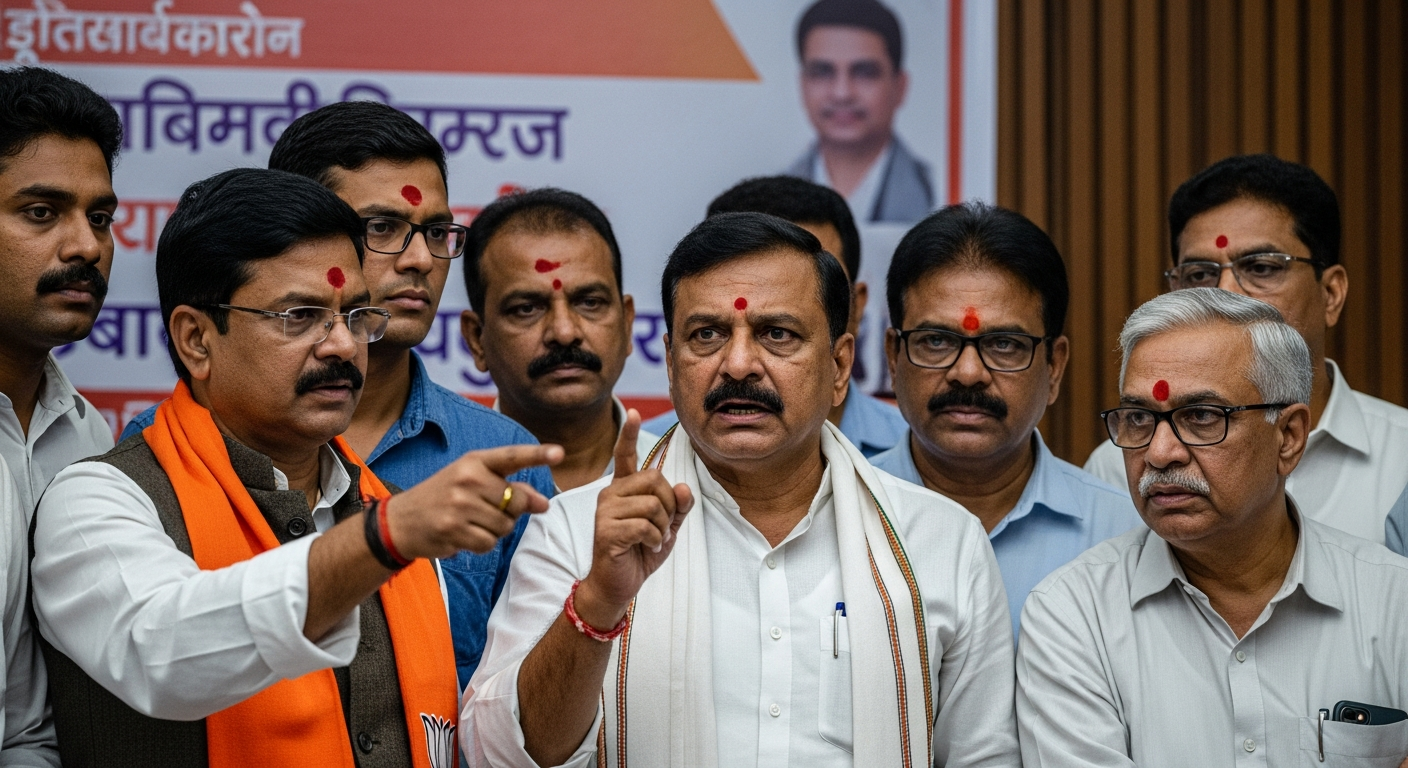
While the SEC frames these guidelines as necessary restrictions, opposition parties have vehemently challenged this narrative, articulating strong concerns that the new rules introduce a significant loophole rather than a genuine curb. Their central argument posits that allowing 'personal outreach' in small groups, even without microphones, effectively permits a continuation of in-person campaigning under a different guise, thereby circumventing the very essence of election silence.
Critics contend that this nuanced approach dilutes the impact of the formal campaign end, creating an environment ripe for 'shadow campaigning'. They argue that such targeted, small-group interactions can be difficult to monitor and regulate, potentially leading to unchecked influence and a lack of transparency. The concern is that while overt public displays of canvassing are curtailed, covert, albeit legal, efforts could persist, giving an unfair advantage or simply muddying the waters of electoral integrity.
SEC's Rationale vs. Practicalities
The SEC's motivations likely stem from a desire to curb last-minute electoral disturbances, maintain peace, and prevent the often-chaotic conclusion to campaigning. The intent might be to ensure a cooling-off period, allowing voters to reflect without overwhelming external pressures. However, the practical application of these rules presents a considerable challenge. Monitoring countless small groups engaging in door-to-door canvassing across numerous wards within 29 municipal corporations demands extensive resources and a robust enforcement mechanism.
The dichotomy between the SEC's regulatory intent and the opposition's interpretation underscores a fundamental tension in electoral governance. How much restriction is too much, and at what point does a 'restriction' become an enabling clause for subtle, unregulated activities? The efficacy and fairness of these rules will undoubtedly be tested as candidates navigate this new electoral landscape.
Public Sentiment
Among the political factions and observers, a palpable sentiment of skepticism has emerged regarding the practical enforceability and fairness of the new guidelines. Political operatives, particularly from opposition benches, voice concerns that the rules, while appearing to restrict, merely transform overt campaigning into a more clandestine, yet permitted, form of engagement. "This isn't a ban; it's a rebrand of campaigning," one unaligned political analyst noted, reflecting a common sentiment.
There's a widespread feeling that the spirit of a 'silent period' before elections—intended for voter contemplation free from direct persuasion—is being eroded. The perception is that the regulatory body, in attempting to find a middle ground, might have inadvertently created an avenue for strategic circumvention, leading to an uneven playing field and potential challenges to the integrity of the election process.
Conclusion
The Maharashtra State Election Commission's new rules for civic poll canvassing represent a significant evolution in electoral oversight, aiming to foster a more orderly environment in the crucial hours leading up to the vote. However, the strong reservations voiced by opposition parties highlight a critical debate: do these restrictions genuinely level the playing field, or do they inadvertently create grey areas susceptible to exploitation? As voters in 29 municipal corporations prepare to cast their ballots on Thursday, all eyes will be on how these 'muted mandate' rules play out on the ground, and what precedent they set for future elections in the bustling democratic landscape of Maharashtra.