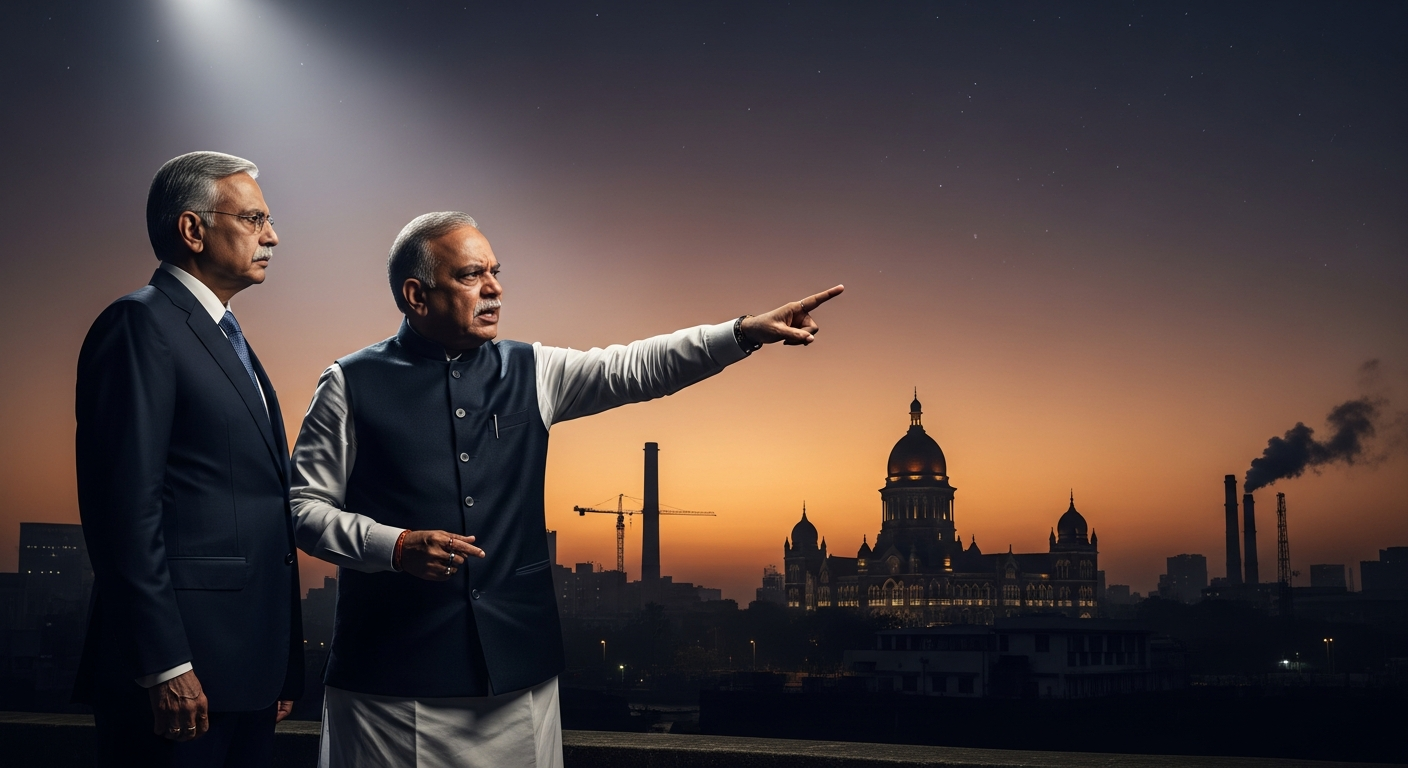
Key Takeaways:
-
Shiv Sena (UBT) intensifies regional identity politics with provocative language against BJP figures.
-
"Rasmalai" and "impotence" remarks underscore a deliberate strategy to challenge BJP's influence and cohesion.
-
BJP's perceived lack of response creates a strategic dilemma, risking accusations of weakness or complicity.
-
Such personal attacks degrade political discourse, overshadowing genuine public concerns.
Main Analysis:
The "Rasmalai" Offensive: Identity Politics on a Platter
The Shiv Sena (UBT)'s "Rasmalai" attack on BJP leader K Annamalai is a sharp, symbolic jab rooted in regional identity. While the precise context of Annamalai's "anti-Maharashtra" remarks is debated, the UBT's retort leverages cultural references and regional pride. This tactic aims to brand Annamalai as an outsider disrespecting Maharashtra, and by extension, question the BJP's commitment to local interests. It's a classic regional political move: galvanising local sentiment against a perceived external threat, positioning the UBT as Maharashtra's sole custodian.
"Impotence" Jab and BJP's Conspicuous Silence
Escalating the rhetorical war, the UBT's "impotence" jab at Maharashtra BJP leaders exemplifies deteriorating political debate. This highly personal remark is designed to provoke, questioning the state BJP leadership's strength.
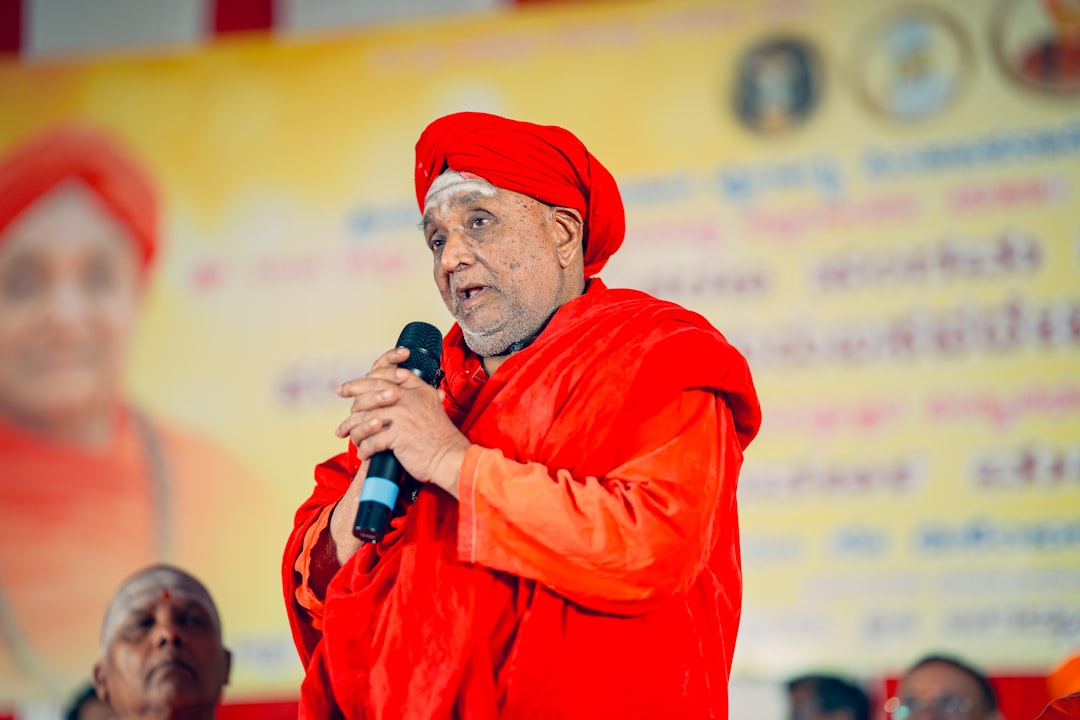
More critically, the UBT spotlights the Maharashtra BJP's failure to unequivocally condemn Annamalai's initial remarks. This perceived silence creates a strategic vulnerability, forcing the state BJP into a dilemma: defend Annamalai and risk local alienation, or condemn him and expose internal fissures. Their muted response suggests internal struggle, a calculated move, or an uncomfortable alignment.
Regionalism vs. National Ambition: A Political Chess Match
This episode highlights the tension between regional identity politics and a national party's narrative. The Shiv Sena (UBT), having lost its traditional Hindutva platform, doubles down on Marathi asmita (pride). This forces the BJP, with national ambitions and a strong Maharashtra presence, to navigate a minefield. Any misstep regarding "anti-Maharashtra" remarks could have significant electoral consequences. The UBT's strategy is clear: expose BJP's perceived hypocrisy and champion Maharashtra's honour.
Erosion of Political Decorum
Beyond immediate political tactics, the language marks a concerning trend. Terms like "Rasmalai" in a derogatory context and the outright "impotence" jab significantly degrade political discourse. Such aggressive, personal attacks distract from meaningful policy discussions, fostering a hostile, unproductive political environment. The public observes mudslinging, not substantive debate, diminishing the political process and breeding cynicism.
Public Sentiment:
"Constant bickering. They attack each other instead of discussing real problems like jobs." "Leaders need respect. 'Impotence' talk is disgusting; it shows how low politics has fallen." "BJP's silence on Annamalai is telling. Are they truly for Maharashtra, or just their national agenda?" "Regional pride is vital, but not when used for political points. We need unity, not division."
Conclusion:
The "Rasmalai" and "impotence" attacks are symptomatic of an aggressive UBT strategy aimed at cornering the BJP on regional identity. While potentially galvanising its base, this approach risks further polarisation and political incivility. For the BJP, a credible response balancing national unity with Maharashtra's interests is crucial. This contentious exchange underscores the urgent need for dignified debate and a focus on citizen-centric issues, rather than provocative rhetoric for fleeting political victories.