Laurie Spiegel's 'The Expanding Universe': A Foundational Text in Algorithmic Ambient Music
Why This Matters
In the sprawling landscape of electronic music, certain works emerge as unassailable pillars, defining genres and influencing generations. Laurie Spiegel's 1980 album, 'The Expanding Universe,' is undeniably one such monument. Decades after its initial release, this masterpiece continues to resonate with its blend of experimental synthesis, algorithmic composition, and nascent ambient soundscapes, offering a critical lens through which to understand the evolution of contemporary music. Its recent resurgence in critical appreciation underscores its enduring legacy and provides a timely reminder of its profound impact.
Key Takeaways
-
Pioneering Algorithmic Composition: Spiegel was at the forefront of using computer-generated processes to create musical structures, pushing the boundaries of what was possible with early electronic instruments.
-
Defining Early Ambient: The album served as a crucial precursor to the ambient genre, exploring immersive sound environments long before the term became mainstream.
-
Technological and Artistic Synthesis: 'The Expanding Universe' masterfully fused technological innovation with deep artistic intuition, creating sounds both futuristic and deeply human.
-
Enduring Relevance: Its complex yet accessible textures ensure its continued appeal and influence on modern electronic artists.
Main Analysis
The Genesis of a Digital Maestro
Laurie Spiegel emerged in the 1970s as a singular figure in a burgeoning field, navigating the complex interplay between emerging computer technology and musical expression. While many of her contemporaries were exploring traditional analog synthesis, Spiegel delved deeper, seeking to harness the computational power of systems like the GROOVE (Generated Real-time Output Operations on Voltage-controlled Equipment) system at Bell Labs. Her work was not merely about creating new sounds, but about devising new ways to think about and construct music itself. This foundational period laid the groundwork for 'The Expanding Universe,' an album that would articulate her vision with unparalleled clarity.

Spiegel's methodology was radical for its time. Rather than solely performing notes, she programmed rules and parameters, allowing the machines to generate musical patterns that were organic yet mathematically precise. This approach to algorithmic composition was a deliberate step towards expanding the creative possibilities beyond human limitations, introducing an element of controlled chance and evolving complexity into her compositions. It’s a testament to her foresight that these techniques, once niche, now form the bedrock of countless digital music applications and generative art forms.
Crafting 'The Expanding Universe': A Sonic Cosmology
Released in 1980, 'The Expanding Universe' is more than just a collection of tracks; it is a conceptual journey through sound. The album title itself suggests an exploration of vast, evolving sonic spaces, a theme beautifully realised through its diverse sonic palette. Spiegel's synthesis techniques, often utilising the then-cutting-edge digital synthesis capabilities, allowed her to sculpt sounds that were simultaneously ethereal and robust.
Tracks such as "Patchwork" and "A Folk Study" captivate with their intricate, bouncing arpeggios. These pieces often evoke comparisons to the propulsive energy found in rock classics like The Who's "Baba O'Riley," yet they retain a distinctly electronic, almost meditative quality. This blend of rhythmic drive and sonic purity showcases Spiegel's ability to craft engaging musical narratives from what might otherwise be considered purely abstract electronic textures.
Conversely, pieces like "Old Wave" and "East River Dawn" delve into the more ambient facets of the album. These tracks are characterised by their sustained, evolving textures, creating immersive sound environments that invite introspection. They conjure images of slowly unfolding landscapes or the quiet hum of a distant city awakening – a clear precursor to the ambient genre popularized by artists like Brian Eno, yet with Spiegel's unique, often more structurally complex, touch.
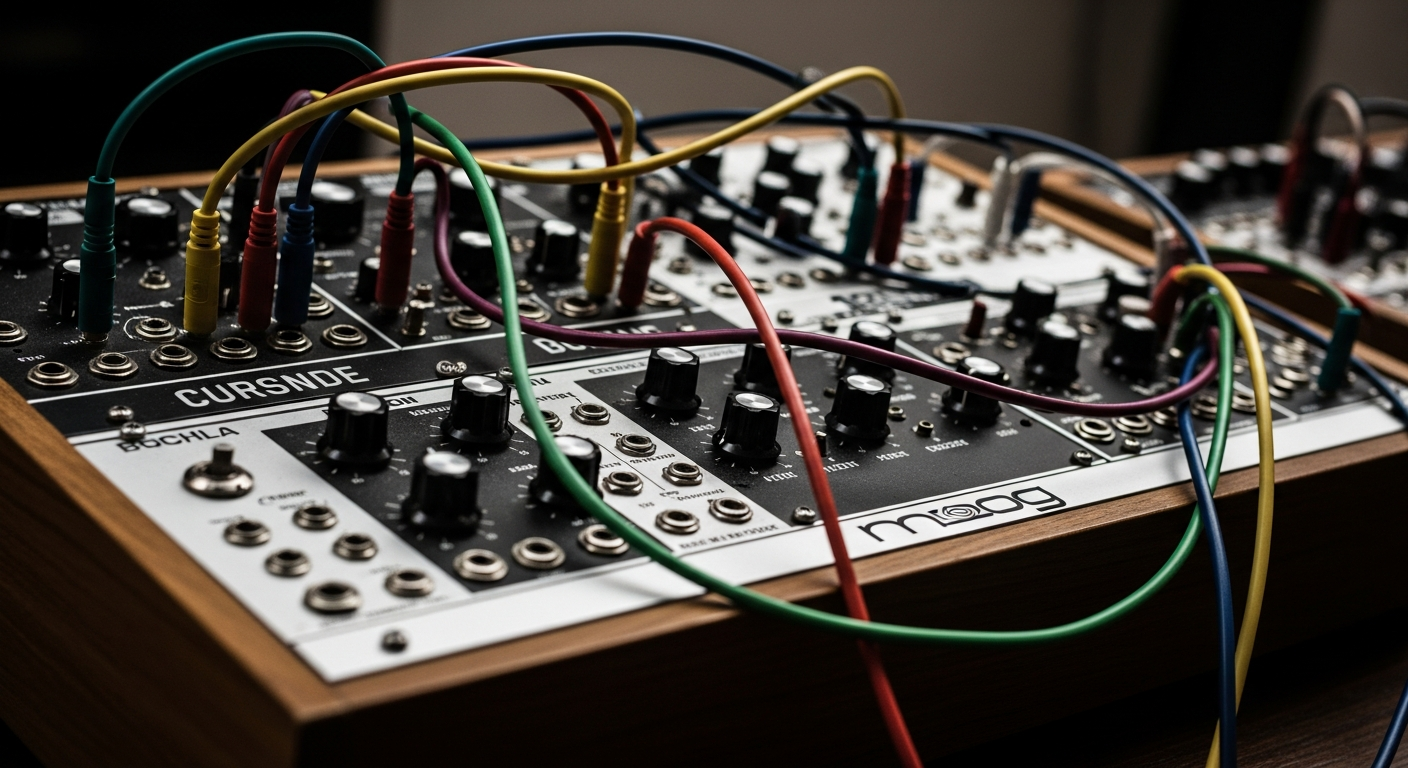
What makes 'The Expanding Universe' particularly compelling is its ability to occupy a paradoxical space: it sounds both remarkably nostalgic, evoking the aesthetics of early electronic music, and profoundly cutting-edge, hinting at digital music's future. This duality is a hallmark of truly visionary art, where the past and future momentarily converge in a timeless present.
The Algorithmic Imperative and Lasting Influence
Spiegel’s pioneering use of algorithms was not merely a technical exercise; it was a philosophical statement. By designing systems that could generate musical variations, she explored the very nature of creativity and the relationship between human intention and machine execution. This groundbreaking approach has had a ripple effect across electronic music, influencing not only generative music practices but also the design of synthesizers, sequencers, and digital audio workstations.
The album's re-evaluation in recent years by critics and new generations of listeners speaks volumes about its enduring power. It serves as a vital historical document, illustrating how experimental music in the late 20th century laid the groundwork for today's diverse electronic soundscapes, from IDM to drone ambient. Spiegel's work reminds us that innovation often lies at the intersection of rigorous technical exploration and unbridled artistic imagination.
Public Sentiment
Public and critical sentiment surrounding 'The Expanding Universe' consistently highlights its innovative spirit and timeless appeal. Many listeners express a sense of wonder at how prescient Spiegel's work was, often describing it as 'ahead of its time' or 'a hidden gem of electronic music history.' Reviewers frequently laud its unique blend of warmth and analytical precision, noting how it manages to be both intellectually stimulating and emotionally resonant. There's a widespread appreciation for its role in shaping what we now understand as ambient music, with many discovering it for the first time and immediately recognising its foundational importance. The album is often celebrated for its ability to create expansive, immersive sound worlds that remain fresh and captivating decades later, securing its status as a vital touchstone for anyone interested in electronic music's origins and future.
Conclusion
Laurie Spiegel's 'The Expanding Universe' is far more than a historical curiosity; it is a vibrant, living document of musical innovation. It stands as a powerful testament to the artistic potential unleashed when human creativity interfaces with cutting-edge technology. For students of music history, enthusiasts of electronic sound, or anyone seeking to understand the enduring power of groundbreaking art, Spiegel's masterpiece is not just something to listen to—it is a universe to explore, offering endless layers of discovery and insight into the very fabric of electronic music's past, present, and future. Its re-appreciation is not merely nostalgic; it is an affirmation of its undiminished power and enduring relevance in our rapidly evolving sonic world.