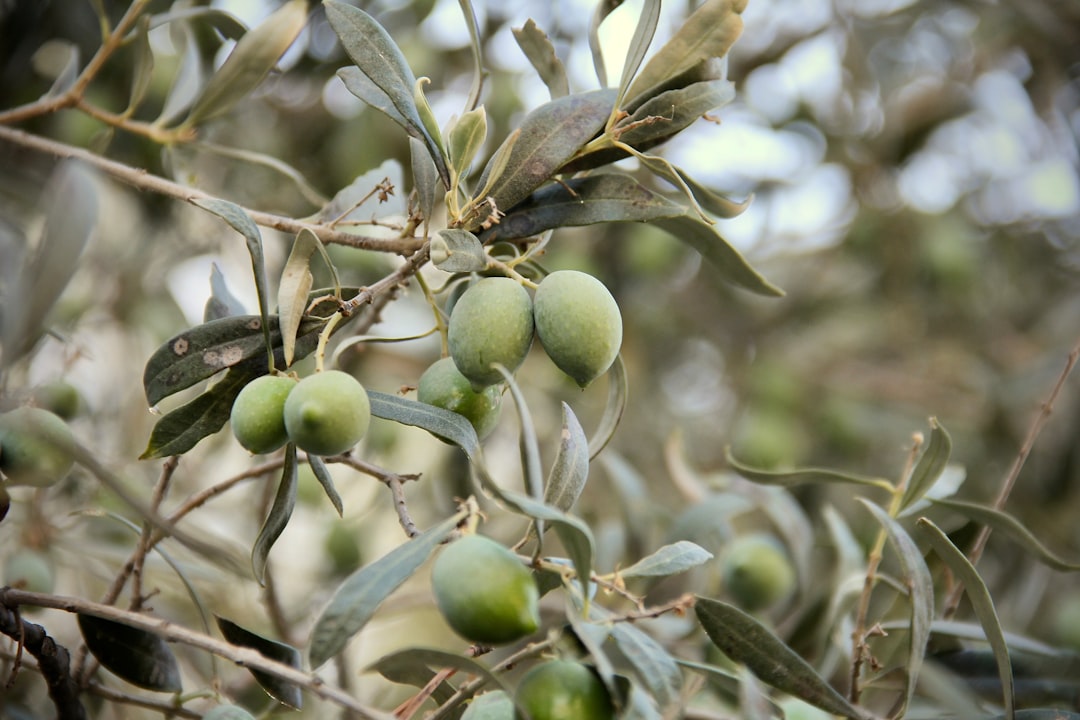
Jordan's olive oil sector, a cornerstone of its agricultural economy and cultural heritage, faces an unprecedented crisis as 2025 production plummets to a 16-year low. This sharp decline, attributed to both inherent biennial harvest patterns and the escalating effects of climate change, threatens the livelihoods of thousands, impacts local market supply, and underscores an urgent need for strategic, long-term agricultural reforms to ensure the industry's resilience against an increasingly volatile climate.
Key Takeaways
-
Historic Lows: Jordan's 2025 olive oil production reached 16,342 tons, marking the lowest output since the 2009 season.
-
Significant Decreases: This represents a 34.4% drop compared to the 2012-2024 average and a staggering 54.4% decrease from the 2024 season.
-
Dual Drivers: Experts attribute the decline primarily to the traditional phenomenon of alternating harvest (biennial bearing) and the increasingly severe impacts of climate change.
-
Vulnerability of Rain-Fed Trees: The majority of Jordan's olive trees are rain-fed, rendering them exceptionally vulnerable to erratic climate fluctuations.
-
Proactive Solutions Proposed: Experts advocate for immediate investment in supplemental irrigation and modern harvesting technologies to mitigate losses and boost future supply.
-
Geographical Disparity: Production remains heavily concentrated in northern governorates like Irbid and Ajloun, with minimal output from the south, highlighting regional imbalances.
Main Analysis
A Deep Dive into the 2025 Decline
The Department of Statistics (DoS) recently released the results of its 2025 Olive Oil Survey in Jordan, painting a stark picture of the sector's performance. The survey confirmed a "significant" drop in production, with total olive oil output for the 2025 season reaching just 16,342 tons. This figure marks the lowest level recorded since the 2009 season, underscoring a critical inflection point for the industry.
To put this decline into perspective, the 2025 output represents a substantial 34.4% decrease when compared to the average production of 24,923 tons observed during the period of 2012-2024. More alarmingly, it signifies a dramatic 54.4% drop from the 2024 season, which saw a robust production of 35,828 tons. The quantity of olives allocated for pressing also mirrored this downward trend, falling from 184,903 tons in the last season to a mere 84,154 tons this season. This simultaneous reduction in both crop size and processing volume paints a clear picture of a sector under severe duress.
The Dual Threat: Climate Change and Natural Cycles
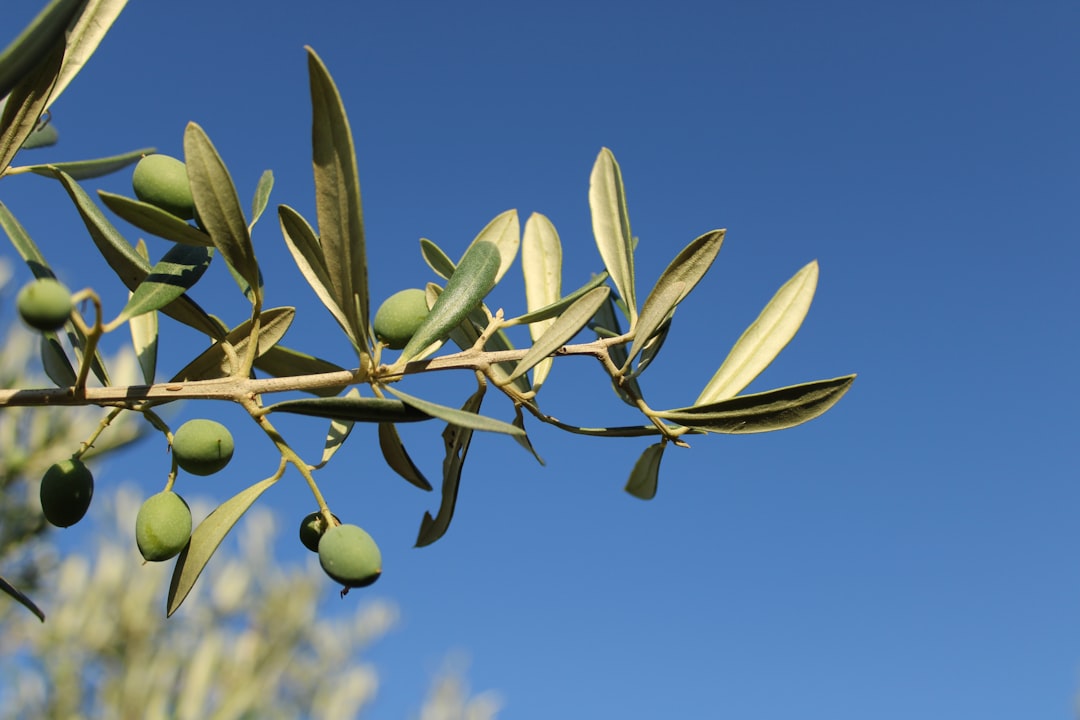
Experts point to a combination of factors driving this unprecedented decline, chief among them being the traditional phenomenon of alternating harvest, also known as biennial bearing. This natural cycle, inherent to many olive varieties, sees trees produce a heavy crop one year followed by a much lighter one the next. While a known challenge, its impact has been severely amplified by the "increasingly complex impacts of climate change."
The overwhelming majority of olive trees in Jordan are rain-fed, making them extraordinarily susceptible to the erratic and severe climate fluctuations that have become increasingly common. Changes in rainfall patterns, prolonged droughts, or unseasonable temperatures directly impact fruit set, development, and ultimately, oil yield. This synergistic effect of natural cycles and climate volatility creates a far more precarious situation than either factor would independently.
Geographical Disparities and Vulnerabilities
The 2025 survey also shed light on the geographical concentration of olive oil production within the Kingdom. The northern governorates continue to lead the sector, with Irbid accounting for approximately 5,500 tons of output, closely followed by Ajloun with around 3,300 tons. This dominance highlights the historical and environmental suitability of these regions for olive cultivation.
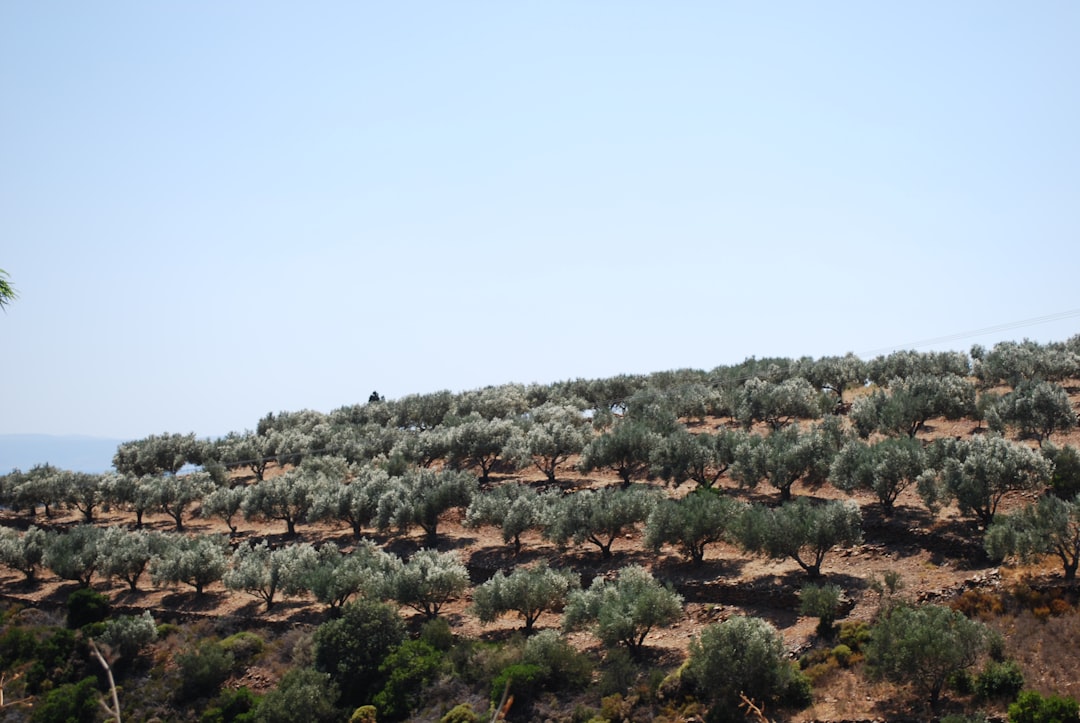
In stark contrast, the Aqaba governorate recorded the lowest production, contributing a mere 52 tons. This vast production gap between the north and the south underscores significant regional disparities in agricultural capacity and likely highlights the differing climatic conditions and access to resources across Jordan. The vulnerability of rain-fed agriculture is particularly acute in arid and semi-arid regions, making southern Jordan's low yields a clear indicator of climate-related challenges.
Pathways to Resilience: Experts' Recommendations
In response to the dire outlook for the 2025 season, commentators and pundits from institutions like Petra have underscored the urgent need for a "proactive plan" for the upcoming seasons. Their recommendations center on strategic investments and the adoption of modern agricultural practices designed to bolster the sector's resilience.
Foremost among these proposals is the investment in supplemental irrigation. Given the high dependency on rainfall, introducing controlled irrigation systems, even if supplemental, can significantly mitigate the risks associated with climate fluctuations and stabilize yields. Furthermore, experts advocate for the adoption of modern harvesting technologies. Such technologies can reduce post-harvest losses, which are currently described as reaching "significant" levels. By minimizing these losses and improving overall efficiency throughout the value chain, Jordan could boost its local market supply and enhance the economic viability of its olive oil industry.
Public Sentiment
The agricultural community and industry observers largely echo the sentiments of experts, emphasizing the critical juncture Jordan's olive sector now faces. There's a palpable concern regarding the future sustainability of an industry deeply intertwined with the nation's cultural fabric and economic health. Stakeholders underline the urgent need for a "proactive and comprehensive strategy," acknowledging that traditional methods alone are no longer sufficient against the backdrop of a changing climate. Discussions often revolve around the necessity of bridging the technological gap, investing in water-efficient irrigation, and empowering farmers with the knowledge and resources to adapt. The prevailing sentiment is a blend of alarm over current declines and a resolute call for collective action to safeguard this vital Jordanian heritage.
Conclusion
Jordan's olive oil sector stands at a critical crossroads. The unprecedented decline in 2025 production, driven by the combined forces of natural biennial cycles and escalating climate change impacts, demands immediate and strategic intervention. While the challenges are significant, the pathway to resilience is clear: proactive planning, substantial investment in supplemental irrigation, and the integration of modern harvesting technologies. Failure to implement these measures risks not only the economic stability of thousands of farmers but also the erosion of a deeply cherished national heritage. The future of Jordanian olive oil depends on a decisive and collective commitment to adaptation and innovation.