Intensifying Regional Pressures Demand Unified Response
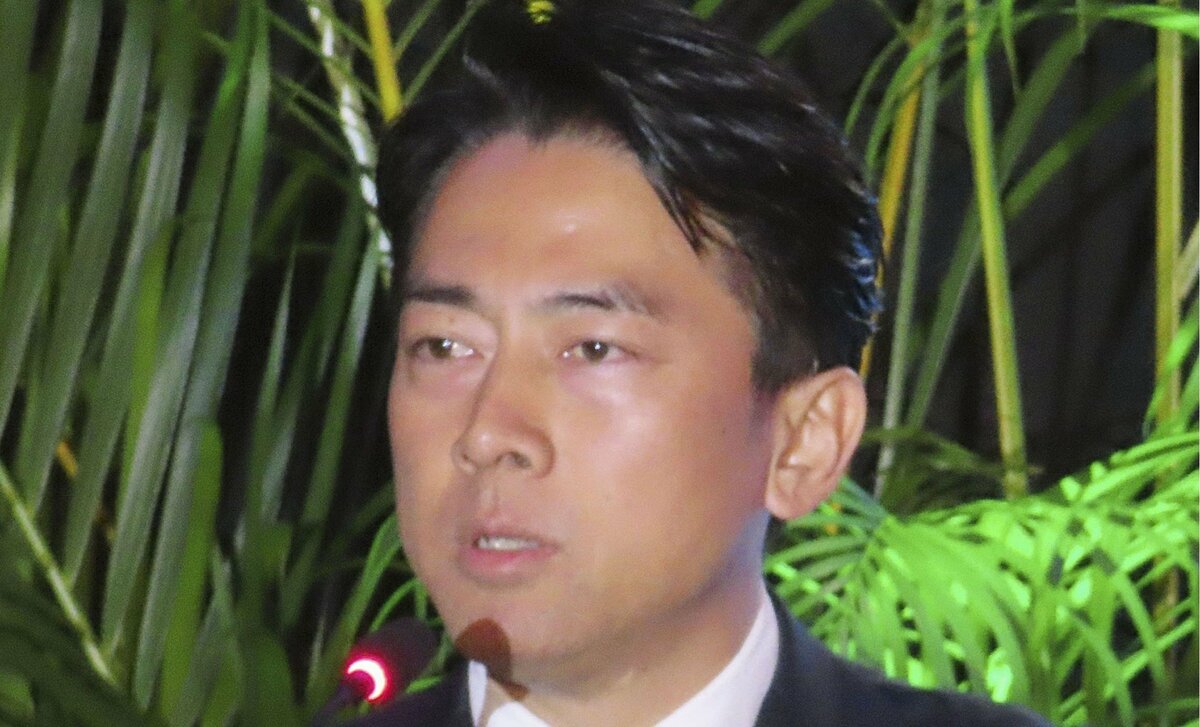
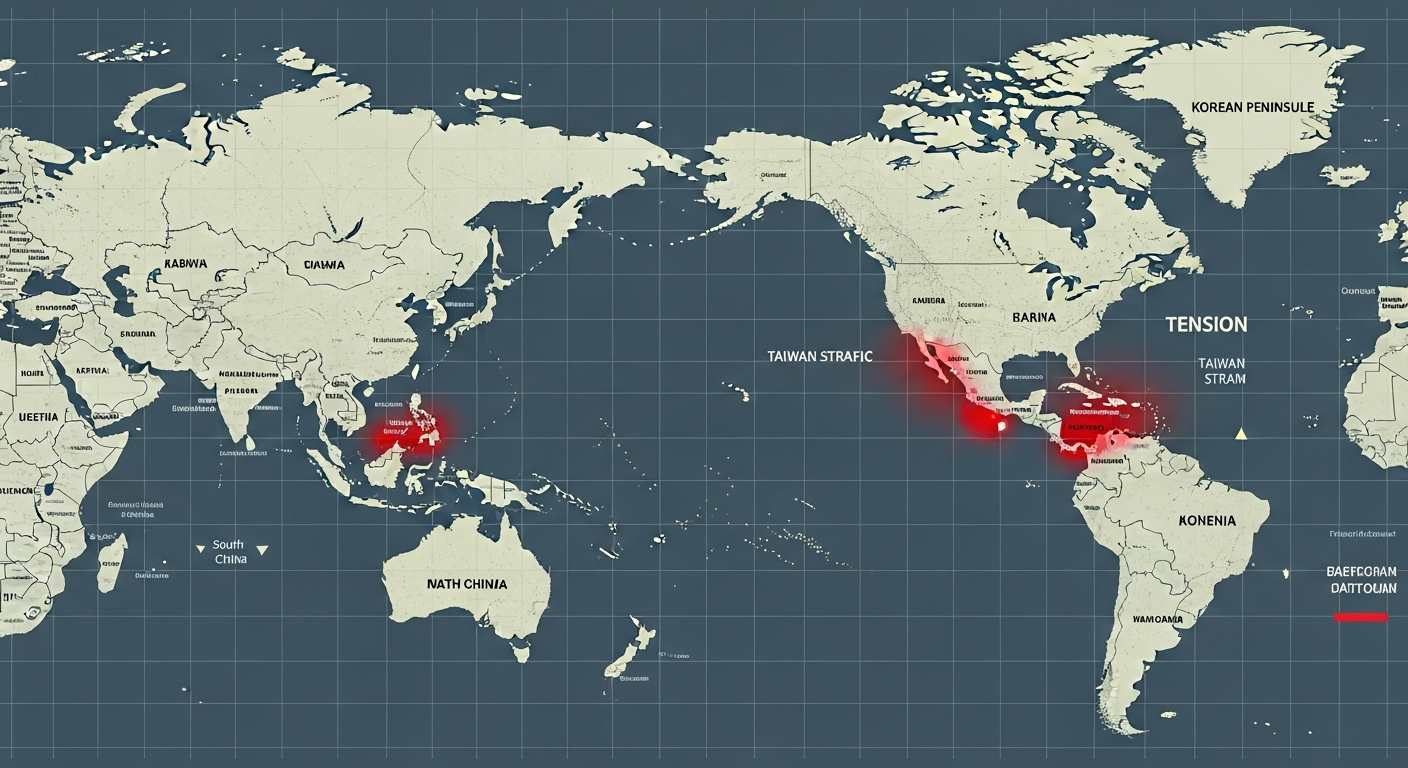
HONOLULU – In a candid and extended dialogue in Hawaii, Japanese Defense Minister Shinjiro Koizumi and Adm. Samuel Paparo, commander of the U.S. Indo-Pacific Command, underscored a stark reality: the security landscape across the Indo-Pacific has deteriorated. Their agreement on the increasing severity of regional threats, particularly from China's growing military footprint and North Korea's continued provocations, frames a critical moment for the Japan-U.S. alliance. Koizumi's weeklong U.S. trip, commencing with this pivotal meeting, is a clear signal of Tokyo's unwavering commitment to reinforcing this foundational partnership.
The discussions, described by Koizumi as “very in-depth,” highlight a shared understanding of the multifaceted challenges confronting the region. The Japanese minister's glowing assessment of Adm. Paparo as “highly trusted by countries in the Indo-Pacific region” speaks volumes, hinting at the depth of trust and strategic alignment necessary to navigate these turbulent waters. The very fabric of regional peace appears to be stretching, prompting an urgent re-evaluation and invigoration of existing security frameworks.
The 'Free and Open Indo-Pacific': A Vision Under Siege
Koizumi's presence at the Honolulu Defense Forum, a first for a Japanese defense minister, lent significant weight to the event. His speech there centered on the realization of a 'Free and Open Indo-Pacific' (FOIP), a strategic vision championed by the late Prime Minister Shinzo Abe. This concept, far from being mere diplomatic jargon, is a robust framework for international conduct in a region increasingly marked by coercion and expansionism.
“'Free' means that no nation shall be subjected to coercion by force,” Koizumi asserted, articulating a fundamental principle that seems perpetually challenged by current geopolitical realities. This statement reflects a deep frustration with the coercive tactics employed by certain regional actors, particularly in maritime disputes and economic leverage. The sentiment resonates with nations across Southeast Asia and beyond, who often find themselves caught between great power rivalries.
Furthermore, Koizumi defined “'Open' means that every nation can cooperate and contribute by its own will.” This emphasis on voluntary cooperation stands in stark contrast to opaque, top-down regional initiatives that often mask strategic ambitions. It's a contemplative stance, inviting introspection into what true regional partnership entails, and a subtle critique of alternative models that prioritize unilateral gain over collective benefit. The challenge now is translating this idealistic vision into tangible, enforceable norms of behavior, particularly when faced with actors seemingly indifferent to such principles.
Bolstering the Alliance: Beyond Rhetoric
Koizumi's itinerary, which includes stops in Los Angeles and a crucial meeting with his U.S. counterpart Pete Hegseth in Washington, underscores the investigative approach both nations are taking to identify and implement concrete measures to enhance the alliance. These aren't merely courtesy calls; they are working sessions aimed at operationalizing strategies, coordinating defense postures, and potentially expanding joint exercises and intelligence sharing capabilities.
The discussions likely delved into advanced military technologies, cyber defense, and space security – domains where the U.S.-Japan alliance can forge new frontiers of cooperation. The urgency is palpable; the region waits for practical outcomes from these high-level engagements, not just reaffirmations of shared concerns. The frustration stems from the persistent nature of the threats, necessitating continuous adaptation and strengthening of defense capabilities.
The contemplation extends to how the alliance can better support smaller nations in the region, empowering them to resist coercion and uphold their sovereignty. This involves capacity building, shared intelligence, and perhaps even joint patrols, ensuring that the 'free and open' principles are not just abstract ideals but lived realities for all nations, regardless of their size or military might.
Public Sentiment: A Blend of Apprehension and Hope
Public discourse in Japan, while generally supportive of the U.S. alliance, reflects a complex mix of emotions. There is a palpable apprehension regarding the accelerating pace of regional militarization, particularly visible in the East China Sea and around Taiwan. Citizens contemplate the true cost of these mounting security challenges, from increased defense spending to the psychological burden of living under perpetual threat.
However, there is also a resilient hope that strong alliances, like the one with the U.S., can act as a crucial deterrent. Many express a frustration with the perceived lack of international consensus or effective mechanisms to rein in aggressive actors, leading to a greater reliance on bilateral and minilateral security arrangements. Investigative journalism frequently highlights the public's desire for transparency regarding defense policies and a clear articulation of how these alliances directly contribute to their safety and prosperity.
Conclusion: A Steadfast Commitment in a Volatile Era
The convergence of Japan's Defense Minister and the U.S. Indo-Pacific Commander in Hawaii serves as a powerful testament to the enduring strength and evolving nature of their alliance. While the acknowledgment of a “severe” security environment is a stark reminder of escalating tensions, it also signals a unified and determined front. The contemplation of strategic responses, the frustration with persistent geopolitical challenges, and the investigative pursuit of enhanced cooperation define this critical period.
As Koizumi continues his U.S. trip, the global community will be watching for concrete steps that translate shared concerns into actionable strategies. The realization of a free and open Indo-Pacific, a vision rooted in the principles of non-coercion and voluntary cooperation, remains the guiding light. But making this vision a reality demands not only unwavering commitment from Japan and the U.S. but also the active participation and solidarity of all nations invested in a stable, prosperous, and rules-based international order.