
The crisp mountain air of Jammu and Kashmir, once reliably laden with natural snow for its burgeoning winter sports scene, is now witnessing a significant shift. Amidst increasing climate volatility and reduced natural snowfall, the region's Sports Minister, Satish Sharma, has robustly defended the strategic implementation of artificial snow for winter sports, dismissing recent criticism from the BJP as misplaced and reflective of a fundamental misunderstanding of modern sports infrastructure and global standards.
Key Takeaways
-
Global Standard: Artificial snow is widely adopted at leading international winter sports destinations to ensure consistent conditions.
-
Climate Resilience: It provides a necessary buffer against unpredictable weather patterns and declining natural snowfall, ensuring event continuity.
-
Economic Catalyst: The initiative is projected to boost tourism, create employment opportunities, and strengthen the local economy in J&K.
-
Infrastructure Modernisation: The minister frames criticism as a lack of understanding of contemporary sports requirements and climate challenges.
-
Hub Development: The J&K government remains committed to establishing the region as a major winter tourism and sports destination.
The Necessity of Modernisation: A Global Perspective
Minister Sharma's proactive stance, articulated in an interview with Kashmir News Observer (KNO), is not an isolated development but rather a pragmatic alignment with global practices. Major winter sports events, from the Olympic Games to World Cup circuits across Europe, North America, and Asia, have long relied on sophisticated snowmaking technologies. This reliance is primarily driven by the imperative to guarantee consistent, high-quality conditions for athletes, adhere to stringent competition schedules, and ensure spectator safety, irrespective of natural weather patterns. The variability of natural snowfall, often too sparse, too heavy, or inconsistent in quality, makes it an unreliable foundation for high-stakes international competitions.
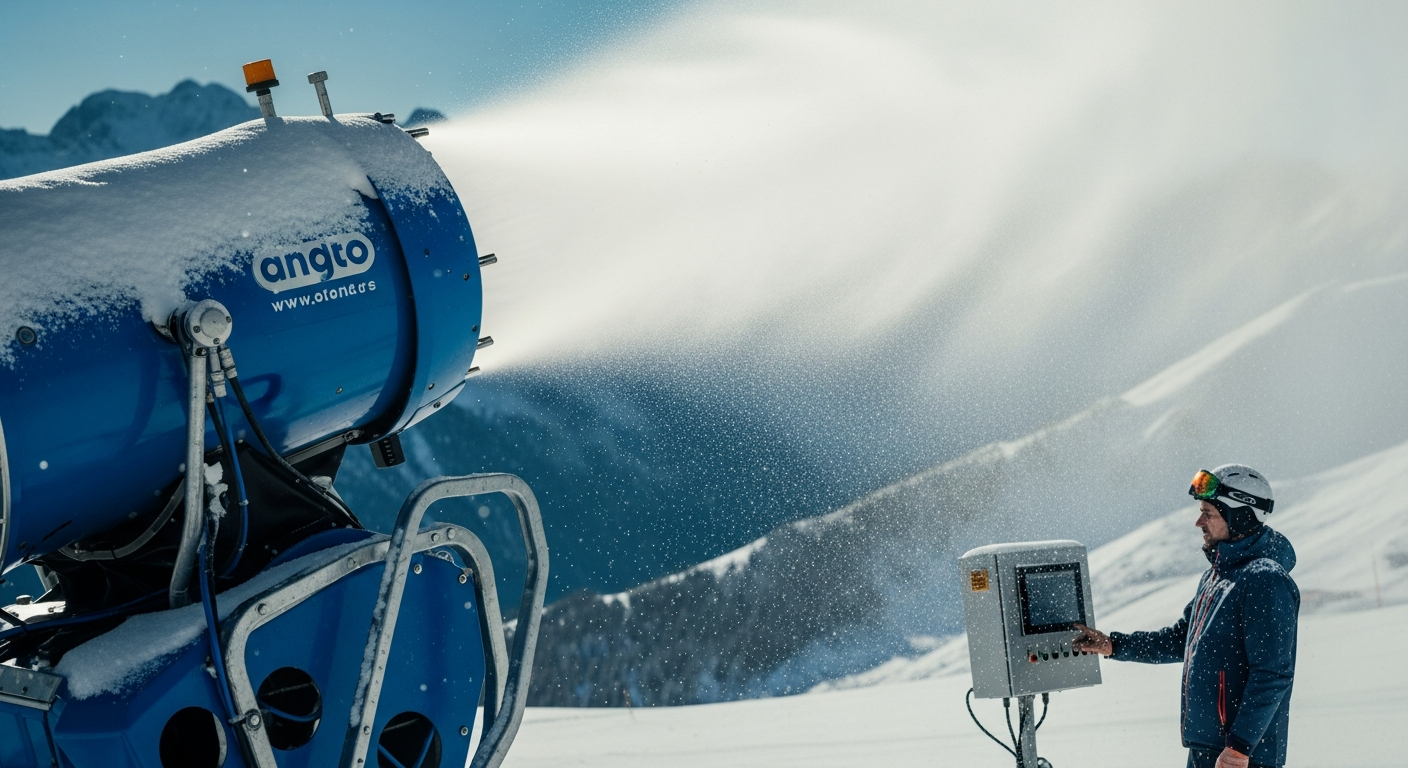
“Artificial snow is a global practice and vital for winter sports success,” Minister Sharma affirmed, underscoring that this is not a luxury but a fundamental component of contemporary winter sports infrastructure. The technology involves converting water and compressed air into snow particles at specific temperatures, ensuring optimal coverage and durability for various disciplines like skiing, snowboarding, and ice hockey.
Climate Change and the Himalayan Challenge
The Indian Himalayas, a region of unparalleled natural beauty and ecological significance, are increasingly vulnerable to the impacts of climate change. Studies indicate a discernible trend of reduced natural snowfall and shorter winter seasons in many parts of the range. For a region like Jammu and Kashmir, which hosts prestigious events such as the Khelo India Winter Games, this presents a formidable challenge. The traditional reliance on natural snowfall becomes an unsustainable model, risking event cancellations, financial losses, and a significant blow to the region's aspirations as a winter sports hub.
Minister Sharma highlighted that with reduced natural snowfall, “technological support had become necessary to sustain events” like the Khelo India Winter Games. This strategic pivot allows event organisers to 'climate-proof' their schedules, offering reliability that is attractive to national and international federations and athletes.
The Economic Imperative: Tourism, Employment, and Regional Growth
Beyond the realm of sports, the adoption of artificial snow technology carries substantial economic implications for Jammu and Kashmir. The minister explicitly stated that such initiatives would “boost tourism, generate employment and strengthen the local economy.” This is a multifaceted argument that resonates with the broader developmental goals for the Union Territory.
Reliable snow cover extends the winter sports season, attracting more domestic and international tourists. This influx, in turn, stimulates demand for hospitality services—hotels, guesthouses, restaurants—and associated industries like equipment rental, transport, and local handicrafts. The creation of ski instructors, lift operators, maintenance crews for snowmaking equipment, and hospitality staff contributes directly to local employment. Furthermore, the enhanced profile of J&K as a premier winter sports destination can attract further investment into sports infrastructure, training academies, and related businesses, creating a virtuous cycle of economic growth and regional prosperity.
The Political Undercurrents and Public Sentiment
The BJP's criticism, though not detailed in the source, likely stems from various concerns, which could range from the perceived 'unnaturalness' of artificial snow, the significant investment required, or potential environmental impacts like water and energy consumption. Such criticisms often touch upon resource allocation and whether such modern interventions align with the region's traditional ethos.
Public Sentiment
Public discourse around artificial snow is often nuanced. Supporters frequently highlight the undeniable economic benefits, viewing it as a forward-thinking investment in the region's future. "We need to adapt to modern realities," commented a local hotelier in Gulmarg. "If we want our children to have opportunities and our businesses to thrive, we must ensure world-class facilities." Others, however, voice concerns about the environmental footprint. "What about the water resources? Is this truly sustainable in the long run?" questioned an environmental activist, reflecting a common sentiment regarding ecological balance versus developmental ambitions. Yet, there is a general consensus that for J&K to truly compete on the global stage, a blend of natural beauty and technological sophistication is increasingly inevitable.
Conclusion
Minister Satish Sharma's assertive defence of artificial snow is a clear signal of Jammu and Kashmir's ambition to solidify its position on the global winter sports map. It represents a strategic response to the dual challenges of climate change and the demands of modern athletic competition. While valid concerns regarding resource management and environmental impact deserve continued dialogue and sustainable practices, the economic and developmental imperatives outlined by the minister underscore a proactive approach to securing a vibrant future for J&K’s tourism and sports sectors. The debate, therefore, is not merely about snow, but about the very trajectory of J&K’s integration into the global economy and its adaptation to a changing world.