Key Takeaways
-
Israeli occupation forces are systematically exhuming hundreds of graves in northern Gaza in an operation to locate the body of captive Ran Gvili.
-
The search involves extensive military presence, forensic teams, and dental identification specialists, with over 200 graves reportedly opened.
-
This operation is occurring concurrently with continued Israeli violations of a fragile ceasefire, including airstrikes and gunfire, contributing to further Palestinian casualties.
-
The broader context includes over 71,600 Palestinian deaths and 171,000 wounded since October 2023, with rights groups categorizing the situation as an 'ongoing genocide.'
-
The grave exhumations raise significant ethical concerns and potential breaches of international humanitarian law regarding the respect for the dead and protected sites during armed conflict.
Sacred Ground, Shattered Peace: The Desecration of Gaza's Cemeteries
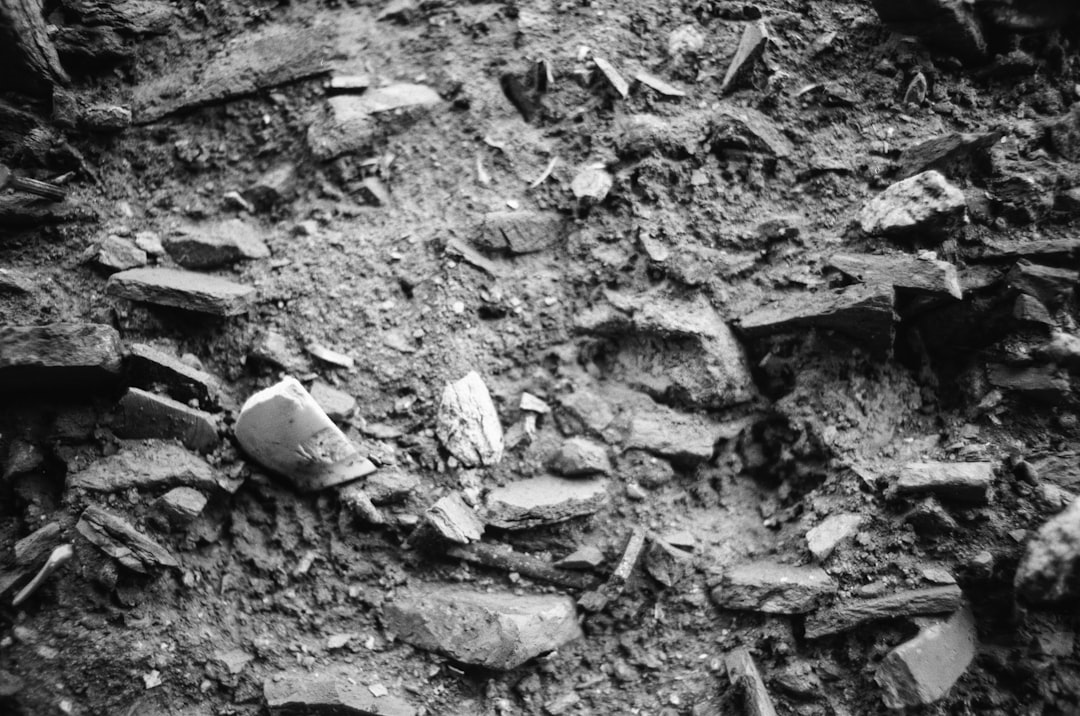
In a stark illustration of the conflict's grim toll and the desperate measures employed, Israeli occupation forces have embarked on an unprecedented and highly controversial operation in northern Gaza: the systematic exhumation of hundreds of graves. The stated objective is to locate the body of Israeli captive Ran Gvili, believed to have been buried in the early weeks of the war, possibly without his identity known at the time.
This undertaking, focused on cemeteries east of Gaza City near the so-called "yellow line," involves a significant deployment of military personnel, forensic teams, and specialists equipped with dental identification methods. According to Israeli army radio, over 200 graves have already been disturbed, with preparations for psychological support being made for the teams involved. Hebrew media further reports that dentists from Israel's forensic institute have been brought in, underscoring the challenging field conditions and the imperative to accelerate identification efforts.
The sheer scale of the operation—dividing cemeteries into sectors with simultaneous teams and the potential for the search to expand to entire burial grounds—speaks volumes about the intensity and determination behind the effort. Yet, it also speaks to the profound disregard for the sanctity of the dead and the emotional trauma inflicted upon a population already enduring unimaginable suffering.
Disproportionate Measures and Collateral Devastation
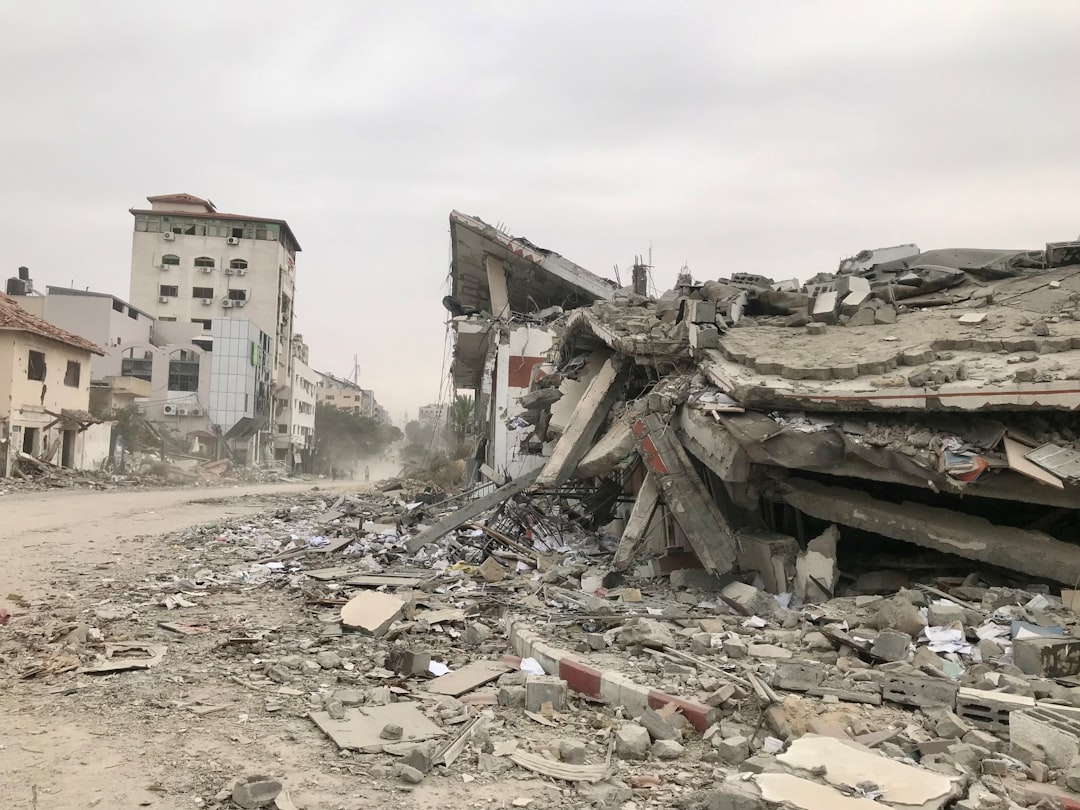
The timing and context of this grave exhumation operation are particularly jarring. It unfolds amid persistent Israeli violations of the ceasefire, including ongoing airstrikes and gunfire that continue to claim Palestinian lives, particularly among displaced populations. This confluence of events paints a picture of a conflict where the pursuit of one objective—the recovery of a captive's remains—appears to override fundamental considerations for the living and the dead in the opposing territory.
The statistics from Gaza's Health Ministry are grim: over 71,600 Palestinians killed and more than 171,000 wounded since October 2023. These numbers, which human rights groups increasingly describe as evidence of an "ongoing genocide," provide a chilling backdrop to the current operation. While the search for Ran Gvili's body is undoubtedly a painful quest for his family, the methods employed, and the context in which they are deployed, raise serious questions about proportionality and humanitarian ethics.
International Law and the Ethics of Conflict
International humanitarian law, specifically the Geneva Conventions, mandates respect for the dead and the proper maintenance of graves, even during armed conflict. While provisions exist for exhumations under specific, carefully regulated circumstances—often for identification or reburial—the current scale and context of the Israeli operation invite scrutiny. The desecration of hundreds of graves, particularly when conducted by an occupying force in a besieged territory, treads perilously close to violations of these international norms. The act of disturbing ancestral resting places carries immense cultural and religious weight, often seen as one of the ultimate indignities in times of war.
Critics argue that such actions further erode trust, dehumanize the affected population, and contribute to an environment of collective punishment, all while the broader conflict continues to claim lives at an alarming rate. The perceived focus on one Israeli captive's remains, however tragic, against the backdrop of tens of thousands of Palestinian dead, underscores a deeply troubling imbalance in the value attributed to human life.
The Human Cost Beyond Identification
The psychological toll on the residents of Gaza, many of whom have already lost multiple family members and their homes, is immeasurable. To witness the excavation of cemeteries, often the last tangible link to their deceased loved ones, adds another layer of profound trauma. The operation, while framed as a search for closure for one family, inadvertently re-opens wounds for countless others, forcing communities to confront the violation of sacred spaces and the constant intrusion of military operations into their most personal and revered domains.
This ongoing forensic expedition, therefore, is not merely a technical search; it is a highly charged political and ethical act. It highlights the desperation and brutality inherent in the conflict, questioning the moral boundaries of warfare and the long-term repercussions for reconciliation and peace in the region.
Public Sentiment
Global human rights organizations and international observers have expressed profound alarm over the ongoing operations in Gaza, including the grave exhumations. Many see it as yet another egregious example of the Israeli military's disregard for international law and humanitarian principles. There's a growing sentiment that while the search for an individual captive is understandable, the means and context – particularly amid mass Palestinian casualties and ongoing ceasefire violations – are indefensible. Public discourse is increasingly critical, framing these actions as part of a larger pattern of dehumanization and collective punishment against Palestinians, urging for immediate international intervention and accountability for perceived war crimes.
Conclusion
The exhumation of hundreds of graves in northern Gaza, a desperate search for one amidst a catastrophe claiming tens of thousands, serves as a grim metaphor for the wider conflict. It exposes the profound ethical dilemmas, the disregard for international humanitarian law, and the disproportionate suffering inflicted upon the Palestinian people. As the 'Rusty Tablet' has consistently highlighted, true resolution demands not only the recovery of remains but a comprehensive re-evaluation of tactics, a commitment to human dignity across all lines, and an end to the systemic violations that continue to unravel the fabric of peace in the region.