Key Takeaways:
-
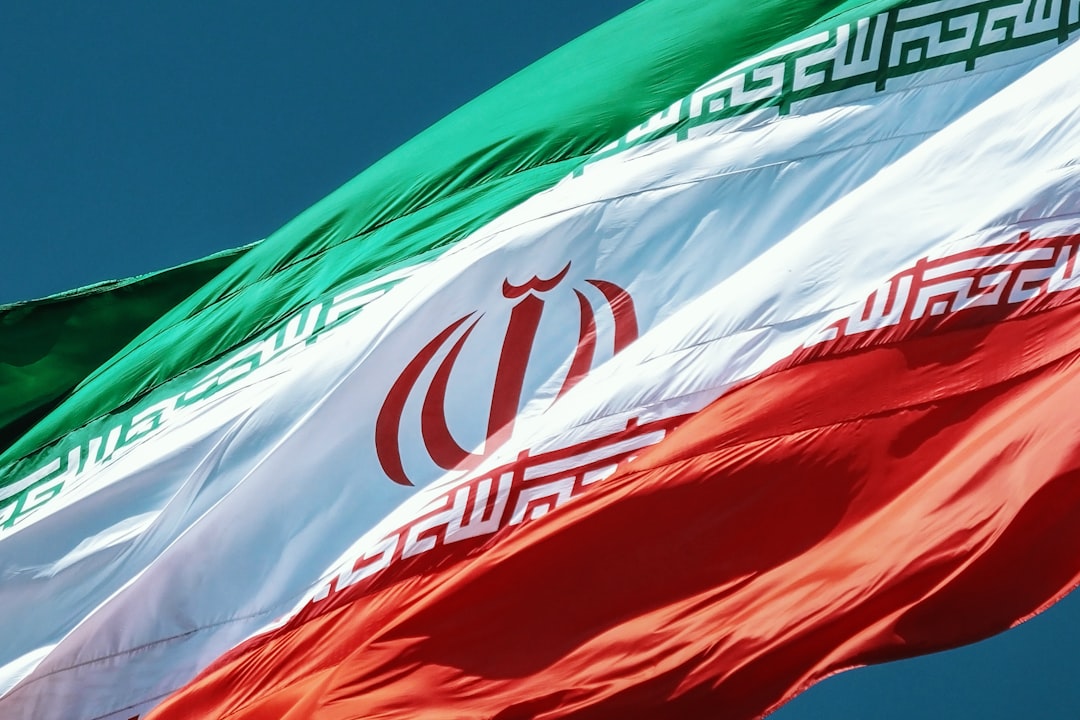
Iran's Red Line: President Pezeshkian warns an attack on Supreme Leader Khamenei constitutes "full-scale war."
-
US Backs Protesters: President Trump supports Iranian demonstrators, calling for "new leadership."
-
Bloody Crackdown: Protests have resulted in thousands of deaths (up to 5000 reported, 3766 confirmed by HR group) and over 24,000 arrests.
-
Mutual Blame: Both nations accuse each other of destabilising the region; Iran attributes economic woes to US sanctions.
-
Military Standoff: Iran asserts defensive military build-up; US threatens "full-force retaliation" if facilities are attacked.
The Dangerous Dance of Escalation and Rhetoric
Tehran's latest pronouncements signal a critical red line in its already fraught relationship with the United States. President Masoud Pezeshkian's stark warning on X, framing any targeting of Supreme Leader Ayatollah Ali Khamenei as an act of war, directly challenges US President Donald Trump's recent calls for "new leadership" in Iran.
This exchange has rapidly devolved into a dangerous war of words. Iran has vehemently denied US claims of preparing attacks on American military installations, with Foreign Ministry spokesperson Esmail Baghaei dismissing them as "baseless misinformation" designed to destabilise the region. Concurrently, the US, citing alleged intelligence, warned of potential Iranian strikes and promised "full-force retaliation" if its bases were targeted, leaving "all options on the table." This escalating cycle of accusation and counter-accusation dramatically heightens the risk of miscalculation, potentially drawing both nations into a direct conflict.
The Human Cost of Dissent: A Nation in Turmoil
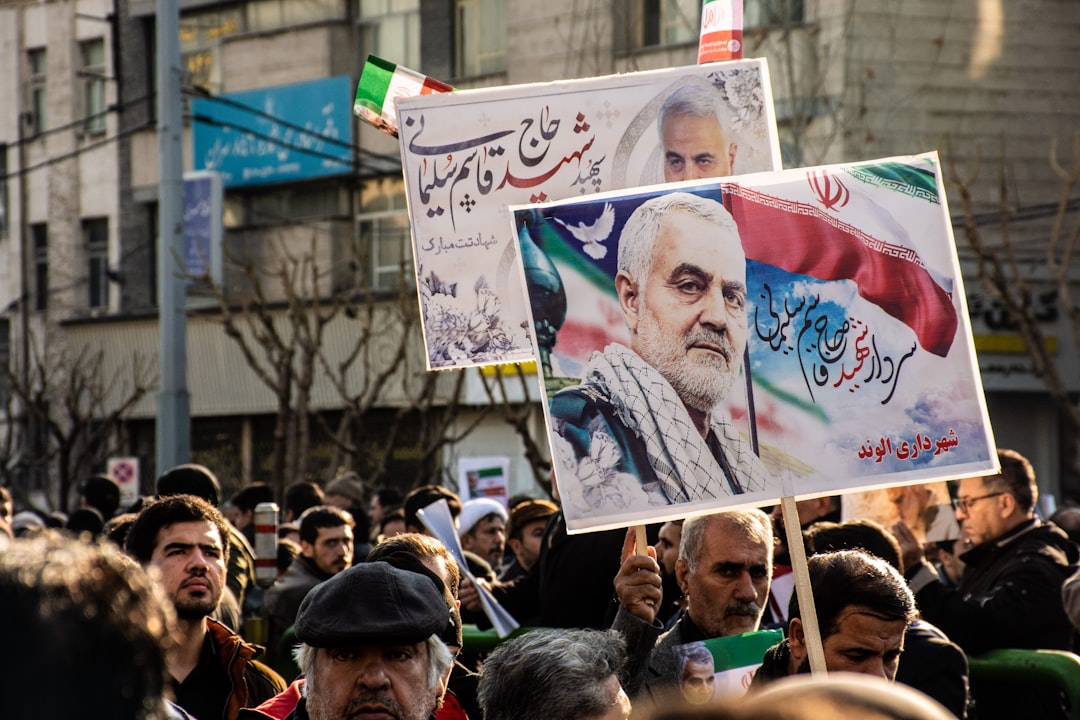
Beneath the geopolitical drama lies a harrowing humanitarian crisis within Iran. Protests, initially sparked by "worsening economic conditions," have intensified into brutal confrontations. While Iranian authorities offer no official death toll, Supreme Leader Ayatollah Ali Khamenei acknowledged "thousands" had been killed—a rare public admission.
Human rights organisations provide a grim snapshot: one US-based group confirmed at least 3,766 deaths from crackdowns, warning of further increases. Over 24,348 protesters have reportedly been arrested. These figures highlight the severe state response, raising urgent human rights concerns. President Trump's warning of military action if lethal force is used further complicates the internal situation, potentially emboldening demonstrators while cornering the regime.
Economic Hardship, Blame Games, and External Meddling
The current unrest is rooted in Iran's severe economic hardships, which President Pezeshkian attributes to "long-standing hostility and inhumane sanctions" by the US and its allies. This narrative of external sabotage is a cornerstone of Tehran's defense, with officials accusing the US and Israel of instigating internal chaos.
However, critics point out that internal governance and resource allocation also play significant roles. The widespread protests reflect deep-seated frustration among Iranians, who bear the brunt of both international pressure and domestic challenges. The government's tendency to blame external actors, rather than address core grievances, suggests a regime under immense pressure, seeking to deflect internal criticism.
Regional Instability and Global Implications
The current standoff extends beyond a bilateral dispute, casting a long shadow over the entire Middle East. Iran's declared intention to "strengthen its military strictly for defensive purposes" collides with the US "all options on the table" strategy. The potential for miscalculation, given the inflammatory rhetoric and regional military presence, is dangerously high.
Any direct military confrontation, especially one triggered by an attack on Iran's Supreme Leader, would have catastrophic consequences for Iran, the United States, global energy markets, and regional alliances. The international community watches, acutely aware that the current trajectory points towards an intensifying crisis with far-reaching and unpredictable ramifications.
Public Sentiment: A Cacophony of Contradictions
Public sentiment, extrapolated from official statements and the ongoing protests, reveals a deeply fractured landscape.
Iranian officials project defiance: "The West's inhumane sanctions cripple our nation, and now they instigate chaos. Our military serves only as a defensive shield," an official might declare, echoing Foreign Ministry assertions. This reflects deep suspicion of Western motives and a resolve to protect sovereignty.
US officials convey stern condemnation: "The Iranian regime's brutal crackdown is unacceptable; new leadership reflects the Iranian people's will," a White House spokesperson might state, aligning with President Trump. "We stand with protesters and will not tolerate lethal force." This underscores a commitment to human rights and challenges the regime's legitimacy.
Among the Iranian populace, the act of mass protest—despite severe risks—speaks volumes. It implies profound weariness with economic hardship and a government perceived as unresponsive or repressive. The scale of deaths and arrests highlights a desperate cry for change, a poignant testament to the unbearable pressures on ordinary citizens.
Conclusion:
The growing chasm between Tehran and Washington transcends mere diplomatic disagreement; it is a dangerous ideological clash, worsened by Iran's internal turmoil. With Iran drawing a clear red line around its Supreme Leader and the US backing a protest movement that has cost thousands of lives, the region is on a precipice. The escalating rhetoric and tragic human cost demand urgent international attention and concerted de-escalation efforts. Without a significant shift from both sides, the path ahead appears fraught with peril, risking a wider conflagration no party can truly win.