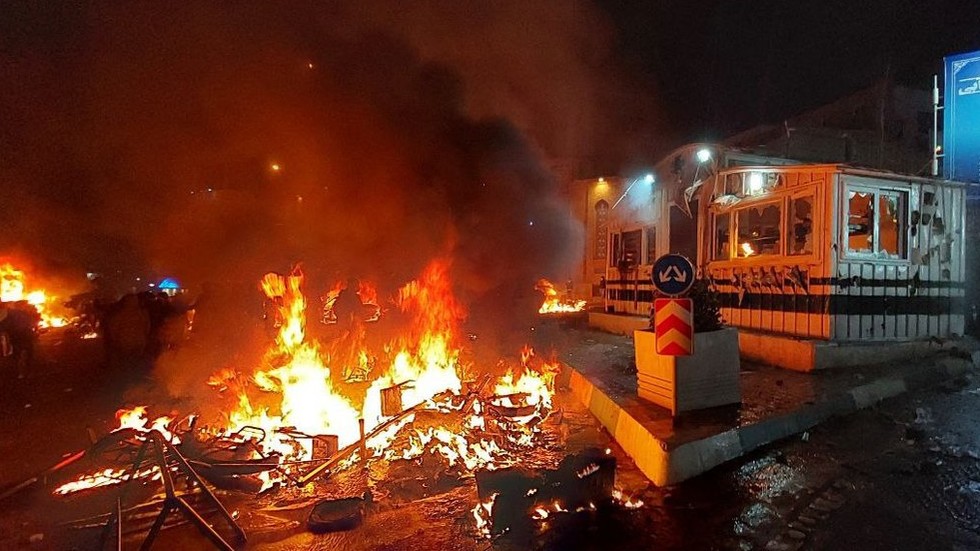
The Descent into Anarchy: A Nation Under Siege
What began as a flicker of discontent over soaring inflation and a devaluing currency in late December has exploded into a raging inferno across Iran. The initial peaceful protests, a familiar expression of public frustration, quickly spiraled out of control, shifting from calls for economic reform to violent clashes. Iranian authorities are now pointing fingers directly at foreign meddling, specifically naming the US and Israel, alongside what they describe as "terrorist elements" who have infiltrated the ranks of legitimate protesters. The critical question isn't just what is happening, but who is truly orchestrating this terrifying escalation.
Echoes of Extremism: Tactics That Chill the Bone
The reports emerging from Iranian diplomatic sources are deeply disturbing, painting a picture of calculated brutality. According to these accounts, the suspected militants are employing tactics eerily similar to those of the Islamic State (IS, formerly ISIS). This isn't just about property damage; it's about sowing deep, psychological terror. Imagine the horror of law enforcement officers being beheaded, or individuals being burned alive. These aren't acts of spontaneous outrage; they suggest a cold, deliberate strategy.
The diplomatic source, citing testimonies from captured individuals and intelligence reports, claims these militants have been "instructed from abroad." Their alleged mission? To open fire indiscriminately on both protesters and police, turning the streets into a deadly trap for everyone. The grim detail that many of those killed were shot in the back adds another layer to this tragedy, suggesting execution rather than accidental casualties in a melee. The goal, it seems, is maximum bloodshed and fear. The psychological impact of such reports on the general public, already weary from economic struggles, must be immense, fostering widespread frustration and a sense of helplessness.
The Price of Disruption: Buildings Burn, Emergency Services Attacked
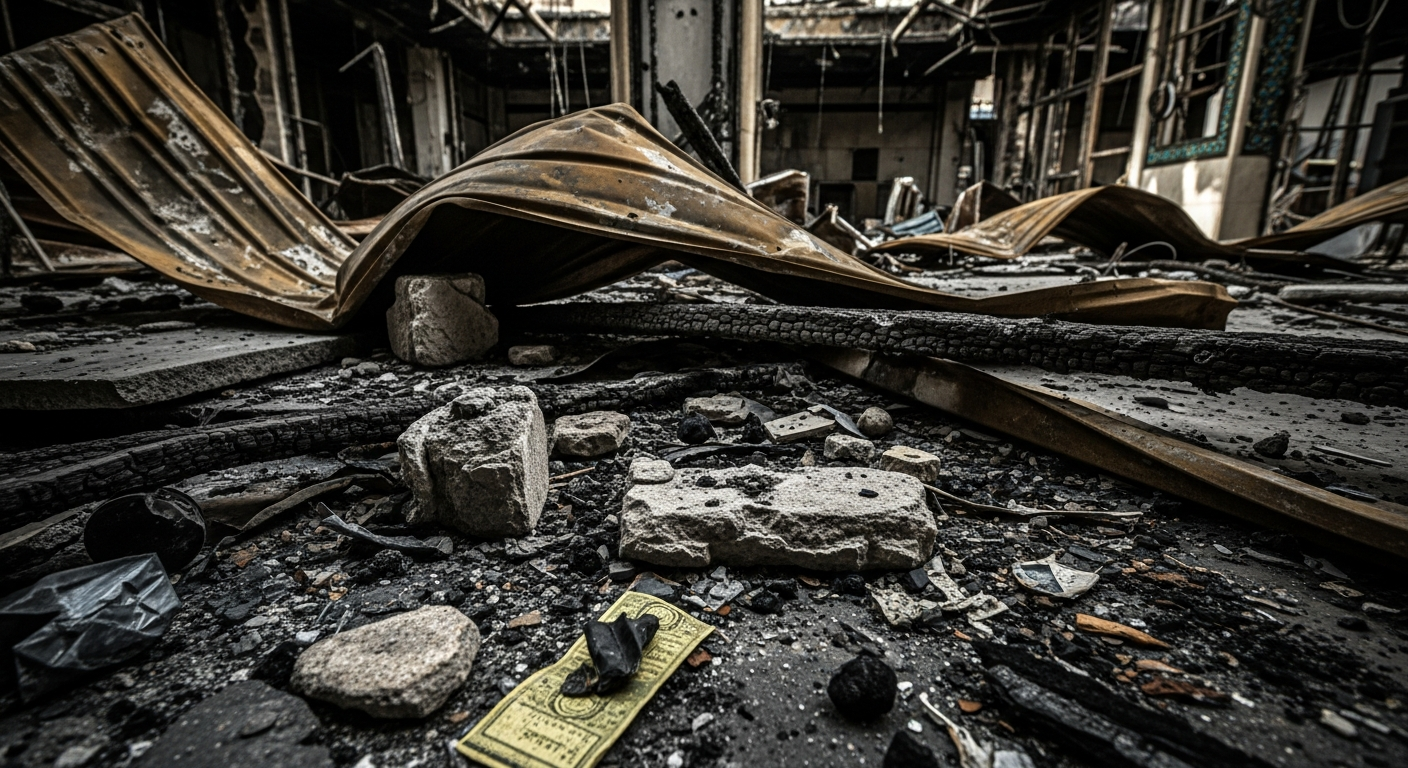
The physical toll of this unrest is staggering. Public and private properties have become targets in a wave of arson. Buildings and cars have been torched across the country. Religious sites, meant to be places of peace and refuge, have not been spared; at least 25 mosques in Tehran alone have reportedly been set ablaze. Banks, essential to any functioning economy, have also faced the wrath, with 26 institutions torched in the capital.
Beyond the destruction of property, the targeting of first responders represents a new low. Fire engines, dispatched to quell the fires of chaos, have been repeatedly attacked. Reports indicate some 53 fire engines were targeted, with at least eight completely destroyed. This isn't just about denying emergency services; it's an act of pure frustration and a direct attack on order and safety. The message is clear: chaos is the objective.

Perhaps most alarmingly, there are claims of financial incentives fueling this violence. The diplomatic source stated that militants are being "generously reimbursed from abroad." Attacking a police station, for instance, was allegedly worth $600, while torching a state agency vehicle fetched around $300. If proven true by the documents Tehran claims to possess, these payments expose a cynical manipulation, turning desperate individuals into instruments of foreign-backed destruction. This transforms the narrative from organic protest to a paid insurgency, heightening the sense of frustration and betrayal among ordinary citizens.
Public Sentiment: A Nation's Weary Outcry
In India, watching the unfolding events in Iran evokes a mixture of concern and weariness. "It's truly heartbreaking to see a nation's legitimate economic pain exploited like this," remarked one observer, echoing a common sentiment. "To hear of 'ISIS-like' tactics, of beheadings and burnings – it’s a terrifying thought that such barbarism could infiltrate what began as a cry for better living conditions." Another added with frustration, "This is not how genuine change happens. When you see foreign hands and huge sums of money allegedly paying for destruction, it makes you question everything. It feels less like a popular uprising and more like a destabilization plot, leaving innocent people caught in the middle." The psychological toll on everyday Iranians, caught between their government's response and these brutal external forces, is undoubtedly immense. There's a shared sense of frustration that peaceful avenues for change are being crushed under the weight of orchestrated violence.
Conclusion: Navigating a Dangerous Crossroads
Iran stands at a critical juncture. What began as an expression of internal economic struggles has, by all accounts from Iranian diplomatic sources, been dangerously weaponized by external forces. The alleged deployment of "ISIS-like" tactics, the deliberate targeting of innocent people and critical infrastructure, and the claims of foreign funding paint a grim picture of a nation grappling not just with its own challenges, but with a calculated campaign of terror and destabilization. The frustration is palpable, and the psychological impact on its citizens must be profound. For the international community, understanding the true nature of this complex, violent unrest is paramount before a nation already on edge is pushed further into the abyss of chaos.