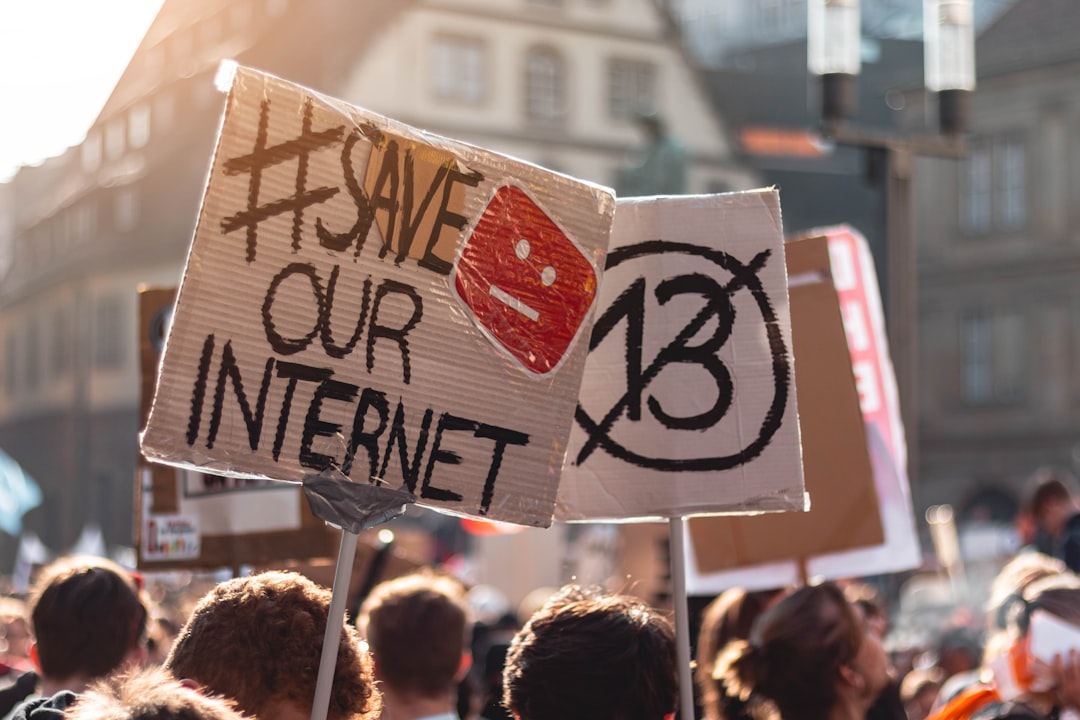
The Iranian regime's strategic severance of internet access in early January marked the beginning of the longest digital blackout in the nation's history. This drastic measure, initiated in response to widespread protests, was a calculated gambit to halt the spread of dissent and conceal the escalating state violence. While the protests have, remarkably, persisted against overwhelming odds, the information vacuum created by this shutdown has had dire consequences, profoundly slowing the dissemination of crucial news both within and outside Iran's heavily policed borders.
Key Takeaways:
-
Unprecedented Digital Silence: Iran is experiencing its longest internet blackout, a deliberate act by the regime to control narrative and suppress dissent.
-
Protests Persist, Information Stifled: Despite the blackout, widespread protests have continued, though the flow of information regarding their scale and the state's response is severely hampered.
-
Massive Human Cost: Conservative estimates of the death toll range from 3,000 to an alarming 30,000, underscoring a brutal wave of state violence that remains largely unverified due to the digital isolation.
-
Global Blind Spot: The internet shutdown has created a significant challenge for international bodies, media, and human rights organizations attempting to monitor and report on the situation.
The Digital Iron Curtain: A Strategy of Blinding
For weeks, Iran has operated under a digital iron curtain, an engineered isolation designed to cut off its population from the global internet and, crucially, from each other. This is not merely an inconvenience; it is a sophisticated tactic of authoritarian control. By jamming signals and shutting down digital infrastructure, the regime aims to dismantle the organizational backbone of protests, prevent the sharing of evidence of state abuses, and instill a pervasive sense of isolation and fear among its citizens. The economic ramifications are also severe, crippling businesses and further exacerbating public discontent, yet the primary goal remains control over information.
This deliberate act of digital strangulation has transformed Iran into an informational black box, making it exceedingly difficult for the world to ascertain the true scope of the crisis. Reports from within are fragmented, often smuggled out at great personal risk, painting a harrowing picture of a society battling both state repression and enforced silence.
Escalation of Violence and the Unverifiable Toll
Behind this veil of digital darkness, an unprecedented wave of state violence has unfurled. The Iranian state itself has acknowledged a death toll in the thousands, a figure widely regarded by international observers as a gross underestimate. Independent organizations and human rights groups estimate the fatalities to be significantly higher, potentially reaching tens of thousands. Even at the lowest end of these estimates, these past few weeks represent one of the bloodiest uprisings in recent Iranian history. The blackout prevents real-time documentation, hindering efforts to identify victims, catalog abuses, and hold perpetrators accountable. Arbitrary arrests, torture, and summary executions are reported with increasing frequency, yet each claim is difficult to verify, a direct consequence of the imposed informational silence.
A Stifled Cry for Help: Impact on Global Awareness
The consequences of Iran's digital isolation extend far beyond its borders. The global community's ability to respond effectively is severely compromised when accurate, timely information is scarce. Aid organizations struggle to assess needs, journalists cannot report independently, and human rights advocates are forced to rely on delayed, often unconfirmed accounts. This asymmetry of information creates a dangerous precedent, allowing a regime to conduct extensive crackdowns with minimal international scrutiny. The stifled cries for help from within Iran struggle to penetrate the carefully constructed digital barrier, leaving many outside observers feeling helpless and frustrated.
The silence emanating from Iran is not natural; it is manufactured. It underscores a desperate attempt by a failing regime to cling to power by any means necessary, including the systemic denial of basic human rights and freedom of expression. The fact that protests continue despite such extreme measures speaks volumes about the depth of public anger and the unwavering determination of many Iranians to fight for fundamental change, even when their voices are muted to the world.
Public Sentiment
"The world watches, but can it truly see what's happening? They've taken our internet, but they can't take our resolve. We're fighting in the dark, and it's terrifying." – Anonymous Iranian citizen, via a smuggled satellite message.
"It's agonizing to be outside, trying to piece together fragments of news, knowing our families are facing unimaginable violence and we can't even reach them. The silence is deafening." – Iranian diaspora activist, London.
"The international community must not be fooled by the lack of data. No news is not good news; it's a deliberate cover-up. We need to find ways to penetrate this blackout and support those risking everything." – Human Rights Watch spokesperson.
Conclusion
The Iranian regime's unprecedented internet blackout is a stark illustration of authoritarianism's desperate measures. It is a cynical attempt to silence dissent and obscure a rapidly escalating humanitarian crisis. While the digital darkness slows the flow of information, it has failed to extinguish the flame of protest. The international community faces a critical challenge: to penetrate this digital iron curtain, to amplify the muffled voices from within, and to hold the Iranian regime accountable for its escalating violence. The silence from Iran is not an absence of struggle; it is a testament to a struggle so profound, the oppressors must blind the world to it.