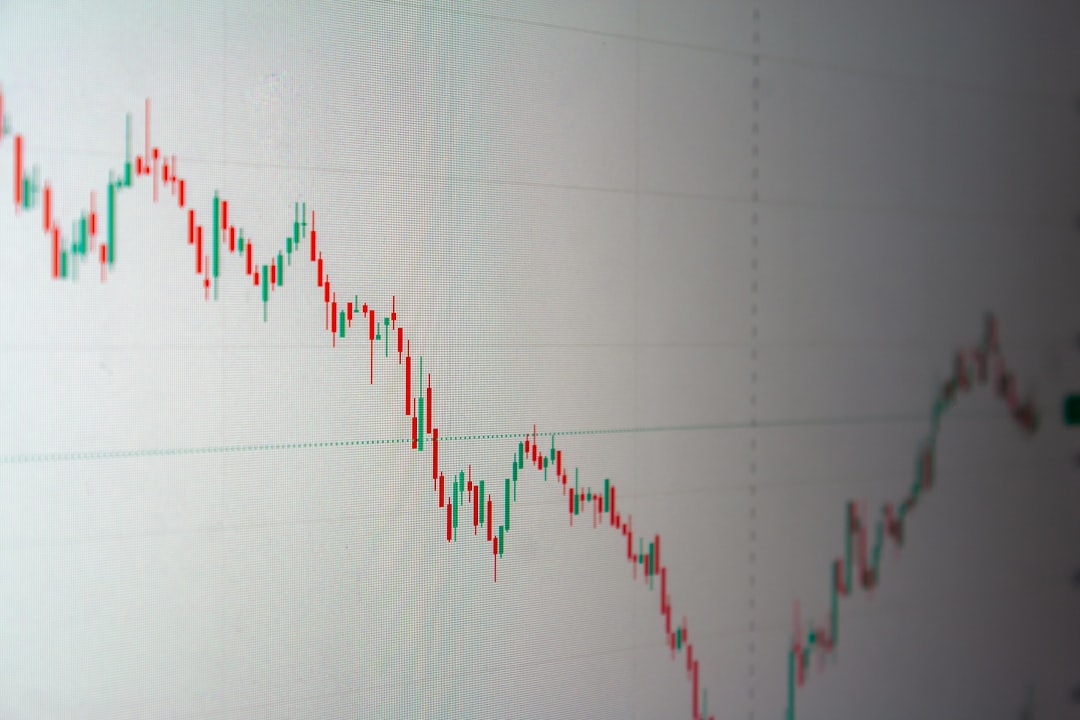
Nut Graph Last week, the Indian equity market experienced a seismic shift, with a staggering Rs 3.63 lakh crore evaporating from the valuation of its top 10 companies. This dramatic correction, led by titans like Reliance Industries and HDFC Bank, isn't just a blip on the financial radar; it signals deeper currents of global economic anxiety and domestic investor caution that could reshape investment strategies and impact the broader economy for months to come.
Key Takeaways
-
Indian equity markets collectively lost Rs 3.63 lakh crore from their top 10 most valued firms in a single week.
-
Reliance Industries, HDFC Bank, and Bharti Airtel were identified as the most significant individual contributors to this market downturn.
-
The sell-off is primarily attributed to a confluence of global economic uncertainties and escalating geopolitical tensions.
-
This correction highlights growing investor caution, prompting profit-booking even in fundamentally strong Indian equities.
-
While challenging for current holders, the downturn may present strategic opportunities for long-term investors seeking value.
Main Analysis: Unpacking the Great Indian Sell-Off
The Indian equity market, a barometer of the nation's economic health and investor sentiment, witnessed a tumultuous period last week. A collective erosion of over Rs 3.6 lakh crore from the market capitalization of its top 10 most valued companies sent ripples of concern across the investment landscape. This significant downturn, an investigative look reveals, is a complex interplay of international pressures and domestic considerations.
The Giants Under Pressure At the forefront of this market correction were some of India's corporate behemoths. Reliance Industries Limited (RIL), a conglomerate with diverse interests spanning energy, retail, and telecom, bore the heaviest brunt, witnessing a substantial dip in its valuation. Following closely was HDFC Bank, one of the nation's largest private sector lenders, along with telecom major Bharti Airtel. These losses from market leaders disproportionately impact overall indices, reflecting a broad-based lack of confidence that extends beyond sector-specific issues.
The sheer scale of these losses – Rs 3.63 lakh crore in just five trading days – underscores the fragility of investor sentiment when faced with a cascade of negative news. While such corrections are a natural, albeit painful, part of market cycles, the rapid evaporation of wealth points to an underlying nervousness that deserves closer scrutiny.
Global Headwinds and Local Ripples The primary catalysts for this recent sell-off are largely external, echoing across global financial markets. Global economic uncertainties loom large, fueled by persistent inflation in major economies like the US and Europe, which necessitates aggressive interest rate hikes by central banks. These rate hikes, while aimed at cooling inflation, often dampen economic growth prospects and make emerging markets less attractive to foreign institutional investors (FIIs) who seek safer, higher-yielding assets elsewhere.
Furthermore, geopolitical tensions continue to cast a long shadow. The ongoing conflict in Ukraine, coupled with its ripple effects on commodity prices – particularly crude oil, a critical import for India – has exacerbated inflationary pressures and supply chain disruptions. Concerns over potential escalations in other regions also contribute to a risk-off sentiment globally, prompting FIIs to pull funds from volatile markets.

Beyond these global factors, domestic elements have also played a role. While the Indian economy remains resilient, domestic inflationary pressures, coupled with the Reserve Bank of India's (RBI) cautious stance on monetary policy, add to the uncertainty. Profit-booking by domestic institutional investors and retail participants, after a period of strong gains, further amplified the downward momentum, turning a correction into a more pronounced sell-off.
Investor Psychology and the Road Ahead The market downturn also highlights the powerful role of investor psychology. Fear can spread rapidly, leading to panic selling, even when fundamental valuations remain strong for many companies. For long-term investors, such corrections are often seen as opportunities to accumulate quality stocks at lower prices. However, for those with shorter horizons or higher leverage, the current volatility presents significant challenges.
Analysts at leading financial institutions suggest that while the immediate future might remain choppy, the underlying fundamentals of the Indian economy are robust. Sectors like infrastructure, renewable energy, and specific pockets of manufacturing continue to show promise. The key will be for investors to exercise prudence, conduct thorough research, and avoid reactive decisions.
Public Sentiment: A Mix of Concern and Opportunity "It's certainly unsettling to see such big numbers disappear in a week," remarked Meena Sharma, a small-scale investor from Mumbai. "You start to question if your retirement savings are safe." This sentiment of anxiety is widely shared among retail investors, many of whom are grappling with the sudden erosion of their portfolio values.
However, a different perspective emerges from seasoned market watchers. "Corrections are healthy; they weed out exuberance and allow for a re-evaluation of true worth," commented market veteran Rajesh Gupta. "For those with a long-term view and dry powder, this is precisely when opportunities arise to pick up fundamentally sound businesses at a discount." Despite the diverse opinions, there's a palpable sense of vigilance, with investors keenly monitoring global cues and domestic policy responses.
Conclusion The recent market sell-off, which saw India's top firms shed a staggering Rs 3.63 lakh crore, serves as a potent reminder of the interconnectedness of global finance. While external pressures from geopolitical tensions and economic uncertainties were the primary drivers, domestic factors amplified the impact. As "Rusty Tablet" continues its investigative watch, the message for investors is clear: navigate these turbulent waters with diligence, focus on long-term value, and understand that volatility, while unsettling, is an inherent part of the market journey.