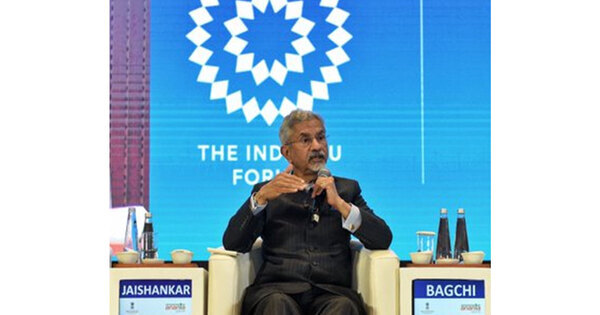
The ink is barely dry on the India-EU Free Trade Agreement (FTA), yet its reverberations are already signaling a profound shift in global economic and strategic calculus. External Affairs Minister S Jaishankar's declaration that the FTA is a 'game changer' is not hyperbole; it's an astute recognition of a deal that extends far beyond preferential tariffs, laying a robust foundation for a modern, multifaceted partnership between India and the European Union.
Key Takeaways:
-
Strategic Game Changer: The FTA is positioned as a pivotal development not just for economic integration but for a broader strategic partnership encompassing defense, security, climate, and technology.
-
Unprecedented Economic Potential: With a combined market estimated at over USD 24 trillion and two billion people, the agreement unlocks vast opportunities, ensuring preferential market access for over 99% of India's exports.
-
Sectoral Boost: Immediate duty elimination in labor-intensive sectors like textiles, leather, gems, and spices, alongside significant gains in services, agriculture, and mobility for professionals.
-
Rules-Based Modernity: Designed as a contemporary, rules-based partnership, the FTA addresses global challenges while providing a stable environment for long-term investments, especially for MSMEs.
-
Geopolitical Alignment: The agreement underscores a deeper ambition to emerge as each other's major economic partners, fostering innovation, protecting livelihoods, and building a resilient, future-ready partnership amid global uncertainties.
A New Economic Nexus Emerges
The sheer scale of the India-EU FTA is staggering. Combining the world's fourth and second-largest economies, it forms a market estimated at over USD 24 trillion. This isn't just about moving goods; it's about integrating two vast economic ecosystems. The agreement is designed to deliver preferential market access for more than 99 percent of India's exports by trade value, a figure that dramatically boosts the competitiveness of Indian industries.

Conversely, India is offering duty elimination or reduction on 92.1 percent of its tariff lines, covering 97.5 percent of EU exports, signaling a reciprocal commitment to open markets and foster growth.
What truly distinguishes this FTA is its meticulous design for contemporary global challenges. It's a modern, rules-based partnership that seeks to provide stability and predictability – critical factors for businesses, particularly India's MSMEs, looking to integrate into European value chains. The immediate elimination of duties on labor-intensive sectors like textiles, leather, footwear, and gems and jewelry – worth over USD 33 billion in exports – is a direct injection of competitiveness that will drive job creation and economic vitality across India.
Beyond Tariffs: A Strategic Partnership
Jaishankar's comments at the India-EU Forum highlight the profound strategic dimensions of this pact. This isn't merely a transaction of goods and services; it's a strategic enabler. By flagging 'other dimensions that hold great potential, including security, defence, climate, technology and talent flows,' he underscores a deeper ambition. The FTA serves as an economic bedrock upon which a more comprehensive geopolitical alignment can be built. In a multipolar world characterized by shifting alliances and economic nationalism, a robust, predictable partnership between democratic giants like India and the EU acts as a vital counterweight, fostering stability and shared prosperity. This agreement strengthens the resolve to combat climate change through cooperation and fosters technological collaboration, positioning both entities at the forefront of innovation.
Sectoral Triumphs and Careful Safeguards
The granular details of the FTA reveal carefully negotiated wins across a spectrum of sectors. India has secured preferential access across 97 percent of tariff lines, with immediate duty elimination for 70.4 percent of these, notably in textiles, leather, tea, coffee, spices, and marine products. This targeted approach ensures that sectors crucial for India's employment and export growth receive an immediate boost.

In services, the EU has offered broader commitments across 144 sub-sectors, including IT/ITeS, professional services, and education, aligning with India's strengths as a global service provider. India, in turn, has opened 102 sub-sectors covering EU priorities such as telecommunications and financial services.
Crucially, the agreement also demonstrates a prudent approach to safeguarding sensitive sectors. India has preserved policy space for areas like dairy, cereals, poultry, and soymeal, ensuring that domestic industries are not unduly disrupted. This balance between opening markets and protecting strategic interests is a hallmark of a mature and well-negotiated agreement.
Mobility and Modernity: People and Ideas
Beyond goods and services, the FTA profoundly impacts the movement of people and ideas. A robust mobility framework for Indian professionals, including intra-corporate transferees and contractual service suppliers, promises to unlock new avenues for talent exchange. The commitment to conclude social security agreements within five years further professionalizes this exchange. Significantly, Indian traditional medicine practitioners will gain greater access to provide AYUSH services in EU member states, recognizing India's rich heritage in wellness. Moreover, strengthened intellectual property protections, aligned with TRIPS, and the recognition of India's Traditional Knowledge Digital Library (TKDL) signal a modern approach to valuing and protecting innovation and cultural heritage.
A Bold Bet in Uncertain Times
In an era marked by supply chain disruptions, protectionist tendencies, and geopolitical fragmentation, the India-EU FTA stands as a bold declaration of commitment to open, rules-based trade and cooperation. It offers a stable and predictable environment, enabling businesses to plan long-term investments and integrate into global value chains with confidence. Jaishankar's call for 'more conversations and greater convergences' underscores the ongoing journey this FTA represents – a dynamic process of building a resilient, future-ready partnership that positions India and the EU as preferred economic and strategic partners for decades to come. This is not just about today's trade figures; it's about shaping the geopolitical and economic landscape of tomorrow.