Key Takeaways
-
Extensive Subpoena Use: DHS has reportedly deployed hundreds of subpoenas targeting anonymous online accounts critical of ICE.
-
Freedom of Speech Concerns: This action challenges the long-standing right to anonymous speech, a cornerstone of protest and dissent.
-
Tech Company Dilemma: Technology firms face a complex balancing act between user privacy commitments, legal obligations, and potential public backlash.
-
Potential "Chilling Effect": The threat of unmasking could discourage legitimate online criticism and reduce digital civic engagement.
-
Evolving Legal Landscape: The situation underscores the ongoing tension between national security imperatives and digital civil liberties, requiring robust legal and ethical frameworks.
The Scope of the Subpoenas: A Digital Dragnet
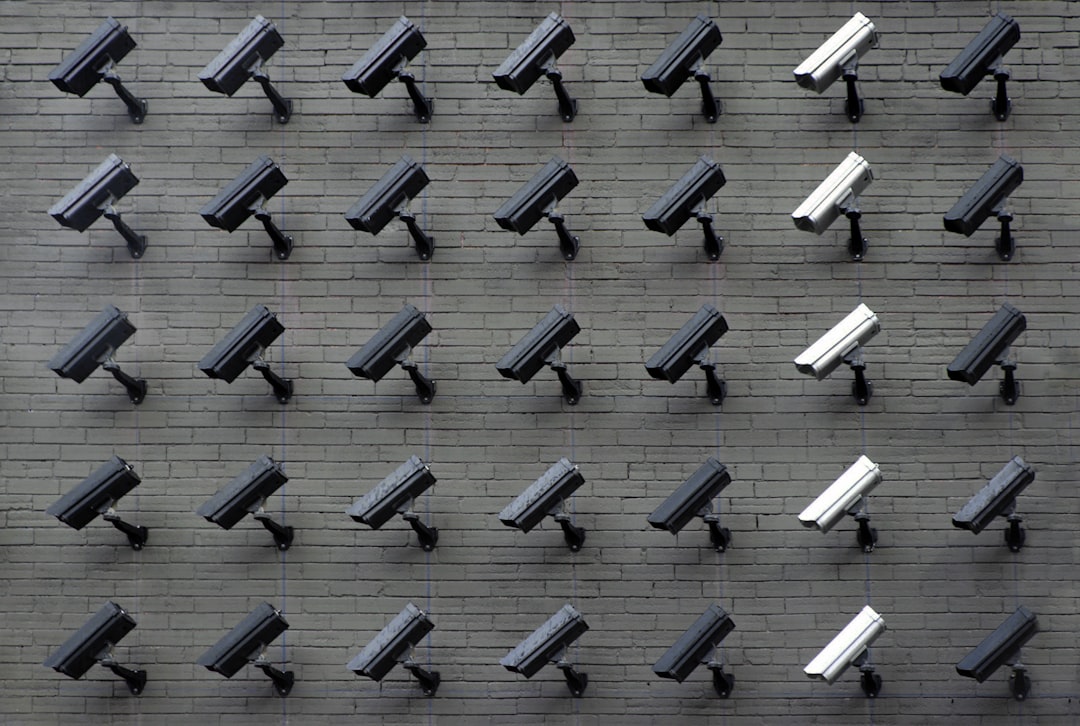
Reports indicate a significant escalation in DHS’s efforts to identify the individuals behind online accounts that voice criticism, particularly those directed at ICE operations. The issuance of "hundreds" of subpoenas suggests a broad, systemic approach rather than targeted investigations into specific threats. These legal instruments compel tech companies – from social media giants to smaller hosting providers – to disclose personal identifying information associated with the accounts in question. This often includes names, email addresses, IP logs, and even content, effectively stripping away the layer of anonymity that users often rely upon for sensitive political speech.
The sheer volume of these requests signals a potential shift in how government agencies approach online dissent. Historically, such aggressive tactics were often reserved for cases involving imminent threats, criminal activity, or national security emergencies. Applying them to general criticism, even if robust or polemical, blurs the lines between legitimate law enforcement and the monitoring of political expression. This has profound implications for how citizens perceive and engage with government bodies online.

Legal Precedents and Protections: The Right to Anonymous Speech
The right to speak anonymously is deeply rooted in American jurisprudence, stemming from First Amendment protections for freedom of speech and association. Landmark Supreme Court cases like NAACP v. Alabama (1958) established that anonymity can be crucial for individuals to express unpopular views without fear of retaliation or harassment. In the digital age, this principle has been extended to online speech, where courts have often required a high legal threshold – typically showing actual harm or illegality – before an anonymous speaker can be unmasked.
The argument often hinges on whether the speech in question constitutes defamation, harassment, incitement to violence, or other unprotected categories. Mere criticism, even harsh criticism of government policy or agencies, is generally protected speech. DHS’s reported actions, by seeking to identify individuals solely for critical commentary, challenge these established protections and invite legal scrutiny regarding whether due process and First Amendment standards are being met. Civil liberties groups are likely to highlight the lack of a clear, compelling state interest that outweighs the fundamental right to speak anonymously.
Tech Companies' Quandary: Balancing Privacy and Compliance
For technology companies, these subpoenas present a thorny ethical and legal dilemma. On one hand, they are bound by legal obligations to comply with valid government orders. On the other, they have a vested interest in protecting user privacy, maintaining user trust, and upholding their own terms of service, which often include provisions safeguarding free expression. Many companies publish transparency reports detailing government requests for user data, offering a glimpse into the scale of such demands.
The decision to comply, challenge, or negotiate with government agencies carries significant weight. Challenging a subpoena can be costly and time-consuming, but compliance without due diligence risks alienating users and inviting accusations of complicity in surveillance. Companies are often faced with a judgment call: is the government’s request overly broad? Does it meet the legal standards for piercing anonymity? Their responses in these instances play a critical role in shaping the future of digital privacy and free speech.
The "Chilling Effect": Silencing Dissent
Perhaps the most insidious potential consequence of DHS’s reported actions is the "chilling effect" it could have on online discourse. When individuals believe that expressing critical opinions, especially anonymously, could lead to government investigation or identification, they are likely to self-censor. This fear can suppress legitimate political speech, stifle robust debate, and ultimately undermine the very democratic principles that anonymity is designed to protect.
The target – criticism of ICE – is particularly sensitive, given ongoing national conversations about immigration policy, border enforcement, and human rights. If individuals feel they cannot safely voice concerns or organize opposition without fear of reprisal, it diminishes the capacity for public oversight and accountability of government agencies. This chilling effect extends beyond individual users; it can deter journalists, activists, and whistleblowers from using digital platforms for legitimate, protected activities.
Public Sentiment: A Divide on Surveillance and Rights
The news of DHS’s subpoena practices has ignited a predictable debate across various segments of the public.
-
Civil Liberties Advocates: "This represents a severe overreach by government agencies, chilling protected speech and eroding fundamental privacy rights. Anonymity is not a shield for crime but a bulwark for dissent."
-
Privacy Rights Organizations: "Tech companies must stand firm against these broad demands. User trust is paramount, and capitulating to dragnet surveillance undermines the integrity of online platforms."
-
Government Oversight Watchdogs: "Transparency is crucial. The public has a right to know the scope and justification for such extensive data requests. Without it, accountability is impossible."
-
Proponents of Strong Enforcement (hypothetical, synthesized): "Homeland Security has a mandate to protect national security. If online activity poses a threat or aids illegal actions, investigators must have the tools to identify those involved."
These sentiments underscore the complex societal tension between security imperatives and the protection of individual liberties in the digital age.
Conclusion: Navigating the Digital Frontier of Rights
The reported surge in DHS subpoenas targeting anti-ICE accounts marks a critical juncture in the ongoing struggle to define the boundaries of government power in the digital realm. While agencies like DHS are tasked with safeguarding national security, these actions raise profound questions about the sanctity of anonymous speech, the role of technology companies as arbiters of privacy, and the potential for a chilling effect on legitimate political discourse.
As "Rusty Tablet" has consistently highlighted, the digital frontier demands not just technological innovation but also robust legal and ethical frameworks that protect civil liberties while addressing legitimate security concerns. The outcome of this particular pressure campaign will undoubtedly set precedents for how governments interact with online platforms and, more importantly, with the fundamental rights of citizens to express themselves freely and, when necessary, anonymously. The balance between security and liberty remains a perpetual and increasingly digital challenge.