The global food delivery landscape, once celebrated solely for its convenience, has matured into a fiercely competitive arena. Initial disruptors, including Grubhub, Swiggy, and Zomato, carved out significant market shares by bridging the gap between hungry consumers and countless kitchens. However, this success came at a cost: wafer-thin margins, escalating customer acquisition expenses, and an increasing dependence on aggressive discounting that often left restaurants feeling squeezed. The model, reliant on commissions and volume, inherently struggled with true customer loyalty, as diners often flitted between platforms based on the best offer or fastest delivery. This transactional dynamic has left platforms and restaurants alike searching for a more sustainable, sticky relationship. In India, this battle is even more pronounced, with aggregators frequently diversifying into groceries and other quick commerce segments, hinting at the limitations of the core food delivery model.
Key Takeaways:
-
Strategic Pivot: Grubhub's acquisition of Claim is a strategic pivot towards owning customer loyalty, moving beyond mere delivery logistics.
-
Restaurant Empowerment: The deal aims to provide restaurants with robust customer acquisition and retention tools, challenging the traditional aggregator model.
-
Indian Market Implications: This global trend has significant implications for Indian food tech giants (Zomato, Swiggy), forcing them to reassess their loyalty strategies.
-
Direct Control: The shift could empower restaurants by giving them more direct control over their customer relationships, potentially reducing reliance on aggregator discounts.
-
Increased Competition: Expect heightened competition and innovation in loyalty programs across the food delivery ecosystem, both globally and in India.
Claiming Loyalty: Grubhub's Proactive Strike at the Heart of Engagement
Grubhub's parent company's acquisition of Claim isn't merely a strategic expansion; it's a profound statement of intent. Claim isn't just another rewards platform; it's designed to equip restaurants with sophisticated customer acquisition and retention tools. Think beyond simple punch cards: Claim integrates directly with a restaurant’s operations, enabling them to identify their most valuable customers, craft personalized offers, and cultivate genuine loyalty independent of an aggregator’s blanket promotions. For Grubhub, this means a deeper, stickier engagement with both its restaurant partners and its diners. Diners receive targeted rewards, while restaurants gain valuable data and a direct channel to foster repeat business. This move transforms Grubhub from a logistics provider to a strategic partner, offering restaurateurs the arsenal to build their own brand equity, a crucial missing piece in the current aggregator-dominated paradigm.
[VISUAL_1]
The India Angle: A Blueprint for Battle or a Distant Echo?
The reverberations of this acquisition are keenly felt, albeit indirectly, in the bustling food tech markets of India. Swiggy and Zomato, titans of the Indian delivery space, have already invested heavily in their own loyalty programmes – Swiggy One and Zomato Gold being prime examples. However, these are predominantly consumer-centric, focusing on discounts and perks from the platform. Claim's model, by contrast, is restaurant-empowering. It raises a critical question for Indian aggregators: are their loyalty offerings sufficiently robust to provide restaurants with true ownership of their customer relationships? Or are they merely another layer of platform-controlled incentives? The Indian market, characterized by its price sensitivity and fierce competition, is ripe for innovation in this space. If local restaurants, from the smallest dhaba to the largest chain, can see clear value in building direct loyalty through a platform's tools, it could fundamentally shift allegiances and demand more from existing aggregators. This acquisition serves as a global precedent, urging Zomato and Swiggy to either innovate rapidly or risk seeing a crucial competitive edge develop elsewhere.
Empowering the Restaurateur: A Double-Edged Samosa
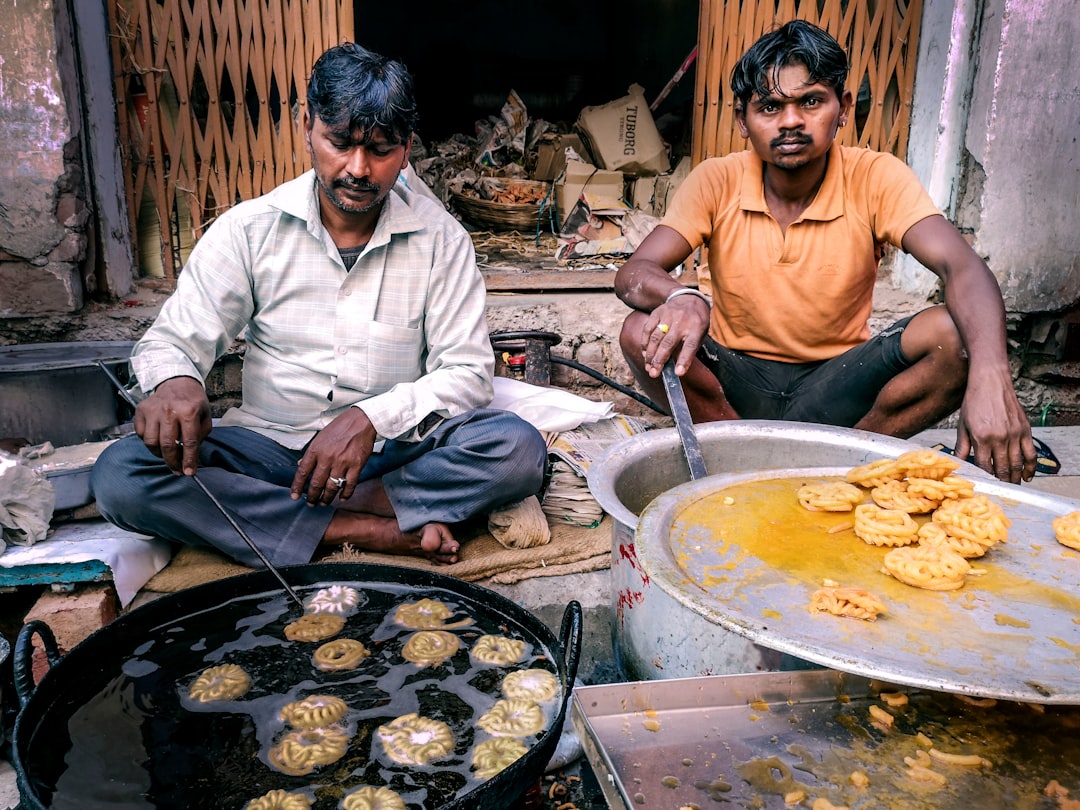
On the surface, Claim’s proposition for restaurants is incredibly appealing: tools to acquire new customers and, more importantly, retain existing ones. This promises to free them from the endless cycle of discounted orders and high commission fees, allowing them to cultivate a loyal patron base directly. For many restaurateurs, particularly the smaller, independent establishments that constitute the soul of India’s culinary scene, this could be a lifeline. Imagine a local eatery in Bengaluru or Delhi, able to send personalized offers to its regulars, track their preferences, and build a community around its unique offerings, rather than being just another listing on an app.
However, like a perfectly crisp samosa that might conceal an an overly spicy filling, there’s a nuanced skepticism to be considered. Will Grubhub truly relinquish control and empower restaurants with all the data and direct access, or will Claim’s integration merely add another layer of platform dependency? Will smaller restaurants, often operating on shoestring budgets and limited digital literacy, have the resources and expertise to fully leverage these sophisticated tools? Or will it primarily benefit larger chains with dedicated marketing teams, further exacerbating the competitive imbalance? The true empowerment lies not just in offering the tools, but in ensuring their equitable and effective adoption across the diverse restaurant ecosystem.
Public Sentiment:
-
"This is exactly what the industry needed – a pivot towards sustainable restaurant partnerships rather than just transactional deliveries. Finally, a recognition that empowering eateries fosters loyalty for everyone involved." – Anuj Kapoor, Restaurant Consultant, Mumbai
-
"While it's a global move, the implications for Zomato and Swiggy are clear. They've built strong consumer brands, but if they don't offer deeper, restaurant-centric loyalty solutions, they might find their partners looking for alternatives that truly help them grow their own customer base." – Priya Singh, Food Tech Analyst, Bengaluru
-
"Skeptical but hopeful. Many tech solutions promise to 'empower' small businesses, but often they just add another cost or complexity. If Claim truly simplifies customer retention for my biryani shop without taking a huge chunk, I’m all for it. Otherwise, it's just more noise." – Mohan Lal, Owner, Lal’s Biryani House, Delhi
-
"The game is shifting from pure acquisition to intelligent retention. Grubhub's move with Claim is a masterstroke in understanding the long-term value of a loyal customer base for both the platform and its partners. India's aggregators need to take note and adapt quickly." – Dr. Rina Das, Professor of Digital Commerce, IIM Bangalore
Conclusion:
Grubhub's acquisition of Claim marks a pivotal moment in the evolution of the food delivery industry. It signifies a strategic reorientation, moving beyond the transient allure of quick convenience and aggressive discounting towards the enduring power of customer loyalty and empowered restaurant partnerships. While the immediate impact is on Grubhub's ecosystem, its ripple effects are bound to be felt globally, particularly in dynamic and competitive markets like India. Zomato and Swiggy, for all their dominance, must now critically assess their own loyalty frameworks. The future of food tech will likely be defined not just by who delivers fastest, but by who builds the strongest, most mutually beneficial relationships between platforms, restaurants, and diners. The race for true loyalty, for both the aggregator and the restaurateur, has truly begun. And in this race, the tools to nurture direct customer relationships might just be the ultimate differentiator.