
Talks between Denmark and the United States over Greenland have hit a brick wall, with Copenhagen reporting a 'fundamental disagreement' after President Trump once again mentioned his desire to buy the vast, ice-covered island. This isn't a typical diplomatic spat; it's a fascinating look into differing worldviews on what a nation's territory means, and whether everything has a price tag.
Key Takeaways
-
Persistent Interest: The U.S. remains keen on Greenland, despite Danish rejections.
-
Sovereignty First: Denmark firmly believes Greenland is not for sale, viewing it as an integral part of its kingdom.
-
Strategic Value: Greenland holds significant strategic and resource importance, especially in the Arctic.
-
Diplomatic Divide: The disagreement shows a clear difference in how the two nations approach international relations and territorial integrity.
The Unusual Proposal: A Modern Day Land Grab?
In an age where nations typically engage through trade, alliances, and cultural exchange, the idea of one powerful country openly trying to purchase a territory from another feels like something out of history books. President Trump's repeated interest in Greenland, describing it as strategically important, has puzzled many.
For most countries, including India, the idea of selling off a part of one's homeland, no matter how remote, is unthinkable. It challenges the very idea of national pride and a country's boundaries. This isn't merely a real estate transaction; it touches upon deep emotional and historical ties.
Denmark's Unwavering 'No'
Denmark has been clear: Greenland is not for sale. The island is an autonomous territory within the Kingdom of Denmark, meaning it has a high degree of self-governance. While Denmark handles its foreign affairs and defence, the people of Greenland have a strong say in their own future.
To Denmark, the proposal isn't just an offer; it's an insult to their sovereignty and to the identity of the Greenlandic people. Imagine someone trying to buy a part of your country's heritage – the reaction would likely be just as firm. This 'fundamental disagreement' stems from two very different starting points: one sees a potential asset, the other sees an unbreakable bond.
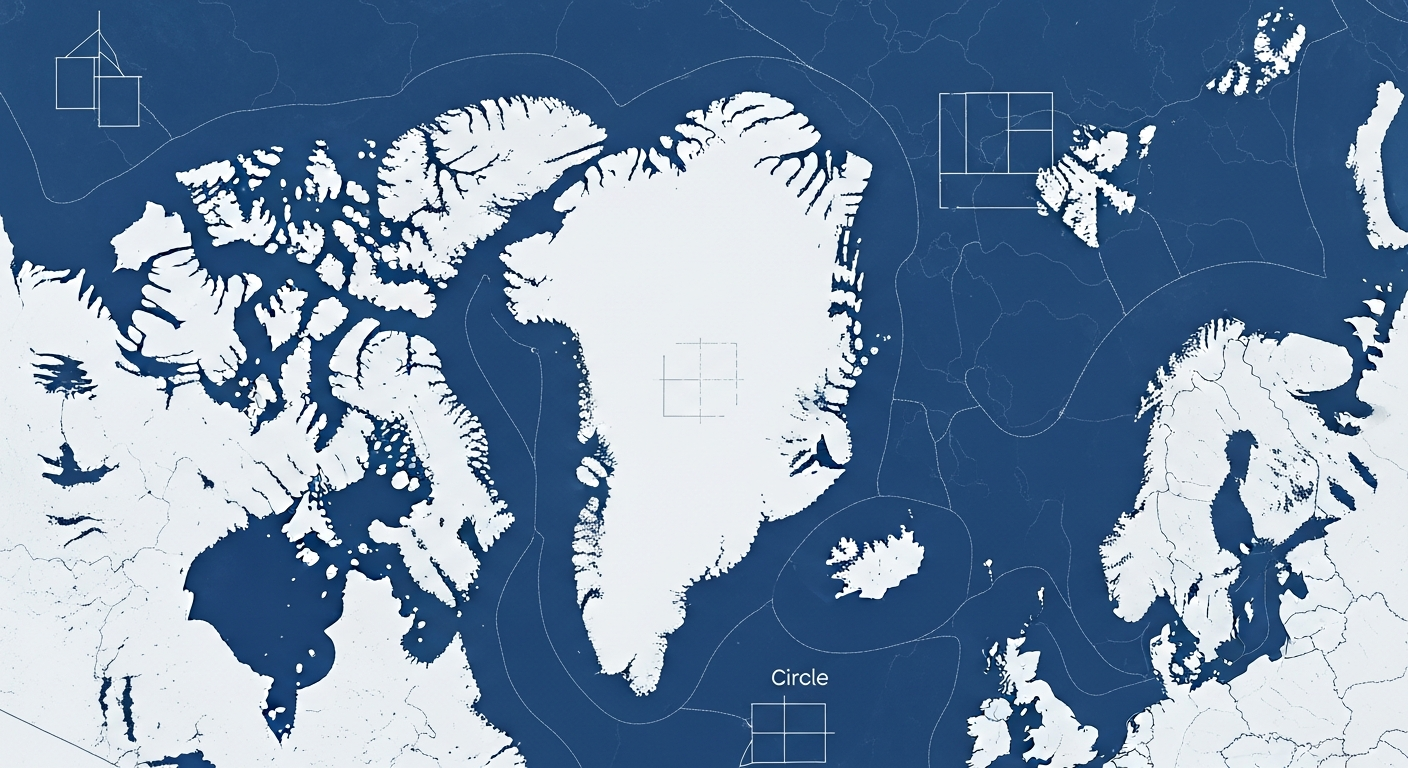
Greenland: More Than Just Ice
So, why all this fuss over an island largely covered in ice? Greenland's importance goes far beyond its chilly exterior. It's strategically located in the Arctic, a region becoming increasingly vital due to climate change opening up new shipping routes and access to untapped natural resources like rare earth minerals.
For the U.S., controlling Greenland could enhance its presence in the Arctic, giving it a crucial vantage point for military and scientific operations. It’s about projecting power and securing future interests in a rapidly changing world. However, this desire clashes directly with Denmark's existing control and Greenland's self-determination.

The Psychology Behind the Disagreement
This situation offers a fascinating psychological study in international relations. From one side, there's a leader known for his business background, perhaps viewing territories as assets that can be acquired if the price is right. From the other, there's a nation rooted in centuries of history and democratic values, where sovereignty is a sacred, non-negotiable principle.
The 'disagreement' isn't just about money or land; it's about different understandings of respect, national identity, and the very nature of diplomacy. It highlights how transactional approaches can run into deeply held cultural and political beliefs.
Public Sentiment: Puzzled and Proud
Globally, the reaction has been a mix of amusement, surprise, and sometimes indignation. Many Danes expressed confusion and a strong sense of pride, reiterating that their territory is not a commodity. For the people of Greenland, the discussion can feel like a disregard for their wishes and right to self-determination.
Online forums and news comments from various countries, including India, reflected a sentiment of bewilderment. "You can't just buy countries anymore," one user commented, while another highlighted, "It shows how different leaders view the world – some see deals, others see dignity."
Conclusion: A Lesson in Sovereignty
The talks over Greenland serve as a powerful reminder that in the complex world of international relations, not everything can be bought or sold. While strategic interests are important, the deep-seated principles of national sovereignty, historical ties, and the self-determination of people remain paramount.
Denmark's firm stance underscores that some values are simply non-negotiable. The 'fundamental disagreement' isn't a failure of talks; it's a reaffirmation of a nation's right to its own identity and territory, a lesson that resonates globally.