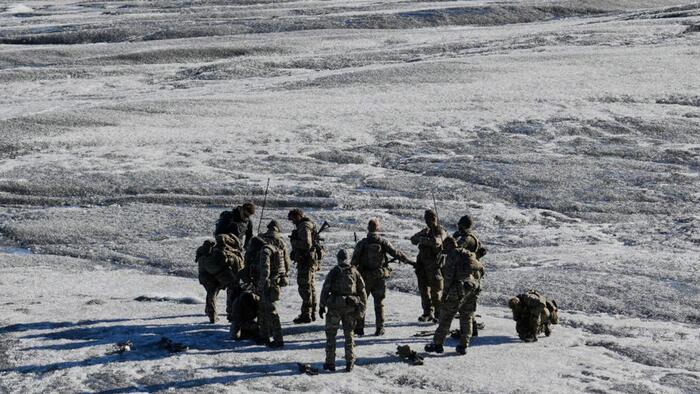
President Trump's recent declarations regarding Greenland have ignited a diplomatic firestorm, prompting a rapid, coordinated response from key European allies. His Friday remarks, which left no doubt about his willingness to pursue Greenland by the "hard way" if necessary, sent shockwaves across NATO and galvanized a bloc of European nations into action.
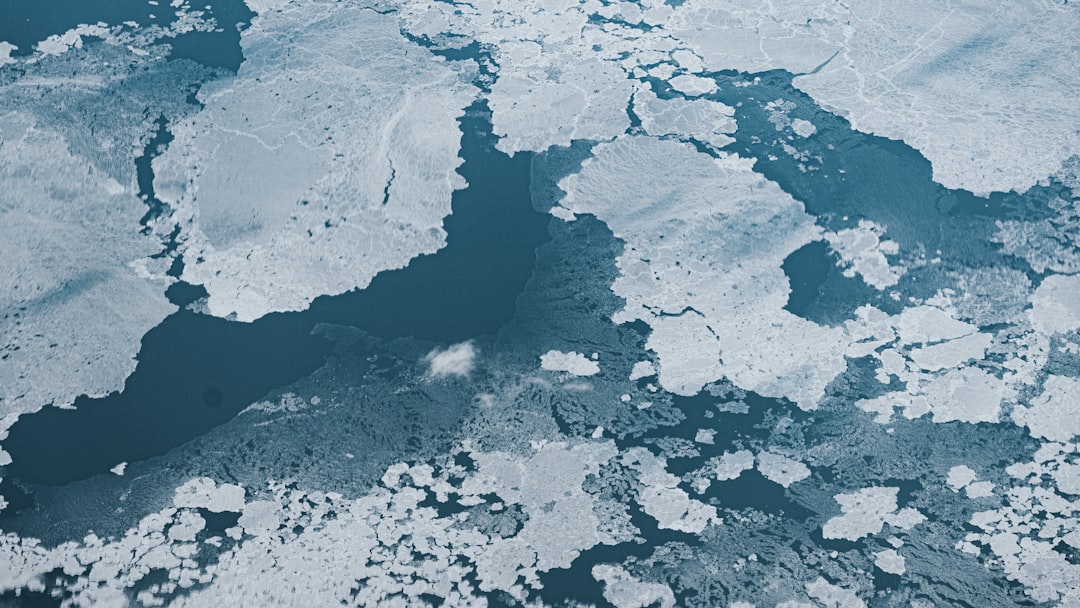
"I'm not talking about money for Greenland yet. I might talk about that. But right now we are going to do something on Greenland, whether they like it or not," the President stated, adding a stark ultimatum: "I would like to make a deal. You know, the easy way. But if we don't do it the easy way, we're going to do it the hard way."
Key Takeaways:
-
President Trump's threats to take control of Greenland by force have triggered a diplomatic crisis within NATO.
-
The UK, Germany, and France are spearheading a proposal for a new joint NATO mission focused on Arctic security.
-
This European initiative aims to de-escalate US aggression, appease Trump's strategic concerns, and reinforce European commitment to the region.
-
Denmark has issued a firm warning, stating that a US military move on Greenland would signify the collapse of NATO.
-
The outcome remains uncertain: will Trump view this as a viable off-ramp, or a ploy to undermine his objectives?
The European Counter-Offensive: An Arctic NATO Mission
In the immediate wake of Trump's uncompromising stance, European leaders have moved swiftly to formulate a counter-strategy. As Bloomberg reports, a consortium of European countries, with the UK and Germany at the forefront, is now discussing plans for a significant military presence in Greenland. This initiative is designed not merely as a defensive measure, but as a direct message to Washington: Europe takes Arctic security seriously and is prepared to act decisively.
At the heart of this strategy is a proposal from Germany to establish a joint NATO mission dedicated to safeguarding the Arctic. This plan has garnered crucial backing from Britain, with UK Prime Minister Keir Starmer having already called for allied nations to enhance their security footprint in the far north. Preparatory discussions have reportedly taken place between Starmer, German Chancellor Friedrich Merz, and French President Emmanuel Macron, signaling a united front.
The urgency of this diplomatic push will be underscored when German Foreign Minister Johann Wadephul meets with US Secretary of State Marco Rubio this week. Wadephul's Sunday statement articulated the European perspective: "Because security in the Arctic is becoming increasingly important, I also want to discuss on my trip how we can best bear this responsibility in NATO -- in view of old and new rivalries in the region by Russia and China -- together." He emphasized the collective desire: "We want to discuss this together in NATO."
This proposed mission is a clear attempt to provide President Trump with an "off-ramp," offering a NATO-backed solution to his stated concerns about rival powers like Russia and China gaining influence in the strategically vital Arctic. By preemptively addressing Trump's primary geopolitical justification—that "If we don't do it, Russia or China will take over Greenland"—European allies hope to defuse the immediate threat of a unilateral US intervention.
Denmark's Unwavering Red Line
Amidst the frantic diplomatic activity, Denmark, as the sovereign nation over Greenland, has drawn a clear and unequivocal red line. Danish Prime Minister Mette Frederiksen responded firmly to the US threats, declaring that a scenario involving a US military move on Greenland would represent nothing less than the "collapse of NATO."
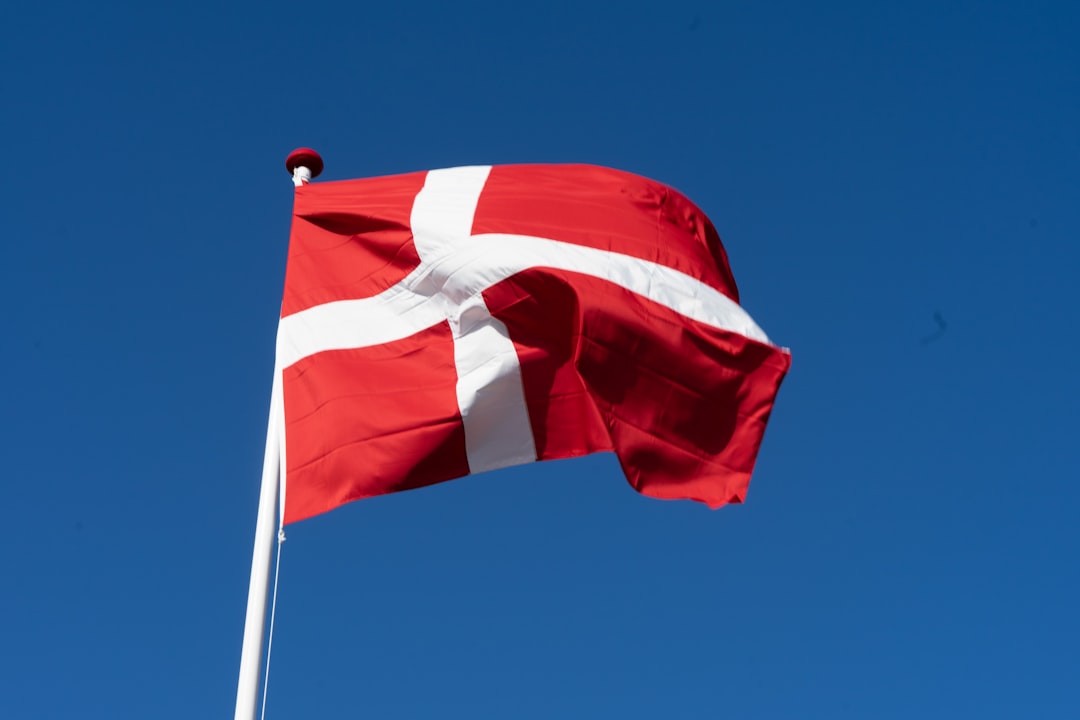
Frederiksen's remarks were stark: "If the United States were to choose to attack another NATO country, then everything would come to an end." She elaborated on the profound implications, stating, "The international community as we know it, democratic rules of the game, NATO, the world's strongest defensive alliance - all of that would collapse if one NATO country chose to attack another." This stance highlights the unprecedented nature of Trump's threats and the existential crisis they pose to the alliance.
Public Sentiment and the Greenlandic Equation
Beyond the high-stakes diplomatic maneuvers, the ethical implications of a potential US takeover resonate deeply. Frederiksen's strong defense of international norms, while pertinent, carries an ironic undertone for many observers. As one commentator noted, "The Danish PM missed the irony in the fact that country after country that refused to play by the so-called 'democratic rules of the game' got bombed or overthrown by NATO and the West - with Afghanistan, Libya, Syria, Iran and others lying in ruins and societal fragmentation." This sentiment points to a broader disillusionment with the selective application of international law.
For the citizens of Greenland, currently full citizens of Denmark and the European Union, the prospect of US sovereignty presents a complex choice. While many might not readily trade their current status, the idea of a massive single sum payout, such as the suggested $1 million per Greenlander, could be profoundly attractive to a population facing unique economic and social challenges. This monetary incentive, while a "creative solution," underlines the transactional nature of the US proposition and its potential impact on local allegiances.
Conclusion: An Uncertain Resolution
The coming days will be pivotal for transatlantic relations and the future of Arctic security. Europe's coordinated proposal for a joint NATO mission represents a significant effort to de-escalate tensions and offer President Trump an honorable exit from his confrontational stance on Greenland. It shrewdly leverages his own justifications for intervention, presenting a collective solution to the perceived threats from Russia and China.
However, the question remains whether the White House will embrace this as a genuine off-ramp, or if Trump will interpret it as a ploy to co-opt his momentum and assert European autonomy. The outcome will not only determine the fate of Greenland but also serve as a crucial test of NATO's resilience and the capacity of its members to navigate unprecedented challenges to global stability.