Key Takeaways
-
Education as Empowerment: Senior judicial figures assert that education is the most effective tool for girls to resist and overcome societal superstitions and orthodox practices.
-
Persistent Practices: Despite governmental laws against social exclusion and superstitious practices, such traditions regrettably persist, particularly in rural India.
-
Implementation Gap: Existing government schemes and laws aimed at girls' development and safety, such as 'Beti Bachao Beti Padhao,' suffer from ineffective implementation.
-
Harmful Impact: Superstitious practices, often masked as tradition, negatively impact the mental, physical, and future well-being of girls.
-
Legal Ramifications: Forcing girls out of villages during menstruation or postnatal periods, and encouraging such practices, is illegal and subject to legal punishment.
The Persistent Shadow of Superstition in Rural India
In many parts of rural India, the dawn of the 21st century still struggles to fully penetrate the long-held shadows of superstition. Senior civil judge and District Legal Services Authority member secretary, GK Dakshayini, recently highlighted a stark reality: superstitions are frequently imposed on girls under the guise of tradition and divinity, inflicting significant psychological harm. Speaking at a legal awareness programme in Gopalapura village, she emphasized the critical role of education in equipping girls to challenge these societal norms.
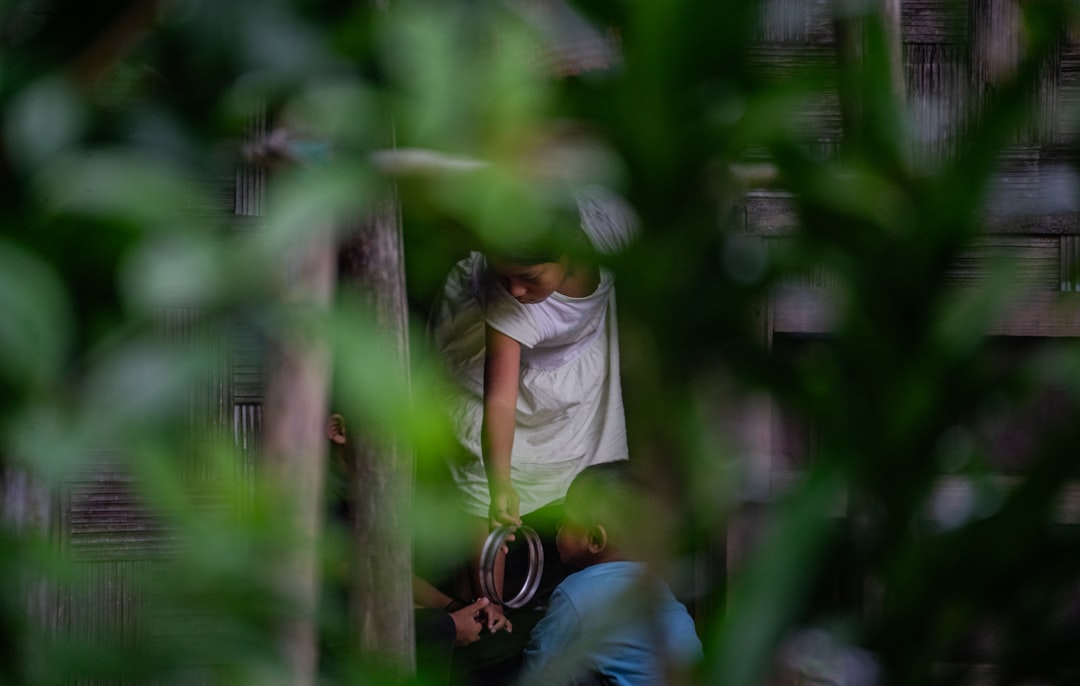
These practices, often deeply ingrained in cultural fabric, range from restrictions during menstruation to the perpetuation of archaic rituals that limit a girl's freedom and potential. Judge Dakshayini's observations underscore that while these traditions claim divine or ancestral authority, their true impact is a regressive hindrance to the mental and emotional development of young girls.
Government Initiatives: A Gap in Implementation
India has a robust legal framework and an array of government programmes designed to protect and empower girls. Acts such as the Prohibition of Child Marriage and the Prohibition of Superstitious Practices Act, alongside initiatives like 'Beti Bachao Beti Padhao' (Save the Girl Child, Educate the Girl Child), reflect a clear governmental intent. However, as both Judge Dakshayini and Kiran Kumar D Vadigeri, senior civil judge of Arasikere court, pointed out, the efficacy of these initiatives is severely undermined by a lack of effective implementation at the grassroots level.
Vadigeri noted that while schemes and special laws exist for the safety and self-reliance of girls, their poor execution means the intended benefits often fail to reach those who need them most. This gap between policy and practice allows harmful superstitions to persist, hindering not just mental and physical well-being, but also the future prospects of countless girls across rural landscapes.
Education: The Unshakeable Foundation for Change
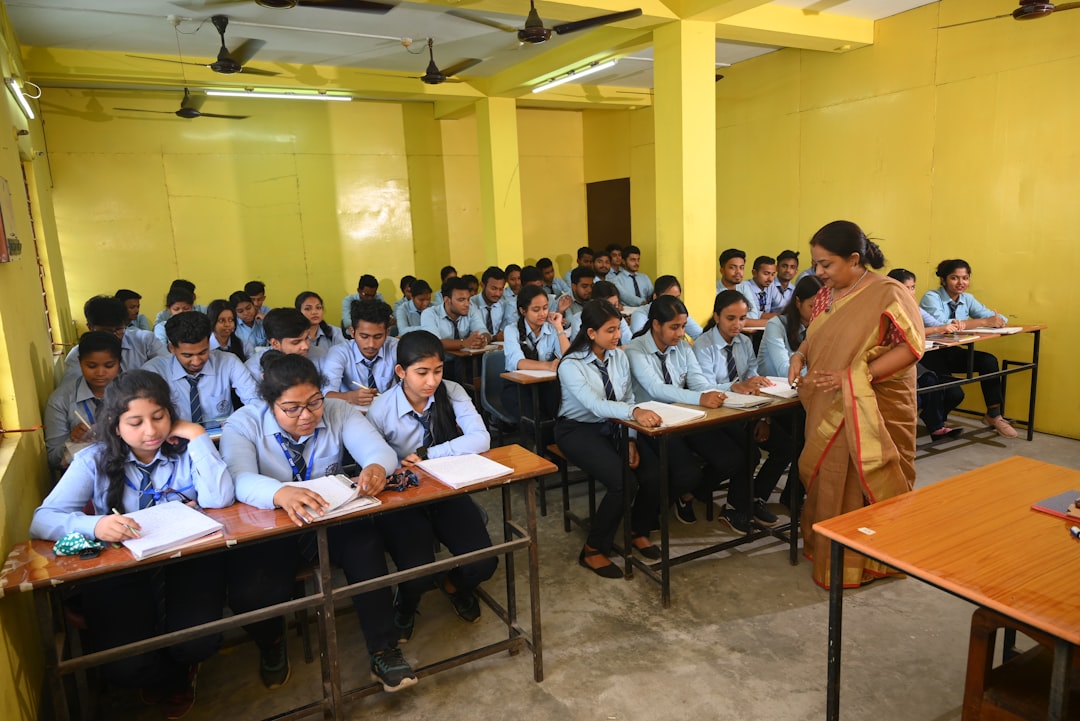
Both judicial voices converged on a singular, powerful solution: education. Judge Dakshayini asserted that an educated girl gains the strength to stand against patriarchal society, unorthodox practices, and the very superstitions that seek to bind her. This isn't merely about literacy; it's about fostering critical thinking, self-worth, and an understanding of one's rights. Education provides a lens through which girls can discern harmful traditions from beneficial cultural practices, empowering them to make informed choices for their lives.
Vadigeri further elaborated that educated individuals are uniquely positioned to eradicate these deeply rooted issues. They can become agents of change within their families and communities, challenging antiquated beliefs and advocating for a more progressive outlook. The long-term impact of an educated girl extends beyond her immediate self, fostering a ripple effect of empowerment that can transform entire communities.
Legal Scrutiny and Protection
The judges also delivered a stern warning regarding specific harmful practices. Forcing girls out of the village during menstruation or postnatal periods, for instance, was explicitly declared illegal. Furthermore, those who encourage or facilitate such exclusionary practices are equally subject to legal punishment. This legal clarity is crucial, providing a strong deterrent and a basis for intervention where such practices occur.
This aspect of the judiciary's message reinforces that while education is a preventative and empowering tool, the law remains a critical instrument for immediate protection and punitive action against those who violate basic human rights under the guise of tradition. The combination of legal enforcement and educational empowerment forms a robust defence for the girl child.
Public Sentiment
The judiciary, often a mirror to societal challenges, articulates a critical need for change in rural India that resonates with a growing public demand for reform. Senior Civil Judge GK Dakshayini encapsulates this sentiment, stating, "superstitions are practised on girls in the name of tradition and divinity, which negatively impacts their minds." This perspective reflects a broader societal fatigue with practices that actively harm and marginalize, rather than uplift.
Echoing this concern, Kiran Kumar D Vadigeri emphasizes that "superstitions in the name of tradition are not the right approach, as they hinder the mental, physical, and future well-being of girls." These judicial pronouncements serve as a powerful validation for countless individuals and organizations working on the ground to eradicate these issues, signaling that the legal system stands firmly on the side of progress and empowerment for the girl child.
Conclusion
The statements from Senior Civil Judges GK Dakshayini and Kiran Kumar D Vadigeri offer a clear roadmap for addressing the pervasive issue of superstitions in rural India. While government programmes like 'Beti Bachao Beti Padhao' are commendable in their intent, their effectiveness hinges entirely on rigorous, consistent implementation. Ultimately, the most sustainable solution lies in the robust promotion of girl child education. By empowering girls with knowledge and critical thinking skills, India can dismantle the chains of regressive traditions, fostering a generation of women who are not only self-reliant but also powerful catalysts for a more equitable and progressive society. The journey is long, but with education as its vanguard, the future for India's daughters promises to be brighter and freer.