Key Takeaways:
-
Trailer detachment incidents often highlight systemic failures in vehicle maintenance, load distribution, and regulatory enforcement.
-
Improper weight distribution is a primary cause of instability, with safety guidelines recommending 60% of the load over the trailer's front half.
-
The economic impact of road incidents extends beyond immediate damage, encompassing healthcare, productivity losses, and significant traffic disruptions.
-
A multi-faceted approach involving advanced technology, stringent oversight, continuous driver education, and public awareness is essential for mitigating these risks.
The De Rust Incident: A Microcosm
The event 6km outside De Rust on January 23, 2026, involving a Ford Everest and its detached trailer, while localized, resonates with a global pattern of preventable road incidents. Such occurrences, often dismissed as isolated accidents, are frequently symptomatic of underlying deficiencies in compliance, design, or education. That a Kimberley-registered vehicle's trailer separated and impacted another, even without severe injury, signifies a breach in operational safety that could easily have had catastrophic consequences. This incident prompts a necessary inquiry into the conditions allowing such equipment failure, moving beyond individual blame to systemic analysis.
The Mechanics of Trailer Detachment: Understanding Risks
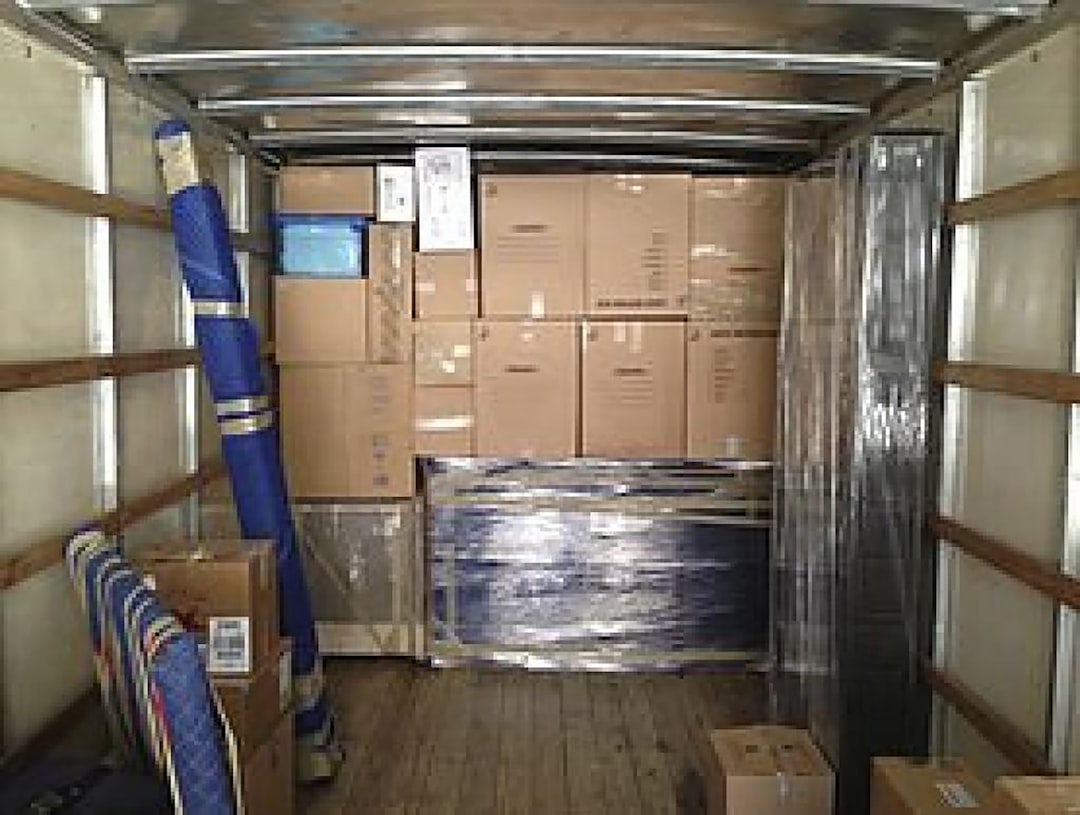
Trailer detachment is a consequence of identifiable factors, predominantly improper hitching, inadequate maintenance, or critically, incorrect load distribution. Industry best practices, as highlighted by safety organizations, advocate for a precise approach: "It is best to distribute 60% of the load over the front half of the trailer (nearest to the towing vehicle)." This principle is fundamental to maintaining optimal 'tongue weight' – the downward force exerted by the trailer coupler on the tow ball. Insufficient tongue weight can lead to dangerous trailer sway, overwhelming the towing vehicle's stability. Conversely, excessive tongue weight can overload the towing vehicle's rear axle, compromising steering and braking. The De Rust incident, wherein a trailer "came loose," points directly to a failure in adhering to these mechanical and operational fundamentals.
Regulation, Enforcement, and Driver Responsibility
Preventing trailer-related incidents relies on a robust framework encompassing stringent manufacturing standards, regular vehicle inspections, comprehensive driver training, and consistent enforcement. While regulations exist in most jurisdictions concerning trailer specifications and coupling devices, practical application and enforcement remain a challenge. Drivers, often operating under pressure or with insufficient knowledge, may overlook critical pre-trip checks for hitch security, tire pressure, and load balance. Furthermore, the varying quality of aftermarket parts can introduce additional vulnerabilities. This creates a complex ecosystem where a single point of failure can precipitate an accident.
Economic Implications of Road Incidents
Beyond the human cost, even incidents without serious injury carry significant economic repercussions. The De Rust collision, for example, would have incurred costs related to vehicle damage, emergency services deployment, potential medical evaluation, and inevitable traffic delays. On a broader scale, road accidents contribute substantially to national economic burdens through healthcare expenditures, lost productivity, insurance claims, and infrastructure damage. Global studies estimate the economic cost of road traffic crashes can represent between 1% and 3% of a country's Gross National Product, underscoring the imperative for proactive safety measures.
Public Sentiment
Public reactions to incidents like De Rust often reflect a blend of relief at the lack of severe injury and frustration over persistent road safety issues. A common sentiment is: "It's a miracle no one was seriously hurt, but how many more close calls do we need before real changes are made? We see these incidents far too often, questioning if enough is done to ensure vehicles and trailers on our roads are truly safe." This highlights a desire for greater accountability and more visible enforcement, coupled with a demand for better education for all road users.
Conclusion
The De Rust trailer collision, though fortunately non-fatal, serves as a poignant data point in the ongoing discourse on road safety. It illuminates the interconnectedness of mechanical integrity, driver proficiency, and regulatory oversight. To move towards fewer such incidents, a concerted effort is required from all stakeholders: manufacturers designing safer equipment, regulators implementing and enforcing stricter standards, and drivers committing to continuous education and meticulous pre-trip inspections. Only through such a holistic and analytically driven approach can we transform our roads.