
For advertising executives and cultural observers alike, the Super Bowl commercial is more than just a 60-second spot; it's a meticulously crafted cultural artifact, a bellwether of public sentiment and marketing trends. Budweiser, the "King of Beers," once again proved its monarchical claim to this highly contested throne, securing an unprecedented 10th first-place finish in USA TODAY's coveted Ad Meter contest. Its "American Icons" commercial, a poignant ode to American heritage and natural majesty, didn't merely win; it dominated, easily outpointing competitors like Lay's and Pepsi in balloting that concluded hours after Super Bowl 60.
This triumph, spearheaded by Anheuser-Busch chief commercial officer Kyle Norrington's vision, comes after a significant 10-year hiatus from the top spot, signalling a strategic return to the brand's most potent assets.
A Timeless Formula Against Modern Trends
In a Super Bowl advertising lineup increasingly characterized by bold experimentation, sometimes to its detriment, Budweiser's approach felt refreshingly grounded. While many brands leaned into the cutting edge—exploring artificial intelligence, deploying de-aging technology on beloved stars, or even venturing into "fratricide" among competing brands—Budweiser doubled down on its proven formula. The result was a stark contrast to an "occasionally dark ad lineup heavy on artificial intelligence... and de-aging technology of beloved stars of yore that fans on social media found unsettling." This distinction highlights a crucial insight: innovation for innovation's sake can alienate. True resonance often stems from a deep understanding of core values and cultural touchstones. Budweiser’s ad, devoid of complex dialogue, relied on universal symbols and emotional gravitas to convey its narrative.
The Enduring Power of Nostalgia and Iconography
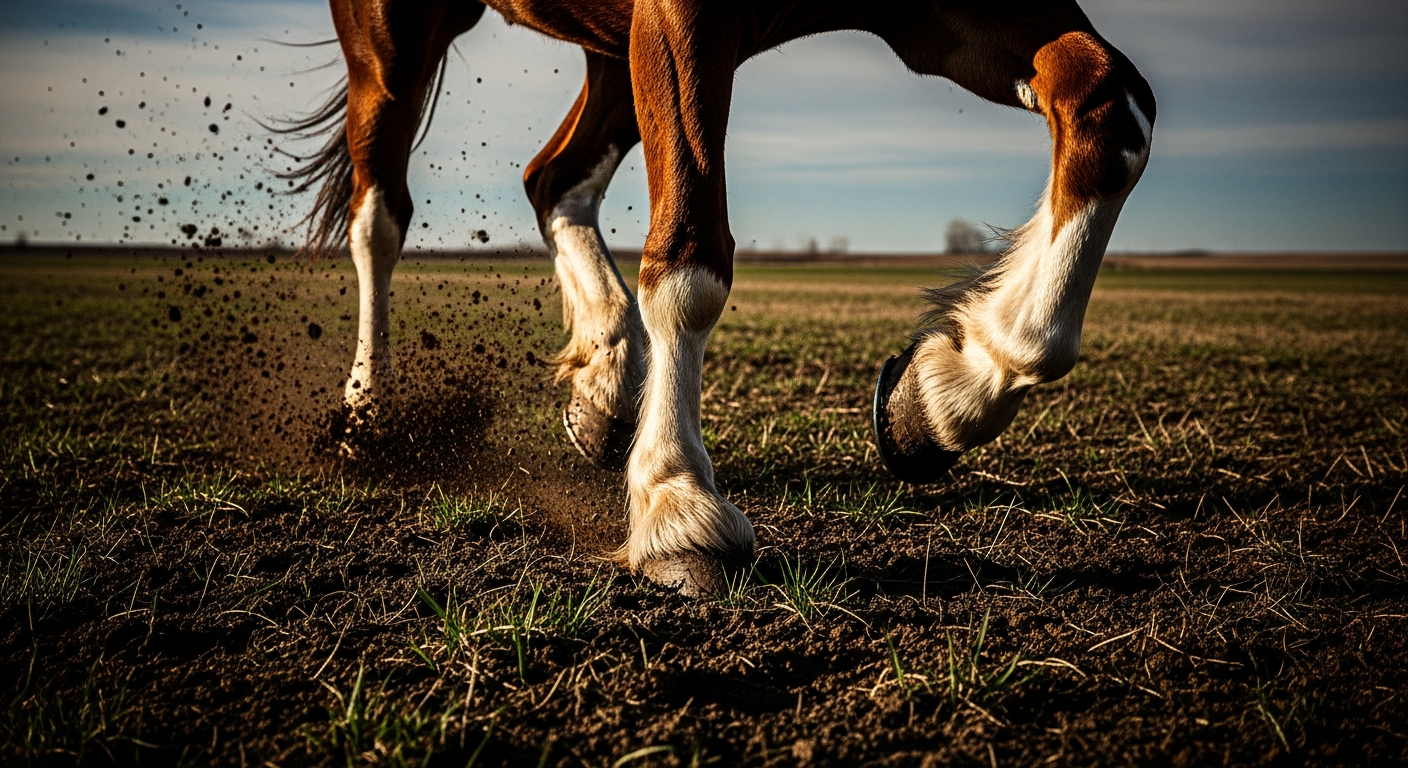
"American Icons" was a masterclass in leveraging established symbols. Celebrating both Budweiser's 150th and the USA's 250th anniversaries, the commercial strategically placed its not-so-secret weapon—the iconic Clydesdale—front and center. The narrative arc, depicting the birth and nurturing of an American Bald Eagle by the gentle steed until it takes its majestic flight, is a classic hero's journey. The soundtrack, Lynyrd Skynyrd's "Free Bird," wasn't just background music; it was, as Norrington noted, "the first and only choice," carrying the narrative "in an epic way" in the absence of extensive dialogue. This combination of visual and auditory iconography, deeply embedded in the American psyche, created a powerful emotional connection, reminding viewers of shared heritage and timeless values. It bypassed the nascent brands and celebrity-driven nostalgia traps, opting instead for a more profound, heartfelt appeal.
The Ad Meter Legacy and Competitive Landscape
Budweiser's journey to its 10th Ad Meter crown is a testament to sustained brand equity and strategic advertising. After its initial victories in 1999 and 2000, it saw cousin Bud Light take the lead for several years before reclaiming dominance from 2007-2015. The recent win, following "First Delivery" in 2025, solidifies its renewed strength. Scoring a 4.0 out of 5, Budweiser comfortably surpassed Lay's "Last Harvest" (chronicling a potato farmer's emotional final lap), Pepsi's "The Choice" (co-opting Coca-Cola's polar bear), and Dunkin's "Good Will Dunkin'" (a blend of Ben Affleck, Matt Damon, and '90s NBC comedy icons). Michelob Ultra, featuring Kurt Russell and Winter Olympic stars, rounded out the top five. This competitive landscape underscores the immense creative and financial investment brands pour into Super Bowl advertising, making Budweiser's consistent success all the more remarkable.
Public Sentiment: A Craving for the Authentic
While specific public sentiment quotes aren't provided in full, the source implicitly conveys a preference for Budweiser's traditional approach. The description of other ads—those with AI, surveillance, and de-aging tech—being "unsettling" for fans on social media speaks volumes. It suggests a weariness among the audience for overtly artificial or technologically detached narratives. Instead, the public appears to be craving authenticity, emotional resonance, and a connection to established, positive cultural symbols. Budweiser's ad, with its emphasis on nature, nurturing, and patriotism, tapped directly into this desire, offering a sense of stability and reassurance in a rapidly changing world. It was a comfort in contrast to the unsettling, a familiar embrace rather than an experimental prod.
Conclusion
Budweiser's commanding victory at the USA TODAY Ad Meter for "American Icons" is far more than a simple advertising award; it's a significant indicator of the current zeitgeist. In a fragmented media landscape inundated with hyper-modernity and technological spectacle, the Super Bowl audience has clearly expressed a preference for timeless narratives, authentic emotional appeals, and iconic brand storytelling. By returning to its roots—the majestic Clydesdales, the symbolic American Bald Eagle, and a powerful, evocative soundtrack—Budweiser didn't just win a contest; it reaffirmed the enduring power of classic advertising principles. For marketers charting future strategies, this serves as a crucial reminder: sometimes, the most innovative path is to masterfully re-engage with the familiar, delivering a message that resonates deeply with shared cultural values, proving that true artistry in advertising remains king.