
Key Takeaways:
-
A Bergen County jury awarded Brandon Crawley $19 million after a 2018 Uber crash ended his promising NHL career.
-
The verdict is significant as it holds Uber liable for a driver deemed its agent/employee, challenging the company's independent contractor model.
-
This is reportedly the largest jury verdict against Uber in the United States, underscoring the substantial financial and reputational stakes.
-
The case hinged on Uber's level of control over its drivers, including monitoring, guidelines, and deactivation authority.
-
The ruling sets a potential precedent for driver classification and corporate responsibility in the gig economy, particularly within New Jersey.
A Promising Career Derailed by a Christmas Day Crash
On Christmas Day 2018, what should have been a festive occasion turned tragic for Brandon Crawley, a then-23-year-old New York Rangers prospect with a burgeoning hockey career. A graduate of Bergen Catholic and a fourth-round draft pick in 2017, Crawley had already spent five seasons in the American Hockey League, including four with the Hartford Wolf Pack, the Rangers' top minor league affiliate, and had played in “many NHL games” according to his attorney. His trajectory pointed towards a significant future in professional hockey.
However, that future was abruptly stolen when the Uber vehicle in which he was a passenger in Glen Rock, New Jersey, veered off South Maple Avenue and violently struck a utility pole. The crash resulted in severe, career-ending injuries for Crawley, fundamentally altering the course of his life and aspirations. The lawsuit, filed in October 2020, sought accountability for these profound losses.
The Legal Battle: Challenging the Gig Economy's Foundation
The ensuing legal battle was less about the fact of the accident and more about the fundamental nature of Uber's relationship with its drivers. Uber has long maintained that its drivers are independent contractors, asserting that it is merely a technology platform connecting riders with drivers, not a transportation company directly employing them. This distinction is crucial, as it limits the company's liability for drivers' actions and avoids the costs associated with employment benefits and regulations.
Crawley's legal team, led by attorney Jeff Varcadipane, mounted a robust challenge to this core tenet. They argued that under New Jersey law, Uber drivers qualify as employees or agents, citing the extensive control Uber exerts over its drivers. This control, the firm detailed, includes stringent monitoring, mandatory guidelines, vehicle standards, background checks, and critically, the authority to deactivate drivers. These elements, Varcadipane's team contended, paint a picture of an employer-employee relationship, not one of independent contractors.
A key turning point came in late January when a judge denied Uber's request for summary judgment, explicitly ruling that the question of whether drivers are employees or independent contractors must be decided by a jury. This decision effectively paved the way for the jury to consider the nuance of Uber's operational model.
A Landmark Verdict: $19 Million and a New Precedent
After careful deliberations in Superior Court in Hackensack, a Bergen County jury delivered its verdict: a stunning $19 million awarded to Brandon Crawley on his 29th birthday. This award, as Varcadipane explained, reflects the acknowledgment of Crawley's projected $40 million career, adjusted to roughly half after taxes under NJ law.
The significance of this verdict extends far beyond the monetary sum. Varcadipane hailed it as “the first case in NJ holding Uber liable for its drivers who the jury determined was its agent/employee.” Furthermore, he declared it “the largest jury verdict in the Country against Uber!” This dual achievement – establishing agent/employee status and securing a record payout – makes the ruling a watershed moment. It directly challenges the business model that has allowed Uber to rapidly scale globally while minimizing traditional employment responsibilities.
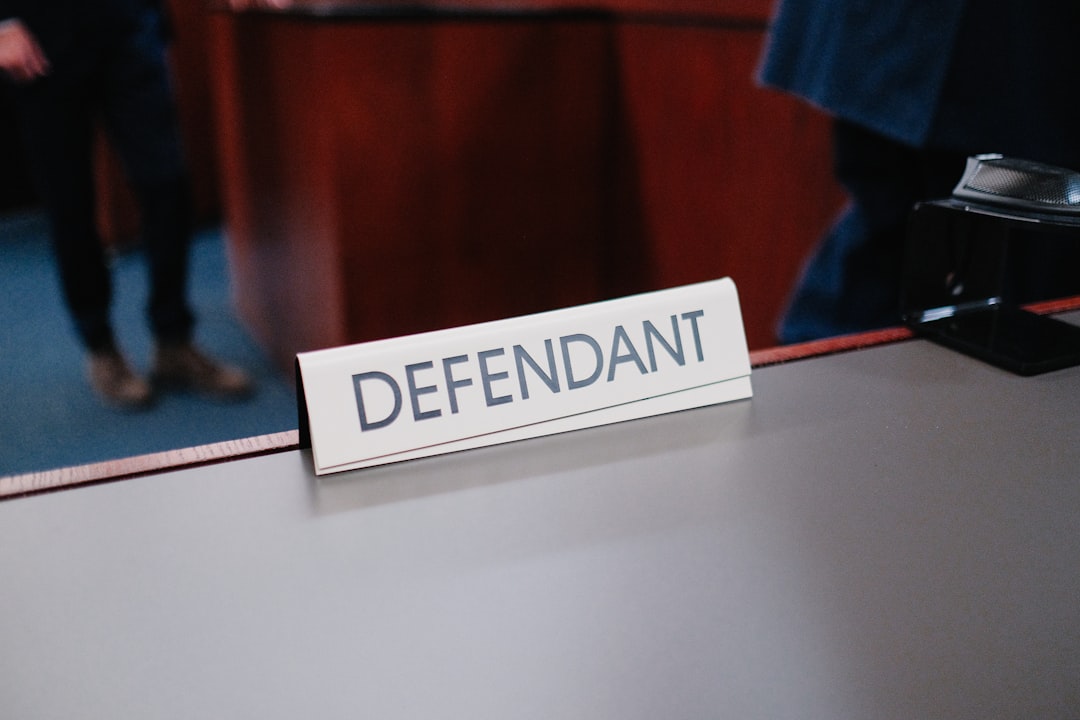
The focus of the legal team on Uber's control mechanisms was clearly persuasive. The jury's decision suggests a growing judicial and public skepticism towards the independent contractor classification when significant corporate control is exercised. This case serves as a powerful reminder that while technology enables new business models, existing legal frameworks, particularly concerning labor and liability, remain highly relevant.
Public Sentiment: A Call for Greater Responsibility
The sentiment surrounding the verdict is one of vindication and hope for systemic change. Attorney Jeff Varcadipane expressed immense pride in his team's efforts, stating, “Super proud of our entire team for helping to carry this victory home for our remarkable client, Brandon Crawley!” He emphasized the injustice of a promising career being “stole[n]” by a “careless Uber driver.”
Brandon Crawley himself spoke to the profound impact of the incident, remarking, “This horrendous experience totally changed the trajectory of my life and my career.” Yet, his focus extends beyond personal redress. He voiced a broader hope, adding, “I'm grateful to the court and to the jury for hearing this case, and I hope my experience will lead to changes that lead to greater corporate responsibility and enhanced safety for riders.” His statement encapsulates the supportive sentiment that this verdict could serve as a catalyst for meaningful reforms.
Conclusion: Reshaping the Future of Gig Economy Liability
The $19 million verdict in favor of Brandon Crawley marks a critical juncture for Uber and the broader gig economy. It underscores a growing legal and societal appetite to scrutinize the foundational assumptions of these innovative business models. By affirming that a driver can be considered an an agent or employee despite corporate claims of independent contractor status, the New Jersey jury has opened the door for similar challenges and potential reclassifications. For Rusty Tablet, this verdict signifies a crucial step towards redefining corporate responsibility in the digital age, emphasizing that the convenience of an app must not come at the expense of accountability for those who operate under its pervasive influence. This ruling could well be the harbinger of a future where gig economy giants face enhanced scrutiny and potentially significant operational adjustments, ultimately aiming for improved safety and fairness for both workers and consumers.