Biorefining: Charting a Sustainable Course for Resource Management
A New Horizon in Industrial Sustainability
Deep within the realm of industrial processes, a revolutionary concept has emerged, poised to transform the way we utilize biomass. Biorefining, a term that may seem obscure to some, holds the key to unlocking the vast potential of organic matter, heralding a new era in sustainable resource management. This innovative approach is not merely a refinement of existing methods but a paradigm shift, akin to the transition from fossil fuels to renewable energy sources. Its significance extends beyond mere efficiency, touching upon environmental stewardship, economic resilience, and societal well-being.
Key Takeaways
-
Integrated Approach: Biorefining processes biomass into a spectrum of products, including biofuels, biochemicals, and biomaterials, similar to petroleum refineries but with renewable feedstocks.
-
Diverse Feedstocks: Success hinges on sustainable biomass sources like agricultural wastes, forest residues, and dedicated energy crops.
-
Advanced Technologies: Conversion occurs through thermochemical (pyrolysis, gasification), biochemical (fermentation, enzymatic hydrolysis), and mechanical extraction methods.
-
Environmental Benefits: Reduces dependence on fossil fuels, lowers greenhouse gas emissions, and promotes circular economy principles with minimal waste.
-
Strategic Importance: Represents a beacon of innovation for sustainable development, requiring collaborative efforts for full realization.
The Biorefining Paradigm: An Overview
At its core, biorefining involves the systematic processing of biomass into a diverse spectrum of valuable products. This integrated approach mirrors the operational logic of the traditional petroleum refinery, where crude oil is fractionated and refined into various products for different applications, from gasoline to plastics. However, biorefining fundamentally diverges by leveraging renewable biomass feedstocks. These include abundant organic materials such as agricultural wastes (e.g., corn stover, sugarcane bagasse), forest residues, and even cultivated resources like algae and dedicated energy crops. The breadth of products obtainable—ranging from transportation fuels and industrial chemicals to construction materials and consumer goods—underscores its potential to serve multiple industries simultaneously, fostering a more resilient and diversified economic landscape.
Feeding the Future: Biomass Feedstocks as the Foundation
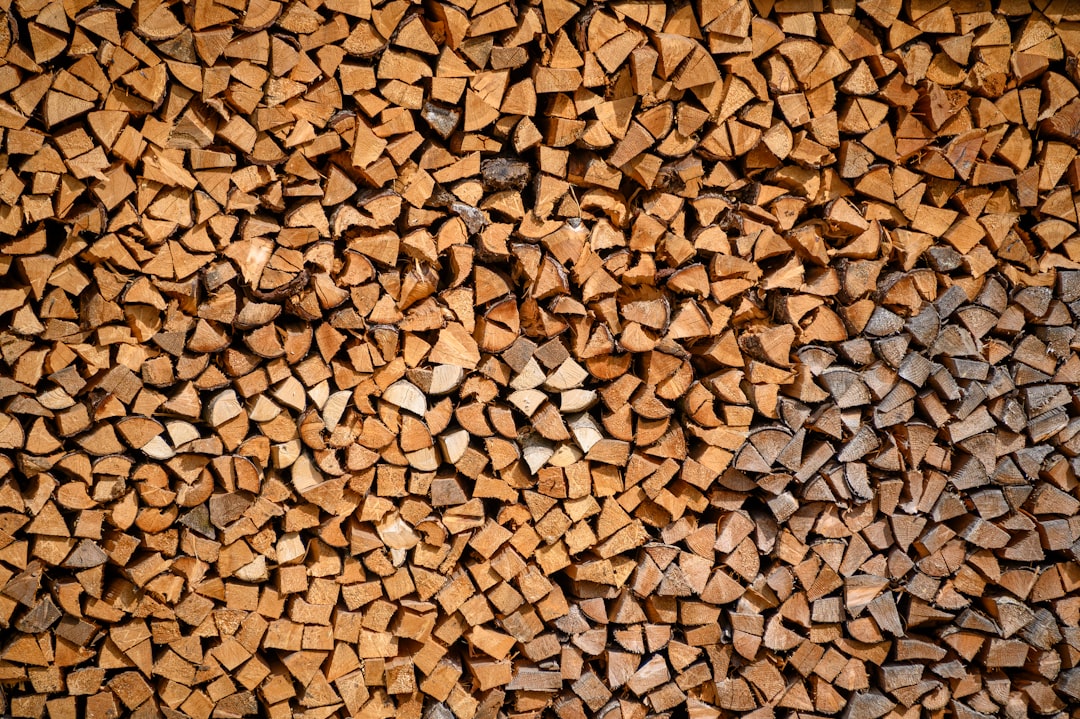
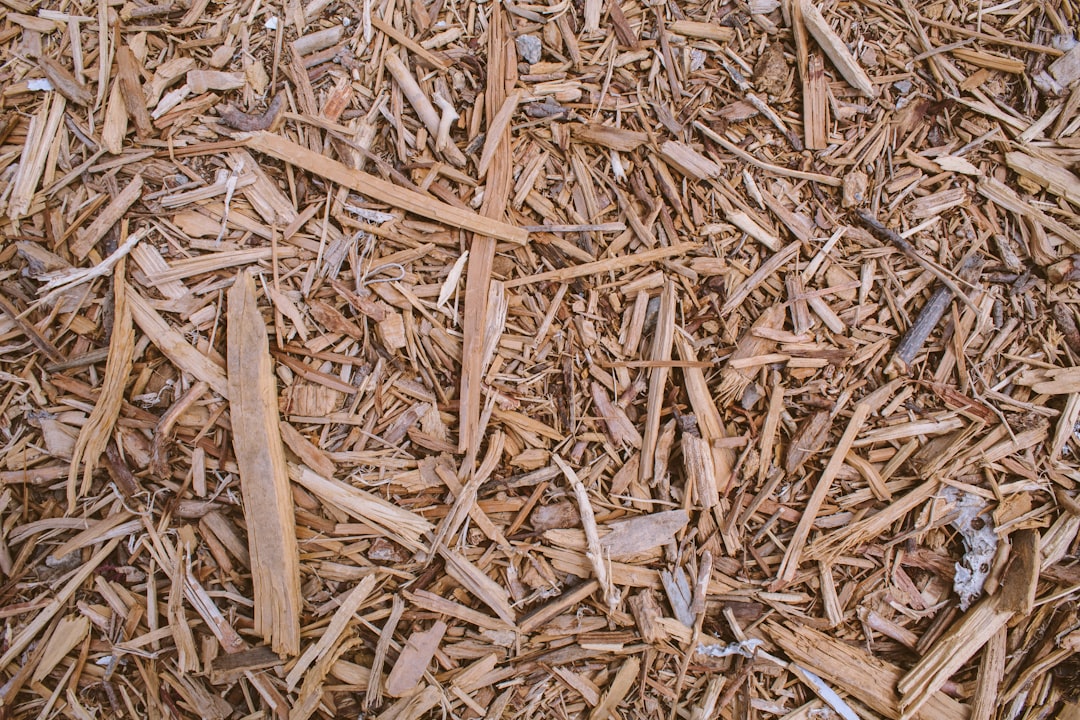
The viability and long-term success of biorefining are intrinsically linked to the availability and sustainability of its raw materials: biomass feedstocks. These organic materials, rich in essential carbon and other elements, serve as the foundational input for conversion into high-value products. Agricultural residues, often considered waste products, represent a significant and readily available source. Examples include the vast quantities of corn stover left after harvest or sugarcane bagasse from sugar production. Similarly, forestry waste, such as logging residues and sawmill by-products, offers another substantial stream. Beyond waste streams, dedicated energy crops like switchgrass and miscanthus are being cultivated specifically for their high yield, rapid growth, and relatively low environmental impact, designed to minimize competition with food crops. The judicious selection of feedstock is paramount, as it directly influences the efficiency, economic feasibility, and overall environmental footprint of the subsequent biorefining processes.
Transforming Biomass: The Heart of Conversion Technologies
The complex journey from raw biomass to usable products is orchestrated by a variety of sophisticated conversion technologies, each meticulously tailored to specific feedstock characteristics and desired outputs. These technologies broadly fall into three categories:
-
Thermochemical Processes: These methods involve the thermal decomposition of biomass under controlled conditions. Techniques such as pyrolysis (heating in the absence of oxygen) yield bio-oils and biochar, while gasification (heating with limited oxygen) produces syngas – a mixture of hydrogen and carbon monoxide. Both bio-oils and syngas are versatile intermediates that can be further processed into advanced biofuels, hydrogen, or chemicals.
-
Biochemical Routes: These pathways harness the power of microorganisms and enzymes. Fermentation, for instance, utilizes microbes to convert sugars derived from biomass into ethanol, butanol, or other biochemicals. Enzymatic hydrolysis employs enzymes to break down complex carbohydrates in biomass into simpler sugars, which then become feedstocks for subsequent fermentation or other biological conversions.
-
Mechanical Extraction Techniques: For certain biomass types, valuable compounds can be directly extracted. This often involves physical separation processes to obtain oils from oilseeds (e.g., rapeseed, jatropha) or specific compounds from plant matter, typically requiring less energy-intensive transformation.
The choice of technology is often dictated by the biomass type, product goals, and economic considerations, representing a sophisticated interplay of science and engineering.
The Green Dividend: Sustainability and Environmental Implications
Perhaps the most compelling argument for the widespread adoption of biorefining is its profound potential to address two of humanity's most pressing challenges: climate change and the need for sustainable development. By shifting away from finite fossil fuels to renewable biomass resources, biorefining inherently reduces net greenhouse gas emissions, contributing directly to a cleaner, healthier planet. Moreover, the design principles of modern biorefineries often integrate concepts of the circular economy and green chemistry. This means striving for minimal water usage, maximizing resource efficiency, and significantly reducing or even eliminating waste generation. By converting what was once considered waste into valuable products, biorefining embodies a philosophy of 'resourcefulness' rather than 'wastefulness'.
However, the path to a truly sustainable biorefining future is not without its considerations. Careful attention must be paid to potential impacts on land use (ensuring no competition with food production), biodiversity conservation (avoiding habitat destruction), and social equity (ensuring benefits are shared fairly and local communities are not adversely affected). Robust regulatory frameworks and ethical sourcing practices are vital to ensure that biorefining practices are indeed sustainable across their entire lifecycle.
Public Sentiment: Voices on the Biorefining Frontier
“The transition to a bio-based economy isn't just an aspiration; it's an economic imperative,” states Dr. Priya Rao, CEO of BioSolutions India. “Biorefining offers us the chance to create entirely new value chains from existing agricultural output, boosting rural economies while mitigating environmental impact.”
Mr. Arjun Desai, an environmental policy analyst, adds, “While the promise is immense, we must ensure responsible implementation. The 'green' label must be earned through rigorous lifecycle assessments that consider everything from land use to processing energy. Sustainable sourcing is key.”
Professor Vikram Singh, a leading researcher in biomass conversion, notes, “We are on the cusp of breakthroughs in enzymatic and catalytic technologies that will make biorefining even more efficient and cost-effective. The science is advancing rapidly, paving the way for industrial scalability.”
Conclusion: A Path Towards a Resilient Future
As the world navigates the complexities of sustainable development and environmental stewardship, biorefining stands out as a beacon of innovation and hope. By harnessing the intrinsic power of biomass and leveraging advanced conversion technologies, we possess the capability to forge a more resilient, equitable, and environmentally conscious future. The journey ahead will undoubtedly require collaborative efforts from scientists, policymakers, industries, and civil society to overcome technical, economic, and social challenges and to fully realize the transformative potential of biorefining. As we embark on this crucial path, we are reminded that the true wealth of our planet lies not in its finite fossil reserves but in the boundless potential of its renewable resources and the unyielding ingenuity of the human spirit.