Key Takeaways
-
Politics as Business: Political careers in Bangladesh have become highly profitable, attracting individuals more interested in financial gain than public service.
-
MPs' Expanded Role: Elected officials frequently overstep their legislative mandate, intervening in financial and executive decisions, including project approvals, contracts, and appointments.
-
Wealth Accumulation: Studies consistently show a significant and often unexplained increase in wealth among MPs during their tenure, signaling the pervasive influence of illicit gains.
-
Expensive Elections: Exorbitant campaign costs compel candidates to seek illicit funding, creating a cycle where officeholders prioritize 'recovering investments' through public resources.
-
Systemic Weakness: The fusion of money and politics weakens parliamentary oversight, dilutes local governance, and fosters widespread corruption, leading to a profound loss of public trust.
-
Urgent Reforms: Critical reforms are needed in MP roles, political financing, asset declarations, and official privileges to restore integrity and accountability.
The Business of Power: A National Disgrace
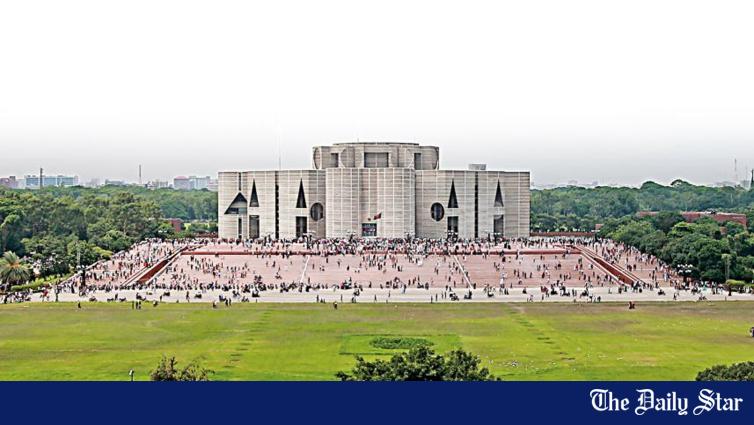
Bangladesh stands at a critical juncture, with its upcoming 13th national election threatening to entrench a system where political power serves as a direct conduit to personal enrichment. With thousands vying for parliamentary seats, the sheer number of aspirants collecting nomination papers — 3,407 initially, with 2,582 submitting — highlights the perceived profitability of a political career. For many, the expectation of public service has been replaced by the allure of material rewards, effectively turning the political landscape into a high-stakes investment market.
Members of Parliament, ostensibly elected to legislate, represent constituents, and ensure government accountability, have historically drifted far from these core responsibilities. Instead, their influence extends deeply into executive and financial matters: dictating development projects, awarding government contracts, and making key local appointments. Tenders and land deals are often swayed by political connections rather than merit, transforming an MP seat into arguably the most attractive business opportunity in the nation. This dynamic not only fosters corruption but fundamentally undermines the principles of a merit-based, transparent governance.
The Cost of Influence: Eroding Trust and Institutions
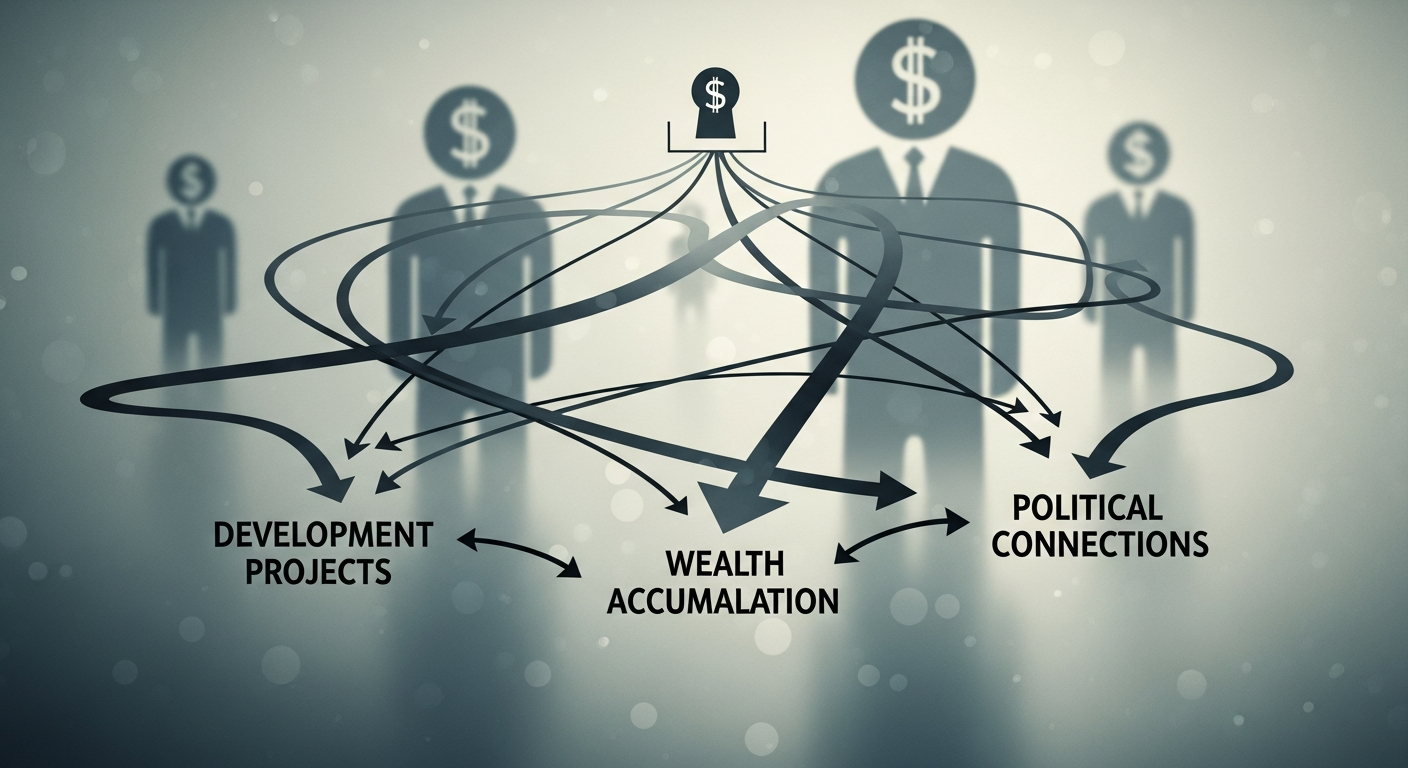
Evidence from Transparency International Bangladesh (TIB) consistently reveals a alarming trend: numerous MPs report drastic increases in personal wealth during their time in office, frequently without credible sources of income. This pattern, routinely documented by the press, illustrates how political office is leveraged for financial gain. MPs have informally overseen procurement committees, land allocation, and even local policing decisions, demonstrating a dangerous blend of political authority and financial control that turns parliamentary seats into high-return investments.
The problem is cyclical, beginning long before a vote is cast. Election campaigns are prohibitively expensive, far exceeding legal spending limits. Candidates often incur significant debt, invest personal fortunes, or rely on wealthy patrons. Once elected, the pressure to 'recover' these investments becomes immense, leading to the exploitation of public resources. Development projects, rather than being selected based on genuine need, become vehicles for generating illicit income. This creates a deeply entrenched system where bureaucrats, contractors, and local power brokers become complicit, normalizing corruption across all levels of governance. The result? A parliament that is weak, poorly attended, and unproductive, passing laws with minimal debate while real decisions are made in the shadows.
Pathways to Reform: Reclaiming Public Service
If Bangladesh genuinely seeks to reverse this corrosive trend, fundamental reforms are imperative. The role of MPs must be redefined: their authority should be strictly limited to lawmaking, policy review, budget debate, and government accountability. Development projects, tenders, recruitment, and administrative postings must be removed from their purview and entrusted to robust, transparent local governments accountable directly to citizens.
Urgent reform of political financing is equally critical. Realistic spending limits, full disclosure of campaign funds, independent audits, and stringent penalties for violations are essential. An expensive election system will inevitably produce leaders who view politics as an investment, perpetuating the cycle of corruption. Furthermore, asset declarations for candidates and MPs must undergo independent verification both before and after their terms. Any unexplained increase in wealth should automatically trigger a rigorous investigation. Finally, the excessive privileges associated with political office – luxurious cars, allowances, housing, and pensions – send a deeply problematic message to a populace grappling with economic hardship. Politics should embody sacrifice and responsibility, not comfort and lavish benefits.
Public Sentiment: A Fading Hope
"Elections should be a time of hope, but for us, they've become a cruel reminder of how little truly changes," laments an ordinary citizen. "We're struggling with prices, unemployment, and poor services, while our leaders live in luxury and get richer. It feels like our votes only empower another set of businessmen, not lawmakers." There's a palpable sense of frustration and betrayal among the populace, a weariness stemming from decades of unfulfilled promises and persistent corruption. The public yearns for leaders who genuinely serve, not those who treat public office as a personal ATM. They await a system where merit prevails over connections, and accountability is more than just a word.
Conclusion
Making politics unprofitable in Bangladesh will be an uphill battle, met with fierce resistance from those who benefit from the existing system. However, the cost of inaction is far greater: deepening inequality, further weakening of institutions, and an ultimate collapse of public trust. This election presents a pivotal opportunity for Bangladesh to reflect and reset its course. To genuinely combat corruption and restore faith in its democratic institutions, the nation must decisively sever the deep, perilous link between money and politics, allowing the parliament to reclaim its rightful role as the guardian of the people's interests, not a marketplace for personal gain.