Key Takeaways:
-
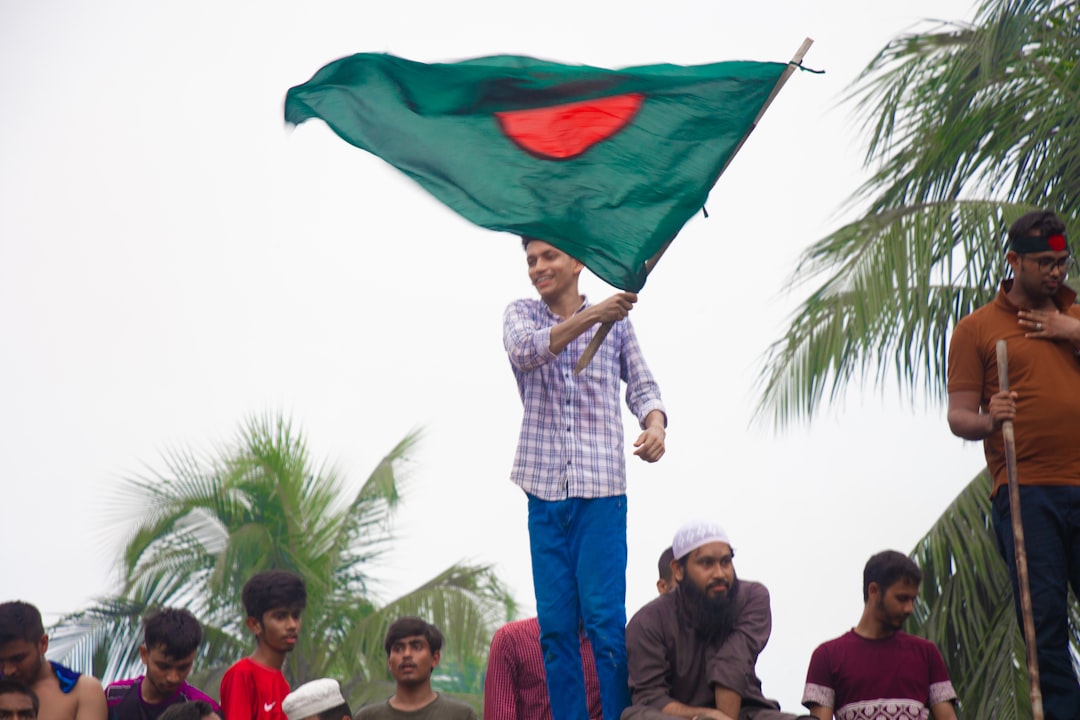
Bangladesh's 13th general election on February 12th is the first since the 2024 student-led uprising and former PM Hasina's ouster.
-
A significant international observer presence (57 from 16 countries, led by Malaysia and Turkiye) underscores the global scrutiny and high stakes.
-
The elections include a national referendum on a reform charter, aiming to redefine Bangladesh's state system and ensure broader public participation in governance.
-
Interim leader Muhammad Yunus expresses cautious optimism for a new democratic era, emphasizing the critical role of these polls in establishing a legitimate mandate.
-
The results will be a crucial indicator of political stability, the viability of democratic transitions, and the international community's perception of Bangladesh's commitment to democratic principles.
A Nation at the Crossroads: The Echoes of Uprising
Bangladesh stands at a precipice, its future delicately poised on the outcome of its 13th general election, scheduled for February 12th. This is no ordinary electoral cycle. It represents the first significant political exercise since the seismic student-led uprising of 2024, an upheaval that led to the dramatic ouster of former Prime Minister Sheikh Hasina and ushered in an interim administration. The specter of past electoral controversies and the fresh memory of popular discontent cast a long shadow, elevating these polls from a domestic affair to a global touchstone for democratic resilience. The world is watching, not just with interest, but with an almost palpable intensity, to gauge whether Bangladesh can genuinely turn the page on a contentious political past and embrace a more inclusive, legitimate future. The stakes, both for the stability of South Asia and for the broader narrative of democratic transitions, could not be higher.
The World's Watchful Gaze: A Barometer of Credibility
The most telling indicator of the international community's apprehension—and hope—is the unprecedented assembly of election observers. Fifty-seven individuals from 16 countries, alongside a 14-member Commonwealth Observer Group, are descending upon Bangladesh. This formidable contingent is a clear signal: the international community is not merely observing; it is scrutinizing. Malaysia leads this diverse cohort with a substantial team of 14 observers, followed closely by Turkiye with 12. Nations like Indonesia, Japan, Bhutan, and Pakistan also contribute to this global vigil. This level of international engagement is not an endorsement but a challenge. It demands transparency, fairness, and an adherence to democratic norms that have, at times, appeared fragile in Bangladesh's recent history. The presence of figures such as former Ghanaian president Nana Akufo-Addo, heading the Commonwealth group, and former Bernama chairman Senator Datuk Ras Adiba Radzi, lends significant gravitas to the monitoring efforts. Their reports will be crucial in shaping both domestic and international perceptions of the election's credibility.

Beyond the Ballot Box: Engineering a New Social Contract
What makes this election particularly compelling is its dual nature: a parliamentary vote twinned with a national referendum on a reform charter. This audacious move, championed by interim leader Muhammad Yunus, signals an ambition far greater than merely replacing one set of politicians with another. It speaks to a fundamental desire to re-engineer the very architecture of the Bangladeshi state. Yunus’s optimism is infectious, yet grounded: “The referendum will allow the people to express their views on shaping the future state system, while the Jatiya Sangsad (parliament) election will enable them to elect suitable representatives to implement those views.” This articulation highlights a two-pronged strategy: first, establishing a foundational consensus on governance principles through direct popular will, and second, electing a body capable of translating that will into tangible policy and legislative action. It's a bold vision, attempting to build a more robust democratic framework from the ground up, with popular mandate as its cornerstone.
The Unpredictable Path: Hopes and Hurdles
The sheer scale of the electoral contest — approximately 2,000 candidates from dozens of political parties vying for 300 parliamentary seats — underscores both the renewed political vitality and the potential for fragmentation. On one hand, it suggests a healthy re-engagement with the democratic process, a vibrant expression of diverse political aspirations that were perhaps suppressed or stifled in previous eras. On the other, such a crowded field can complicate consensus-building and coalition formation, potentially leading to a fractured mandate. The challenge for the newly elected government, regardless of its composition, will be immense: to navigate the immediate aftermath of the election, implement the will of the referendum, and embark on a path of genuine reform and national reconciliation. The promise of a “new democratic chapter” is alluring, but the path to achieving it will undoubtedly be fraught with both expected and unforeseen hurdles.
Public Sentiment
The mood on the ground is a mix of cautious hope and weary skepticism. A Dhaka-based political analyst noted, "This election is Bangladesh's chance to regain international trust. The observer teams aren't just here to count votes; they're here to validate a process that desperately needs legitimacy." A young activist, fresh from the 2024 uprising, commented, "We fought for change, for a voice. The referendum is critical. It's about more than just who governs; it's about how we are governed. But we remain vigilant; promises must translate into action." A concerned citizen in Chittagong expressed, "We've seen elections come and go. My hope is for stability and fairness, for a government that truly represents the people, not just factions. The international presence offers some reassurance, but the real work starts after the ballots are counted."
Conclusion
Bangladesh's upcoming elections are more than a national event; they are a global case study in democratic transformation under duress. With an interim leader pushing for profound systemic change and an unprecedented international watch, the eyes of the world are firmly fixed on Dhaka. The success or failure of these polls will resonate far beyond its borders, offering crucial lessons for other nations grappling with political transitions. For Bangladesh, this is not merely an opportunity to elect representatives; it is a profound moment to redefine its identity, reclaim its democratic aspirations, and, potentially, write that much-hoped-for new democratic chapter in its tumultuous history. The path ahead is uncertain, but the will to forge a better future is undeniably present, now awaiting its ultimate test at the ballot box.