Key Takeaways:
-
AstraZeneca is investing $15bn in China's R&D and manufacturing through 2030, targeting cell therapy, radioconjugates, oncology, haematology, and autoimmune diseases.
-
This move significantly bolsters China's position as a global pharmaceutical powerhouse, aligning with President Xi Jinping's "Healthy China 2030" strategy.
-
China's regulatory reforms and shift from generics to innovative medicines are attracting major global players and driving its 20% share of global drug development.
-
The investment comes as UK Prime Prime Minister Keir Starmer visits Beijing, highlighting efforts to deepen economic ties, but also raising concerns about the UK's own investment in life sciences.
AstraZeneca's Bold Bet: Following the Future
In a move that sends ripples throughout the global pharmaceutical industry, AstraZeneca, the Anglo-Swedish behemoth, has committed an audacious $15 billion to expand its research, development, and manufacturing footprint in China. This isn't just an incremental step; it's a full-throated endorsement of China's burgeoning status as an unparalleled pharma powerhouse. Running through 2030, this substantial cash injection will supercharge AstraZeneca's capabilities in cutting-edge areas like cell therapy and radioconjugate discovery, development, and manufacturing. The strategic alignment with its pipeline ambitions in oncology, haematology, and autoimmune diseases clearly indicates a long-term vision rooted deeply in the Chinese market and its potential to serve a wider global patient base.
Existing facilities in Wuxi, Beijing, Qingdao, and Taizhou are slated for significant upgrades, while entirely new facilities will break ground across the country. Already, these operational hubs serve patients not just within China but across 70 other global markets—a testament to China’s expanding manufacturing prowess. Crucially, the investment also targets a substantial expansion of AstraZeneca’s R&D network in China, strengthening strategic centers in Beijing and Shanghai. This isn't altruism; it's a pragmatic recognition of where the future of pharmaceutical innovation is increasingly taking root. It’s a powerful declaration that to remain competitive, global leaders must be deeply embedded in China’s evolving ecosystem.
China's Ascendance: A Global Shift in Pharma Power
This colossal investment from AstraZeneca arrives not in a vacuum, but amidst a crescendo of buzz surrounding China’s accelerating influence in pharmaceutical R&D. Regulatory and policy reforms have acted as potent catalysts, fostering an environment ripe for innovation. A recent report from GlobalData reveals a staggering statistic: Chinese companies are now responsible for 20% of the drugs in development globally. This isn't merely growth; it's a redistribution of global R&D power. The days when Chinese biotechs focused predominantly on generics or 'me-too' drugs are swiftly receding into the past. Instead, a vibrant ecosystem of innovative medicines R&D is flourishing, attracting global pharma players eager to secure lucrative drug licensing deals and replenish their pipelines. AstraZeneca, far from being a bystander, has been a leading architect of this new deal-making landscape, forging high-value agreements like the $5.2 billion pact with CSPC in June 2025.
This strategic alignment also perfectly dovetails with Chinese President Xi Jinping's ambitious "Healthy China 2030" strategy. Enacted as the nation’s first medium-to-long-term health scheme since 1949, this policy aims to fundamentally improve healthcare quality and emphasize disease prevention. For pharma giants, this translates into a government actively fostering a massive, health-conscious market supported by robust infrastructure and policies. The symbiosis is clear: China offers a vast, developing market and an increasingly sophisticated R&D base, while global companies bring capital, expertise, and a pathway to international markets. The consensus among experts is clear: high-value oncology deals, in particular, will continue to be a formidable growth engine for China’s pharma industry well into 2026 and beyond.
The UK's Precarious Position: A Warning Bell?
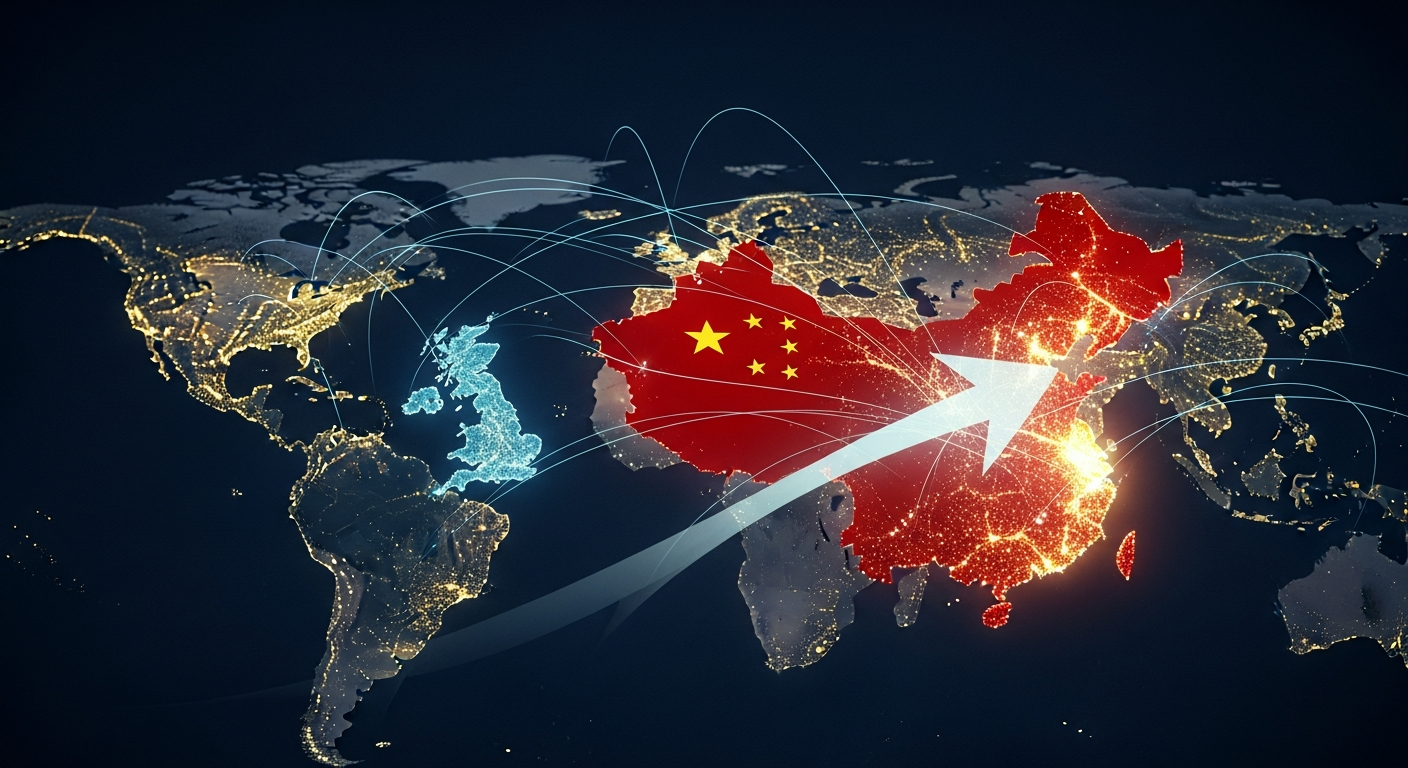
AstraZeneca’s announcement carries an ironic undertone, coinciding as it does with UK Prime Minister Keir Starmer’s three-day visit to Beijing, ostensibly aimed at deepening economic ties and rebuilding relations. Starmer's warm reception of the $15 billion pledge, noting it will "help the British manufacturer continue to grow," offers a veneer of diplomatic success. However, beneath the surface, a more unsettling narrative is brewing. Experts are increasingly vocal about the alarming possibility of the UK losing its long-held position as a global life sciences hub. The perceived lack of domestic investment into innovative drugs, contrasted sharply with major players like AstraZeneca pouring billions overseas, paints a concerning picture.
While Starmer champions British companies' global reach, the question must be asked: at what cost to the nation's own scientific ecosystem? The UK prides itself on its world-class universities and research institutions, yet if the capital and manufacturing prowess flow disproportionately elsewhere, its competitive edge could rapidly erode. This investment, while sound business for AstraZeneca, serves as a stark warning to policymakers in London: innovate or stagnate. The global race for life sciences supremacy is intensifying, and inaction or insufficient domestic investment risks relegating the UK to a supporting role rather than a leading one.
Public Sentiment: A Mix of Pride and Concern
"It's great to see a British company expanding globally, demonstrating its strength," remarked one industry analyst, echoing a sentiment of national pride in AstraZeneca's success. However, others voiced deeper concerns: "While beneficial for shareholders, you have to wonder what this means for jobs and investment back home. Are we exporting our innovation?" A common thread emerges: pride in the UK's corporate champions, but growing apprehension about the hollowing out of domestic R&D and manufacturing. "China is clearly the future for pharma," stated another, "but the UK needs to ensure it doesn't get left behind."
Conclusion: A New Global Order
AstraZeneca’s $15 billion investment in China is more than a mere financial transaction; it is a profound testament to a new global order in pharmaceuticals. China is no longer just a market; it is a co-creator, an innovator, and a manufacturing powerhouse, rapidly recalibrating the industry's geopolitical map. For companies like AstraZeneca, it represents a shrewd, almost imperative, strategic alignment with future growth. For nations like the UK, however, it serves as a potent wake-up call. The shifting sands of global innovation demand not just observation, but proactive, substantial investment in domestic capabilities to ensure that future headlines don't lament a lost legacy, but celebrate continued leadership. The message is clear: the future of pharma is increasingly multilateral, and those who fail to recognize and adapt to this reality do so at their peril.