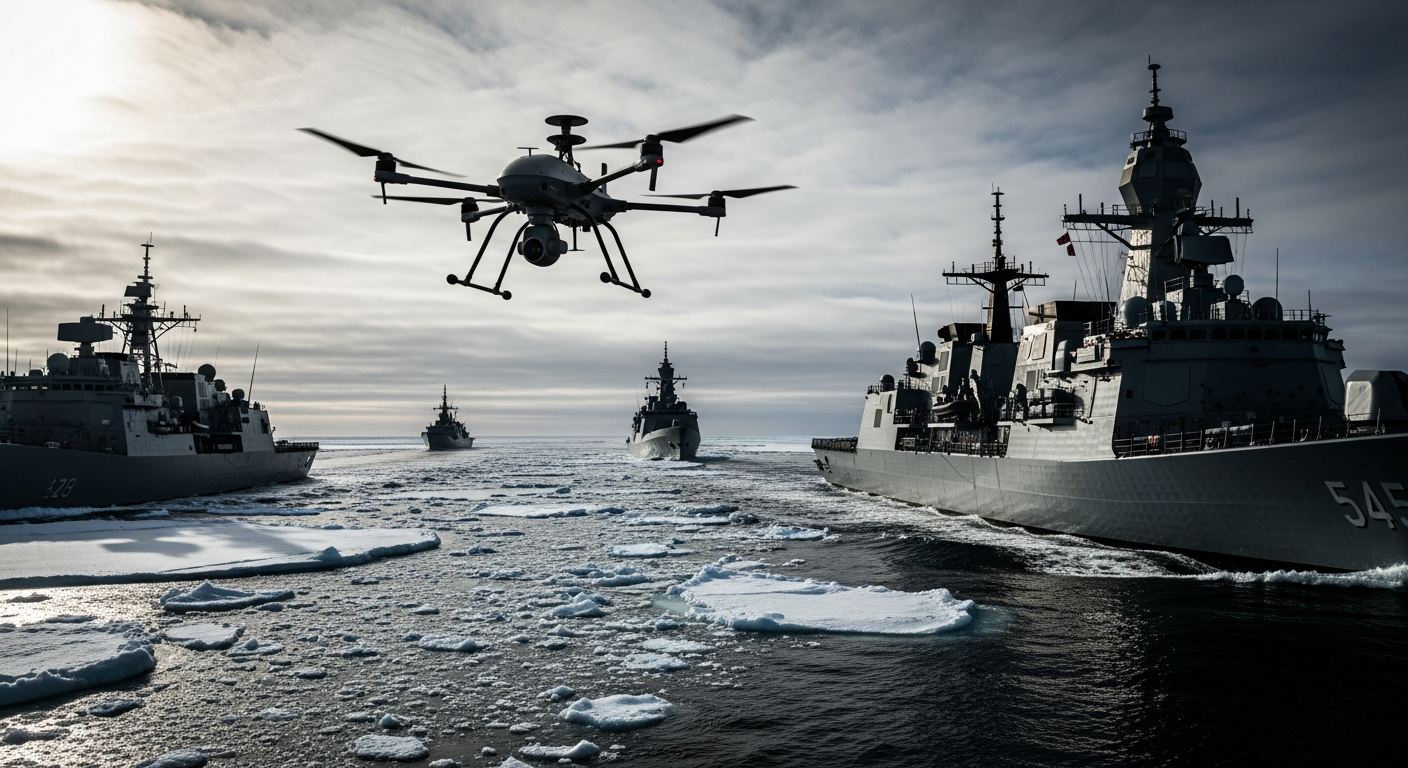
The High North, long a frozen expanse mostly observed from afar, has unequivocally become the latest crucible of global power dynamics. With its ice caps receding and new shipping lanes emerging, the Arctic is no longer merely a geographic feature but a strategic imperative. Against a backdrop of escalating Russian military maneuvers, NATO's launch of 'Arctic Sentry' isn't just a tactical response; it's a profound reorientation of the alliance's priorities, signaling a new cold front in an already fractured world. [FEATURED]
Key Takeaways:
-
Strategic Repositioning: NATO's 'Arctic Sentry' is a direct, robust response to Russia's increased military presence and assertive posture in the Arctic and High North.
-
Enhanced Deterrence & Surveillance: The mission focuses on significantly boosting troop levels, expanding maritime patrols, and testing advanced surveillance technologies in critical Arctic regions.
-
GIUK Gap Importance: The waterways between Greenland, Iceland, and the United Kingdom are re-emphasized as a vital chokepoint for controlling access between the Arctic and the Atlantic.
-
Nordic & UK Leadership: Countries like Norway, Sweden, Finland, and the UK are playing central roles, leveraging their regional expertise and committing substantial resources.
-
US Influence: Pressure from the United States, including President Trump's recent focus on Greenland, has accelerated allied planning and heightened the Arctic's strategic prominence within NATO.
The Northern Frontier Awakens
For decades, the Arctic simmered quietly on the geopolitical backburner. No longer. Warming waters are unearthing new, economically vital shipping routes and resource access points, transforming the region into a contested chessboard. NATO's 'Arctic Sentry' mission is the alliance's unequivocal answer to Russia's brazen shows of force, from bomber patrols to nuclear-capable submarines. General Alexus G. Grynkewich, the top NATO commander in Europe, articulated the mission's core intent: "It will leverage NATO's strength to protect our territory and ensure the Arctic and High North remains secure."
This isn't just about showing the flag. It's about a strategic fortification of the "Cap of the North," encompassing parts of Norway, Sweden, and Finland within the Arctic Circle. The plan includes a significant boost in troop levels and an expansion of maritime patrols through the critical Norwegian Sea and the infamous GIUK Gap—a narrow, strategic passage between the Arctic and the broader Atlantic Ocean, long eyed as a potential Russian chokepoint.
Russia's Shadow Play
Russia's military posture in the Arctic is the central catalyst for this NATO pivot. Since January 2025, Moscow has conducted no fewer than 33 military maneuvers in the region, according to the Center for Strategic and International Studies. This activity is heavily concentrated around the Kola Peninsula, home to Russia's Northern Fleet and its formidable arsenal of nuclear-capable submarines. From Murmansk, these vessels are protected by a formidable ring of coastal, naval, and air patrols, projecting a clear and concerning message of dominance.
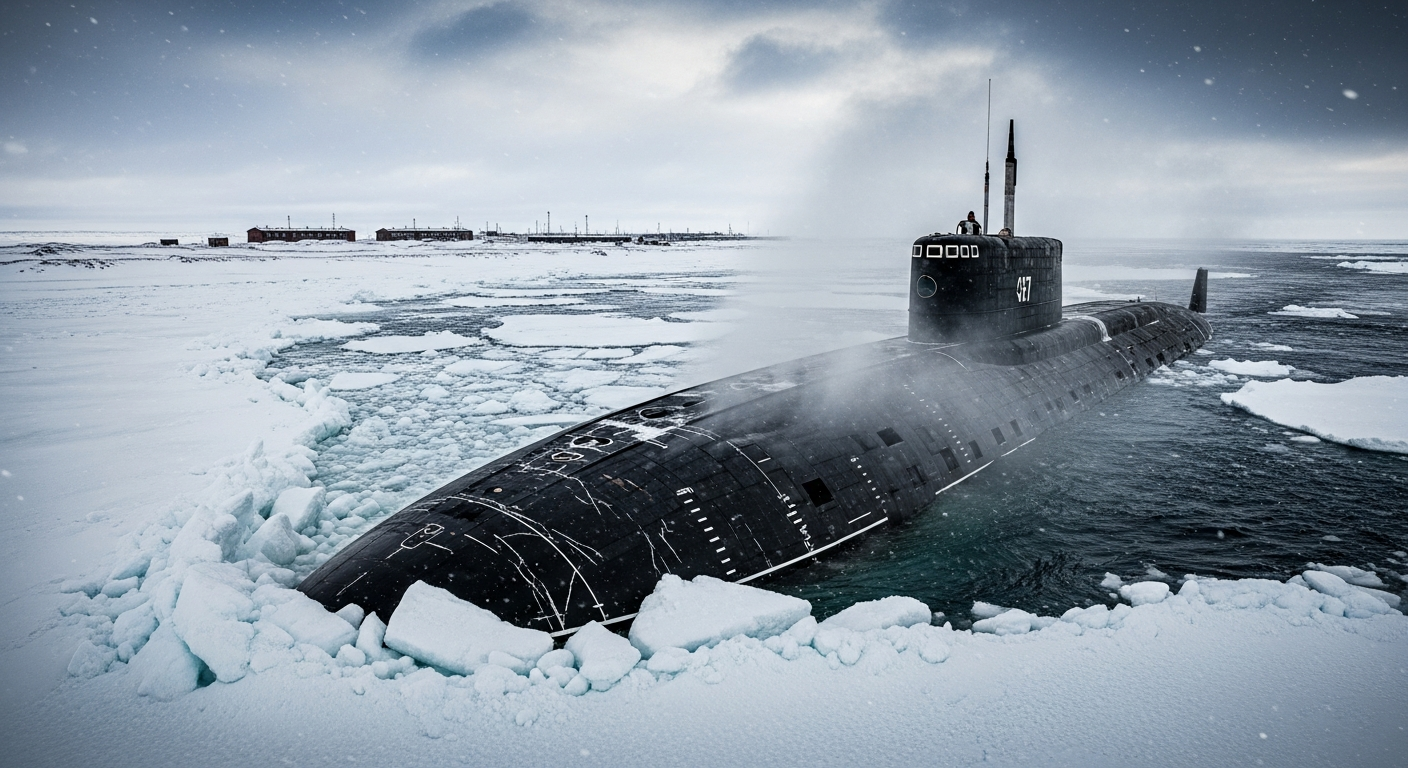
Analysts have also highlighted Russia's concerning "cat-and-mouse" tactics, linking them to illicit oil shipments and the ominous potential for sabotage of critical undersea energy and communications infrastructure. The message from Moscow is unmistakable: the Arctic is theirs to control, and they are willing to assert that claim aggressively.
The Strategic Heartbeat: GIUK Gap and Beyond
NATO officials have always understood the GIUK Gap's strategic significance, viewing it as a critical chokepoint. Military officers consistently warn that Russian submarines and surface ships operating there pose some of the highest risks to the security of both Europe and North America. 'Arctic Sentry' directly addresses this vulnerability, aiming to assert control and monitor activity in this vital passage.
Beyond the maritime domain, the mission will bolster ground forces in the Arctic nations. This integrated approach—land, sea, and air—underscores the comprehensive nature of NATO's response. The alliance also plans to leverage cutting-edge technology, with officials and experts indicating that newer surveillance drones will be tested in the Arctic's notoriously harsh conditions, pushing the boundaries of remote sensing and intelligence gathering.
Allied Unity and Innovation
The Nordic countries, with their unparalleled experience in operating within the Arctic environment, are expected to assume a leading role in 'Arctic Sentry.' Their existing military cooperation, exemplified by the weekly collaboration of pilots from Norway, Sweden, Finland, and Denmark, provides a robust foundation for enhanced interoperability. Britain, too, is stepping up significantly. U.K. Defense Secretary John Healey is poised to announce a doubling of British troops deployed to Norway's Arctic region to 2,000 over the next three years. Furthermore, Britain is a key contributor to a Swedish-led land force in northern Finland, comprising at least 4,000 troops and including France, Iceland, and Italy, slated to be fully operational in the coming months.
Healey's stark assessment reflects the gravity of the situation: "Demands on defense are rising, and Russia poses the greatest threat to Arctic and High North security that we have seen since the Cold War." NATO's deployment of approximately 25,000 troops and personnel for exercises beginning in mid-March solidifies this commitment, echoing similar deterrence efforts already underway in the Baltic Sea region and Eastern Europe.
Washington's Arctic Mandate
The United States has been a crucial driver in elevating the Arctic's status within NATO. U.S. officials acknowledge that 'Arctic Sentry' reflects a growing alliance focus, significantly influenced by President Donald Trump's consistent pressure on NATO partners to take the region more seriously. Experts note that allied planning accelerated following Trump's controversial remarks about the United States controlling Greenland as an early defensive line – comments that, while raising tensions, undeniably brought the Arctic into sharper focus. U.S. Ambassador to NATO Matthew Whitaker confirmed this shift, stating, "The Arctic has obviously risen in priority for the alliance, and the alliance is responding."
Public Sentiment
The prevailing sentiment across the alliance is one of renewed urgency and a recognition of the Arctic's undeniable strategic importance. There is a palpable sense that the time for equivocation is over, and a robust, coordinated response to Russian assertiveness is not just desirable, but essential. From the highest military echelons to diplomatic circles, the consensus is clear: the Arctic is not just warming; it is heating up geopolitically. The rhetoric reflects a Cold War-esque tension, with officials like Britain's John Healey articulating a perceived threat level unseen since that era. This collective resolve underscores a fundamental recalibration of NATO's global defense posture.
Conclusion
'Arctic Sentry' is more than a military exercise; it's a profound strategic recalibration by NATO, acknowledging the Arctic as a frontline in a new era of great power competition. The alliance is making a clear statement: the High North will not become a Russian exclusive zone. With intensified surveillance, increased troop presence, and robust maritime patrols, NATO is drawing a line in the melting ice. The stakes are immense, ranging from critical shipping lanes and untapped resources to the very security of Europe and North America. As the Arctic transforms from a frozen periphery into a vibrant, contested arena, 'Arctic Sentry' ensures that the world's northernmost frontier will remain a central, defining theater of global security for years to come.