Key Takeaways
-
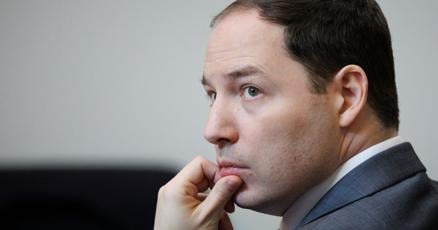
Brendan Banfield, a former IRS officer, was convicted of orchestrating the murders of his wife, Christine Banfield, and an unsuspecting man, Joseph Ryan.
-
The motive centered around an affair with the family's au pair, Juliana Magalhães, who later testified against Banfield after pleading guilty to manslaughter.
-
The elaborate ruse involved luring Ryan through a fetish website, impersonating Christine Banfield, to stage a home invasion scenario.
-
Prosecutors successfully used a "plethora of evidence," including forensic analysis of blood spatter and Magalhães' testimony, to dismantle Banfield's defense.
-
The case also brought to light internal dissent within the police department regarding the initial investigation's theory, underscoring the complexities of high-stakes criminal inquiries.
The Web of Deceit: A Suburban Nightmare Unravels

The idyllic facade of a Virginia suburban home shattered on February 24, 2023, revealing a crime of astonishing premeditation and cold-hearted betrayal. Brendan Banfield, once a figure entrusted with upholding law as an IRS officer, wove a meticulously sinister web around his wife, Christine, and Joseph Ryan, an unsuspecting victim drawn into a deadly trap. At the heart of this deception lay an affair with Juliana Magalhães, the family’s Brazilian au pair, which spiraled into a shared conspiracy to eliminate perceived obstacles. The court heard how Banfield, aided by Magalhães, crafted an elaborate narrative of a home invasion gone awry, attempting to paint Ryan as Christine's attacker and themselves as heroes forced to defend their home. This wasn't a crime of passion; it was a calculated campaign of manipulation and murder, designed to grant Banfield a grotesque form of freedom. The sheer audacity of the scheme — to lure a man for a staged sexual encounter involving a knife, then murder both him and his wife — speaks to a profound moral decay and a chilling confidence in his ability to outwit the law.
A Flawed Masterplan: The Cracks in the Ruse
Despite its elaborate design, Banfield's "perfect" crime began to unravel under the scrutiny of investigators. The initial story, that Banfield stumbled upon Ryan attacking his wife and then shot him, followed by Magalhães shooting Ryan again, was deemed "too good to be true." The cracks widened significantly with Magalhães' decision to plead guilty to manslaughter and testify against her former lover. Her confession laid bare the mechanics of the plot: the impersonation of Christine Banfield on a sexual fetish website, the lure of Ryan, and the staging of the scene. This testimony, while crucial, was not the sole pillar of the prosecution's case. Prosecutor Jenna Sands highlighted a "plethora of evidence," crucially including expert testimony on bloodstains found on Ryan's hands. This forensic detail, suggesting Christine Banfield's blood dripped onto him from above, painted a stark picture contradictory to Banfield's narrative of discovering an attack in progress. It was this combination of insider confession and irrefutable physical evidence that ultimately sealed Banfield's fate, proving that even the most intricate deceptions leave tell-tale signs.
Justice's Tangled Path: The Defense's Battle and Internal Strife
The defense, led by attorney John Carroll, fought valiantly to cast doubt on the prosecution's narrative, primarily by challenging the credibility of Juliana Magalhães. Carroll argued that Magalhães' testimony was inherently suspect, given her plea deal and the incentive to avoid a lengthy prison sentence. Banfield himself dismissed her account as "absolutely crazy" in his own testimony. Furthermore, the defense introduced a compelling layer of complexity: dissent within the police department. Evidence of an officer being transferred, allegedly for disagreeing with the prevailing theory that Banfield and Magalhães impersonated Christine, raised questions about the internal dynamics of the investigation. This suggested potential pressure to conform to a favored theory, a concern that, while ultimately insufficient to sway the jury, highlights the internal challenges that can arise in high-profile cases. However, the jury, after nearly nine hours of deliberation, concluded that the sheer weight of evidence, both testimonial and forensic, outweighed these doubts, confirming the prosecution's narrative of calculated murder.
The Price of Betrayal: A Community Grapples with Tragedy
The verdict brings a measure of justice for Christine Banfield, a pediatric intensive care nurse, and Joseph Ryan, two lives cruelly extinguished by another's selfish desires. But the ripple effects of this tragedy extend far beyond the courtroom. A community grapples with the unsettling reality of such heinous crimes occurring behind closed doors, perpetrated by someone who once held a position of public trust. The Banfield case stands as a stark reminder of the devastating consequences of infidelity, deceit, and the lengths some will go to escape responsibility. As Brendan Banfield faces the possibility of life in prison, and Juliana Magalhães awaits her sentencing – potentially walking free based on time served for her cooperation – the chilling narrative of an "au pair affair" turned double murder will undoubtedly resonate for years, forcing introspection on the nature of trust, betrayal, and the complex pursuit of truth.
Public Sentiment
"This isn't just a crime; it's a horror movie come to life. The audacity to frame an innocent man and murder your own wife... it's beyond comprehension." "How could an IRS officer, someone who knew the law, think he could get away with such a sick, twisted plot? The arrogance is astounding." "My heart breaks for Christine and Joseph. They were just living their lives, and then BAM, caught in a psychopath's scheme. It's a reminder that evil can lurk anywhere." "The police dissent part is concerning. You want to believe justice is blind, but internal politics? It makes you wonder how many other cases have similar issues." "Magalhães getting off easy because she sang? That's the part that always feels a bit like a compromise of justice, even if it was necessary to get Banfield."
Conclusion
Brendan Banfield's conviction is more than just another criminal verdict; it's a stark reaffirmation that even the most intricately woven tapestries of deceit eventually unravel. It underscores the justice system's capacity to pierce through layers of falsehood, even when confronted with a cooperating co-conspirator whose own motivations are complex. While questions linger regarding the police investigation's internal dynamics and the precise balance of justice for all involved, the core truth of calculated murder has been established. This case will serve as a grim cautionary tale, etched into the public consciousness as a potent symbol of betrayal, the fragility of life, and the ultimate, inescapable consequences of hubris and unbridled malevolence.