Key Takeaways:
-
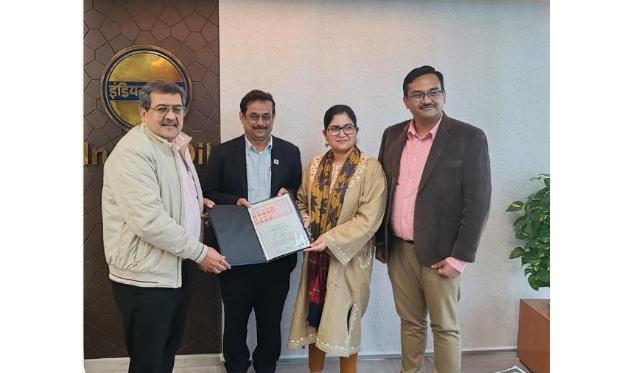
A formal Memorandum of Understanding (MoU) has been signed between the Indian Red Cross Society, Andhra Pradesh State Branch, and Sankalp India Foundation to enhance haemoglobinopathy care.
-
The partnership aims to establish a robust statewide network of thalassaemia and sickle cell day-care centres across Andhra Pradesh.
-
Key focus areas include early detection, prevention, sustained treatment, improved access for economically weaker sections, regular blood transfusion support, counselling, and long-term cure-oriented interventions.
-
The collaboration underscores the urgent need for structured, accessible care facilities, implicitly acknowledging the significant existing gaps and the immense psychological burden on affected families.
The Shadow of Haemoglobinopathy: A Glimpse into India's Silent Crisis
India carries one of the heaviest global burdens of haemoglobinopathies, with an estimated 10,000 to 12,000 children born annually with Thalassaemia Major alone. For these children and their families, life is a relentless cycle of hospital visits, blood transfusions, and medication to manage iron overload. The recent MoU between the AP Red Cross and Sankalp India Foundation in Vijayawada, aiming to strengthen care for thalassaemia and sickle cell children, is, on paper, a welcome development. Yet, for those familiar with the ground realities, the enthusiasm is often tempered by a weary psychological calculus.
The partnership's stated goal – to establish a 'robust statewide network' of day-care centres – confronts a formidable challenge. Andhra Pradesh, like many Indian states, grapples with a vast rural-urban divide in healthcare access, a critical shortage of specialized medical personnel, and the pervasive issue of public health infrastructure that often buckles under demand. The psychological toll on families is immeasurable: constant anxiety over securing the next blood transfusion, the financial strain of lifelong treatment, the impact on a child's education and social development, and the quiet despair that can settle when promises fall short. The MoU, while a step, feels like a single bucket of water against a raging inferno, albeit a symbolically important one.
Bureaucracy and Bedside: Bridging the Implementation Gap
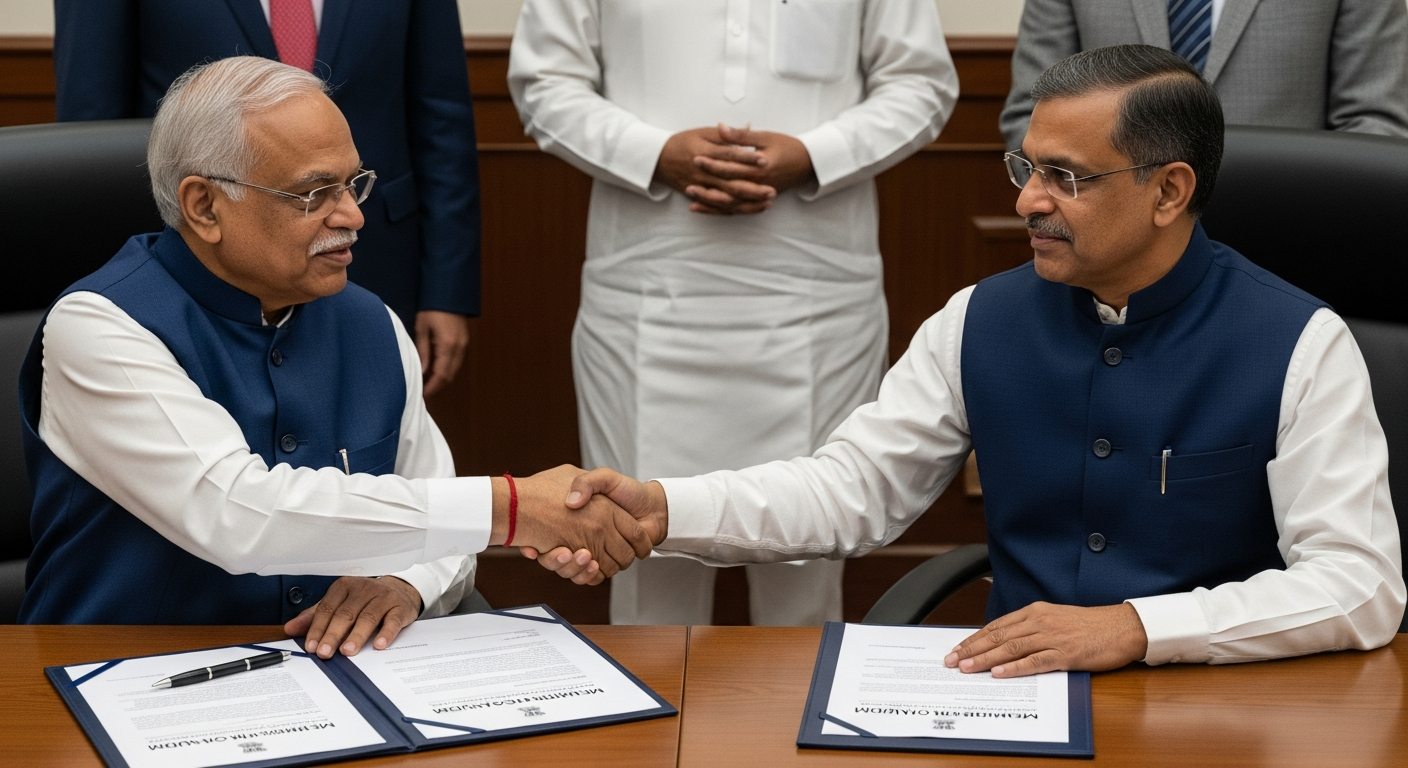
The formal signing by Sankalp India Foundation president Rajath Agarwal and AP Red Cross general secretary A.K. Parida, a retired IAS officer, in the presence of AP Red Cross chairman Y.D. Rama Rao, signifies institutional buy-in. But an MoU is a blueprint; its efficacy lies entirely in meticulous execution. The ambition of a 'robust statewide network' demands an unprecedented level of logistical precision and sustained resource allocation.
Consider the practicalities: consistent availability of safe blood, which remains a perpetual challenge across India's public health system. How will this partnership guarantee a reliable, state-wide blood supply, mitigating the psychological stress on parents who often resort to frantic appeals for donations? Furthermore, the promise of 'early detection, prevention, and sustained treatment' requires significant investment in training, equipment, and outreach programs, especially in remote areas where awareness is low. 'Counselling,' often an afterthought in resource-strained systems, is explicitly mentioned. Yet, for it to be truly effective, it must be comprehensive, culturally sensitive, and sustained, addressing not just medical facts but the profound emotional and psychological landscape of families navigating a chronic, often debilitating, illness. The presence of numerous officials and medical professionals at the signing signals the bureaucratic machinery at play, which can be both a strength in terms of organized effort and a potential source of delays and inefficiencies.
Beyond Philanthropy: Towards Sustainable, Systemic Change
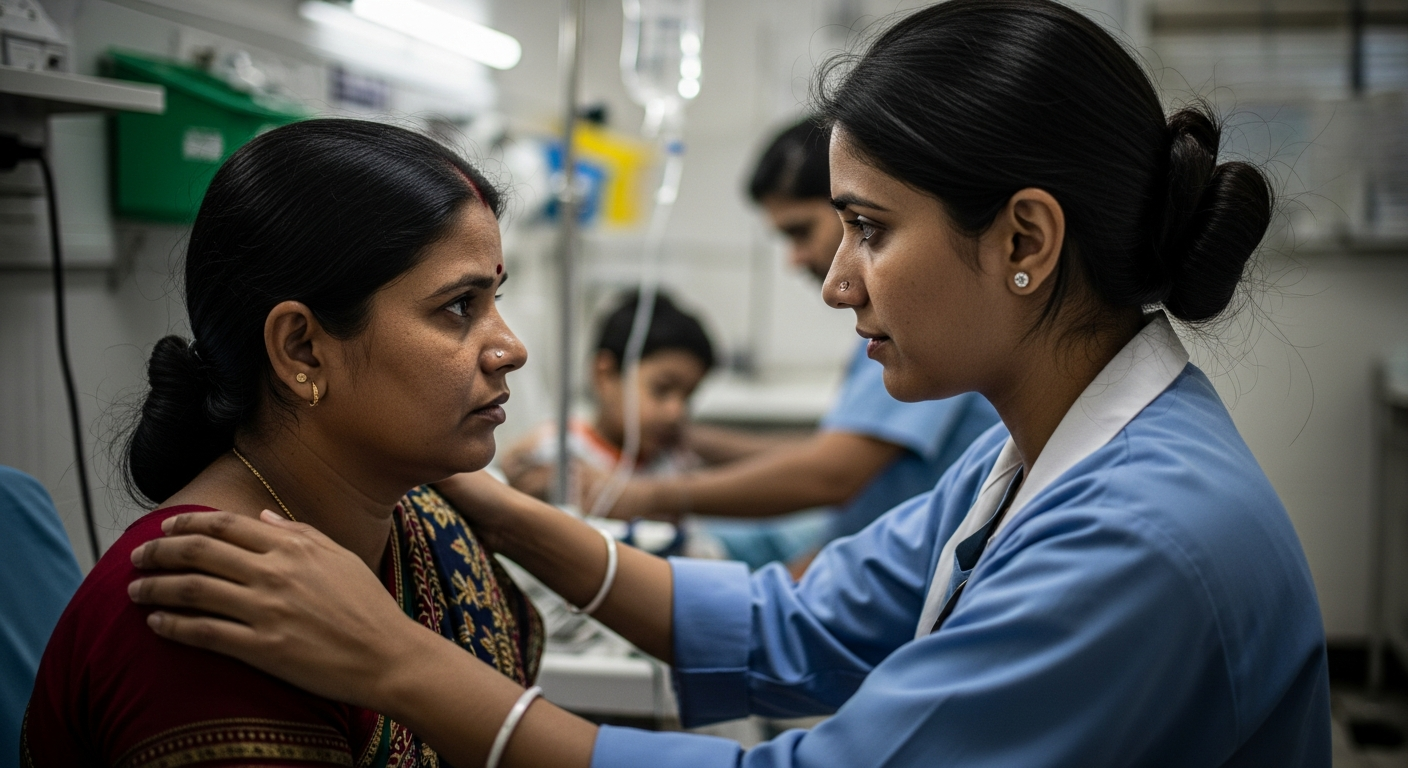
The collaboration seeks to support children from 'economically weaker sections,' a crucial intervention given that chronic illnesses disproportionately impact the poor. However, the long-term sustainability of such initiatives often hinges on consistent funding, which ideally requires a robust partnership with state government health programs. While the Red Cross and Sankalp India Foundation are reputable entities, the scale of the haemoglobinopathy challenge demands more than philanthropic goodwill; it necessitates systemic, government-backed infrastructure and policy changes.
The mention of 'cure-oriented interventions' also warrants a critical lens. While aspirations for cures are vital, current infrastructure for complex procedures like bone marrow transplants, which offer the only known cure for many, is limited and prohibitively expensive for most. The immediate focus must remain on ensuring consistent palliative and management care. Moreover, the human element cannot be overlooked: the potential for burnout among healthcare professionals and caregivers operating in high-demand, emotionally taxing environments. True success will be measured not just by the number of centres established, but by the tangible improvement in the quality of life and the psychological well-being of thousands of children and their families, year after year.
Public Sentiment
Public sentiment, often a barometer of lived experience, reflects a cautious hope mingled with a deep-seated weariness. "It's good that something is finally happening," remarks a mother from Guntur whose child requires monthly transfusions, "but we've heard promises before. My child still struggles to get blood on time, and the fear never leaves me." Another parent from a rural district offers a more pragmatic view: "If they can truly make consistent blood available and provide proper counselling, it would be a miracle for families like ours. The psychological burden of constant uncertainty is immense." The overarching sentiment is one of fragile optimism, knowing that the gap between signing an MoU and delivering consistent, compassionate care on the ground is vast and fraught with challenges.
Conclusion
The MoU between the AP Red Cross and Sankalp India Foundation is a significant formal step in addressing a critical public health crisis. It underscores a recognized need and mobilizes resources towards a deeply vulnerable population. However, the 'Rusty Tablet' perspective demands more than superficial applause. True success will depend not merely on the existence of this partnership but on its diligent, empathetic, and relentlessly consistent execution. The journey from a signed document to a 'robust statewide network' that genuinely alleviates the physical and psychological suffering of countless families is arduous. It requires sustained political will, transparent resource management, continuous training, and an unwavering commitment to the human element of care. For the children and families of Andhra Pradesh, hope is a precious commodity; this partnership has merely pledged to guard it.