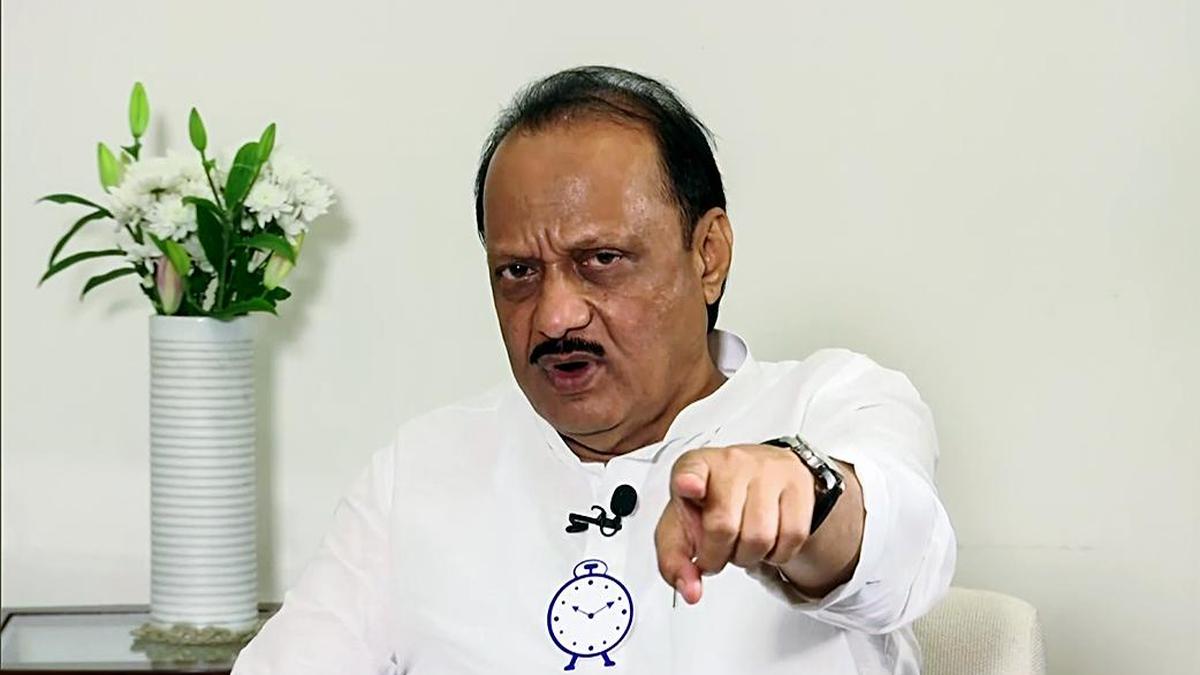
Maharashtra has been abruptly thrust into a period of profound grief and political introspection following the sudden demise of Deputy Chief Minister Ajit Pawar. The veteran NCP leader, aged 66, was among five individuals killed when their aircraft crashed in Pune district on Wednesday, January 28, 2026, while attempting to land in Baramati.
[FEATURED]
Key Takeaways:
-
Deputy Chief Minister Ajit Pawar, along with four others, perished in a plane crash in Pune district.
-
Maharashtra has declared three days of State mourning and a government holiday.
-
Chief Minister Devendra Fadnavis and Deputy CM Eknath Shinde expressed deep condolences, highlighting a significant personal and political loss.
-
National leaders, including President Murmu and Prime Minister Modi, have conveyed their grief.
-
A formal investigation into the crash has been announced by Deputy Chief Minister Eknath Shinde.
-
Pawar's death creates a notable void in Maharashtra's administrative and political landscape, raising questions about future governance.
The Shockwave of a Sudden Loss
The news of Ajit Pawar's death sent immediate shockwaves across the nation, particularly within Maharashtra's political circles. Chief Minister Devendra Fadnavis, visibly shaken, described the day as "very difficult for Maharashtra" and a personal loss of a "strong friend." He swiftly announced a three-day State mourning period and a government holiday, underscoring the gravity of the incident and the state's collective sorrow. Both Fadnavis and co-Deputy Chief Minister Eknath Shinde promptly announced their departure for Baramati, signalling the immediate and high-level response to the tragedy.
Prime Minister Narendra Modi, after speaking with CM Fadnavis, conveyed the nation's shared grief, reflecting the widespread impact of Pawar's passing. The rapid succession of condolences from the highest echelons of Indian politics illustrates not just a ceremonial response, but an acknowledgement of the significant vacuum now facing Maharashtra.
A Political Stalwart's Legacy and the Unfilled Void
Ajit Pawar's political career was marked by his reputation as a formidable and astute administrator. Described by Eknath Shinde as a "clear communicator, articulate, and hardworking," Pawar was known for his decisive nature. Shinde recalled Pawar's disdain for procrastination, stating, "Let me see, let me think... these words did not exist in his dictionary. Whatever he wanted to do he did it immediately." This pragmatic approach, coupled with his reputation for being prepared for cabinet meetings and his deep understanding of state issues like irrigation and water, as lauded by Shiv Sena (UBT) MP Sanjay Raut, highlights the depth of the administrative expertise now lost.

Pawar's tenure as Maharashtra's Finance and Planning Minister, during which he presented numerous state budgets, further cemented his image as a leader deeply embedded in the mechanics of governance. His ability to work across political lines, evident in his partnership with Uddhav Thackeray's cabinet, spoke to a pragmatism that transcended ideological divides. This blend of administrative acumen and political agility made him a central figure, and his absence inevitably prompts contemplation on how this void will be filled and what adjustments the state's ruling apparatus will have to undertake.
Investigative Imperatives and Future Uncertainties
The circumstances surrounding the crash necessitate a thorough and transparent investigation. Deputy Chief Minister Eknath Shinde's commitment to probing the incident "so that such incidents don't happen again in the future" is a critical step towards accountability and ensuring public confidence. The investigative findings will be crucial in understanding the technical or operational factors that led to this catastrophic event.
Beyond the immediate grief and the ongoing investigation, Pawar's demise casts a long shadow over Maharashtra's political future. The dynamic between Chief Minister Fadnavis and Deputy CM Shinde, previously balanced by Pawar's presence, will undoubtedly evolve. The NCP, too, faces a period of internal realignment as it navigates the loss of one of its most prominent figures. This incident serves as a stark reminder of the unpredictable nature of political stability and the constant need for resilient governance structures in the face of unforeseen tragedies.
Public Sentiment
Across the political spectrum, the sentiment resonated with deep personal loss and profound concern for the state's future. Chief Minister Fadnavis articulated a "very difficult day for Maharashtra," emphasizing the personal friendship he shared. Eknath Shinde echoed this, stating, "I have lost a strong friend today... also my elder brother is gone," and declared it a "deep loss for Maharashtra" and "a black day for the state." Governor C.P. Radhakrishnan expressed being "deeply grieved by the untimely demise," praying for strength for the grieving family and countless supporters.
Shiv Sena (UBT) MP Sanjay Raut reinforced the sentiment of a "black day for Maharashtra," highlighting Pawar's administrative prowess and calling him a minister who "came to the Cabinet fully prepared." The collective expressions underscore not just the immediate shock, but a widespread recognition of the significant administrative and political void left by a leader known for his decisiveness and commitment.
Conclusion
Ajit Pawar's unexpected death marks a somber chapter in Maharashtra's political history. While the state mourns a dedicated leader, the focus will inevitably shift towards understanding the full implications of this loss. The forthcoming investigation into the crash, coupled with the intricate process of political readjustment, will define the immediate future for Maharashtra. As the state navigates this period of mourning and uncertainty, the legacy of Ajit Pawar—a disciplined, decisive, and hardworking leader—will undoubtedly shape the discourse around the challenges and transitions that lie ahead.