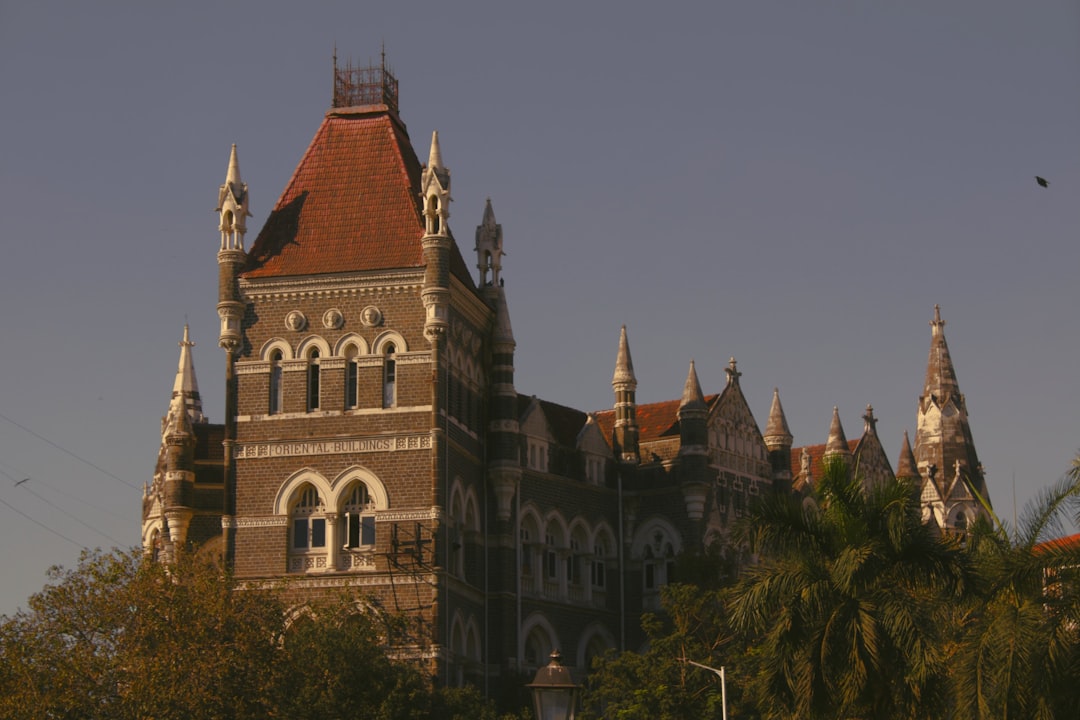
The political theatre in Maharashtra, India's economic powerhouse, typically hums with strategic maneuvering and robust debate. However, the sudden, fiery end to Deputy Chief Minister Ajit Pawar's life has rendered it silent, albeit temporarily, with an eerie undercurrent of uncertainty. As the state observes three days of mourning, the national capital watches closely, understanding that a vacuum in Mumbai often translates to ripples in New Delhi's economic plans, particularly as the Union Budget approaches.
Pawar, a political heavyweight with decades of experience navigating Maharashtra's complex power corridors, was more than just a state leader. His influence, particularly over the state's finances and cooperative sector, made him a critical interlocutor between state and central policies. His unexpected absence now forces a recalculation for the Union government, which relies on stable state leadership for effective policy implementation and economic growth projections. The sentiment, for now, is one of cautious skepticism regarding the immediate path forward for both Maharashtra and, by extension, parts of the national economic agenda.
Key Takeaways:
-
Immediate Political Instability: Ajit Pawar's death creates an urgent power vacuum in Maharashtra, potentially leading to leadership tussles within his party and the ruling coalition.
-
Impact on Union Budget: The instability in India's wealthiest state could affect national economic forecasts, investor confidence, and the central government's ability to implement pan-India fiscal policies.
-
Policy Implementation Delays: Key infrastructure projects and state-level economic reforms linked to federal funding may face significant delays or re-evaluation.
-
Shifting Political Alliances: The power void could trigger realignments within Maharashtra's political landscape, potentially influencing national coalition dynamics.
-
Market Sentiment: Uncertainty in a major economic contributor like Maharashtra typically leads to cautious or negative market reactions, adding pressure to the upcoming budget.
Main Analysis:
The Immediate Aftermath: Maharashtra's Political Flux
Maharashtra, a state renowned for its industrial might and agricultural output, now grapples with a leadership void at a critical juncture. Ajit Pawar's political journey, marked by numerous shifts and strategic alliances, saw him amass significant control over state administration and party machinery. His sudden demise not only necessitates a search for a successor but also risks fracturing the delicate balance within the ruling coalition. Historically, such transitions in power, especially in states with significant political heft, are rarely seamless. The jockeying for position could lead to internal strife, potentially diverting the state government's focus from governance to internal political consolidation. This, in turn, directly impacts the efficiency with which central schemes are implemented and state-level economic data is generated—data that forms the bedrock of the Union Budget.
A Shadow Over Shanti Bhavan: Budget Implications
While the Union Budget is a national document, its efficacy and perception are deeply intertwined with the economic health and political stability of key states. Maharashtra, contributing a substantial portion to India's GDP, plays an outsized role. A period of political uncertainty or a slowdown in governance in the state could project an image of national instability, dampening investor sentiment both domestically and internationally. The central government, in its upcoming budget, aims to project confidence and a clear path for economic growth. The disarray in Maharashtra, a state pivotal for driving this narrative, complicates that objective. Furthermore, state-specific demands and resource allocations, often lobbied for by powerful state leaders like Pawar, might now face a less assertive voice or a period of neglect amidst the internal political reshuffle. The budget could reflect a more cautious approach to projections, anticipating slower uptake on certain federally funded projects in the state.

Pawar's Economic Footprint: A Gap in Governance
Ajit Pawar's influence wasn't merely political; it extended deeply into the economic fabric of Maharashtra. Known for his keen understanding of state finances and his firm grip on cooperative banks and sugar cooperatives, he was a key figure in shaping Maharashtra's economic policies. His absence leaves a significant institutional memory gap. Critical projects, especially those in infrastructure, urban development, and rural credit, which often bore Pawar's personal imprint, might now suffer from a lack of consistent leadership or direction. The central government, while preparing its budget, will undoubtedly factor in the potential for reduced efficiency in a state that has historically been a strong performer. This situation raises questions about the continuity of economic reforms and the pace of development in a state crucial for India's overall growth trajectory.
Public Sentiment:
The public mood across Maharashtra is a complex blend of grief, political speculation, and economic apprehension. "It's a huge loss for the state, no doubt, but the immediate concern is who steps into his shoes and how smoothly," remarked a Mumbai-based industrialist. A farmer from rural Maharashtra added, "Pawar sahib understood our cooperative banks. We hope the new leadership doesn't forget the rural economy." Many express a skeptical wait-and-see attitude towards the ensuing political battles, fearing that governance might take a backseat to power struggles, ultimately affecting their livelihoods and the state's economic standing, particularly in the lead-up to the Union Budget.
Conclusion:
Ajit Pawar's tragic death is more than a personal or even a state-level tragedy; it is an unforeseen political and economic tremor that reverberates nationally. As India's Union Budget looms, the stability of Maharashtra, a cornerstone of the national economy, becomes a critical point of focus. The central government, already grappling with a complex economic landscape, now faces an additional layer of uncertainty. The coming weeks will reveal whether Maharashtra's political machinery can swiftly navigate this vacuum, ensuring that the state's economic engine continues to hum, or if the ripples of this loss will indeed cast a long, unpredictable shadow over India's financial future, necessitating a skeptical re-evaluation of national economic projections.