Key Takeaways:
-
AI is strategically deployed to overcome the significant labor shortages inherent in rare disease research and treatment development.
-
Automation through AI dramatically speeds up the initial phases of drug discovery, identifying promising compounds more efficiently.
-
Advanced data analytics powered by AI are crucial for early diagnosis, patient stratification, and personalized therapeutic approaches.
-
AI enhances the precision and safety of gene editing technologies, making complex interventions more viable.
-
The integration of AI also necessitates robust ethical considerations and regulatory frameworks to ensure equitable access and responsible development.
The Rare Disease Dilemma: A Labor-Intensive Battle
Rare diseases, defined in the US as conditions affecting fewer than 200,000 people, collectively impact an estimated 25 to 30 million Americans. With over 7,000 identified rare conditions, the challenge is staggering. Each disease often requires highly specialized research, unique diagnostic protocols, and tailored therapeutic approaches. This inherently fragmented landscape creates significant bottlenecks, primarily due to the severe shortage of specialized scientists, clinicians, and data analysts capable of navigating such intricate biological puzzles. Traditional drug discovery pipelines, which can span over a decade and cost billions, are ill-suited for the "n-of-1" nature of many rare diseases, exacerbating the labor gap and leaving vast numbers of patients without viable treatments.
AI as a Force Multiplier in Drug Discovery
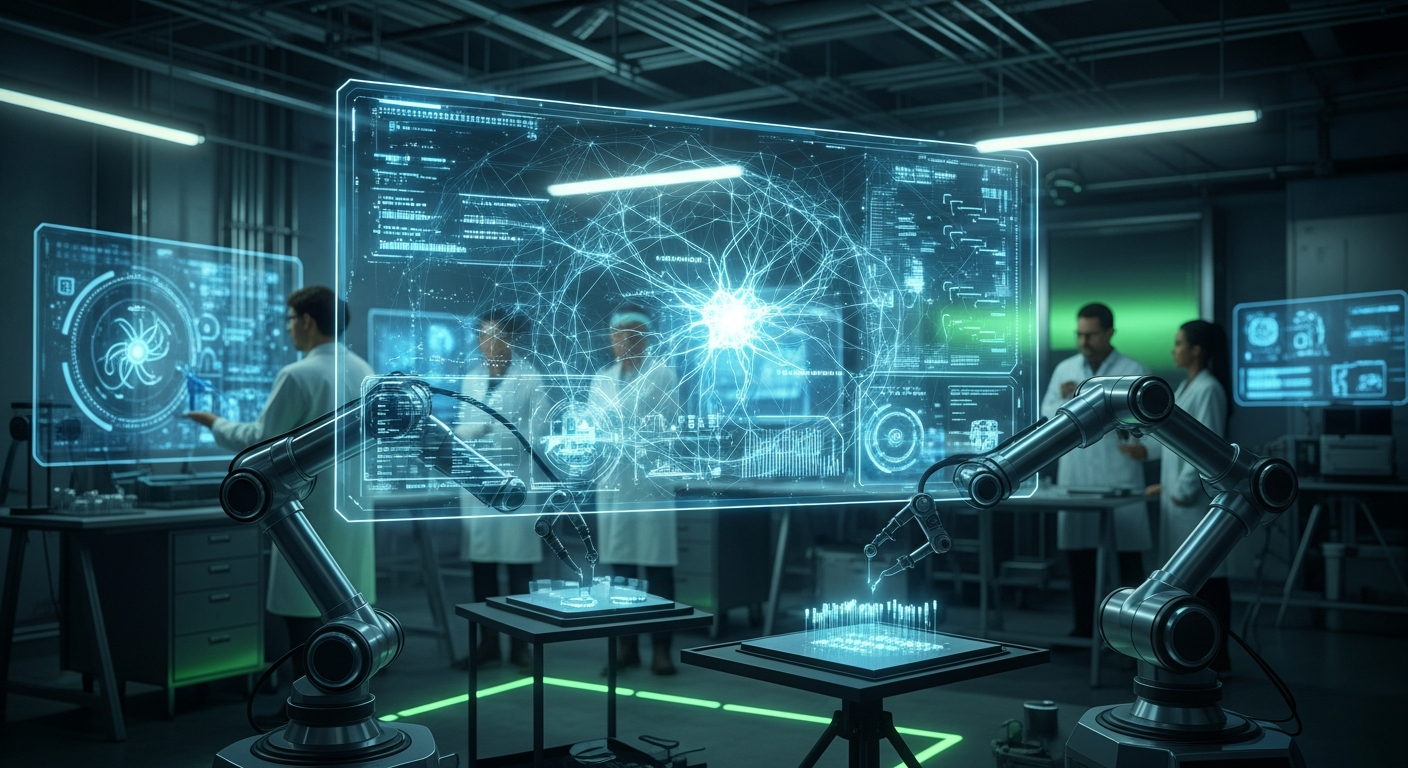
The advent of AI is fundamentally reshaping this paradigm. At events like Web Summit Qatar, biotech innovators are showcasing how AI algorithms can screen billions of potential drug compounds in a fraction of the time it would take human researchers. Machine learning models can predict molecular interactions, toxicity profiles, and efficacy with unprecedented accuracy, rapidly narrowing down candidates for preclinical testing. This automation of early-stage discovery—a highly labor-intensive process—frees up human experts to focus on more complex, strategic challenges. Furthermore, AI can design novel molecular structures specifically targeting disease pathways, effectively acting as an intelligent chemist working 24/7. This dramatically accelerates the identification of therapeutic leads, a crucial step in bringing new medicines to market faster.
Data-Driven Insights: Diagnosing and Treating with Precision
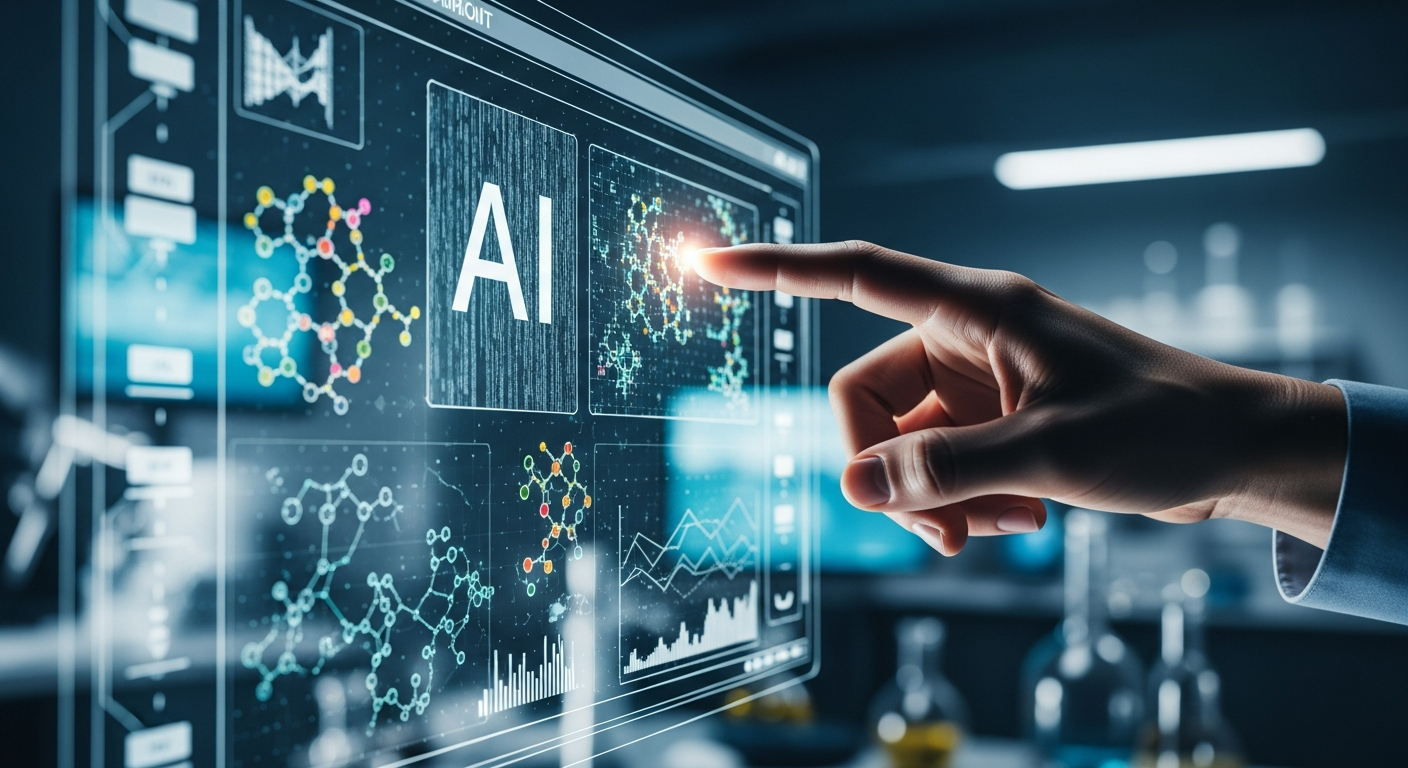
Beyond drug discovery, AI’s prowess in data analysis is proving transformative in diagnostics and personalized medicine for rare diseases. Many rare conditions are difficult to diagnose, often leading to years of uncertainty and ineffective treatments. AI can sift through vast quantities of genomic data, electronic health records, and medical imaging to identify subtle patterns and biomarkers that human eyes might miss. This capability leads to earlier and more accurate diagnoses, a critical factor for diseases where early intervention can significantly alter patient outcomes. Moreover, AI algorithms can help physicians stratify patients based on genetic profiles and disease progression, enabling the development of highly personalized treatment plans tailored to an individual’s unique biology, moving beyond a one-size-fits-all approach.
Revolutionizing Gene Editing and Advanced Therapies
Gene editing, particularly CRISPR-Cas9 technology, holds immense promise for correcting the genetic errors underlying many rare diseases. However, the precision required to avoid off-target edits and ensure therapeutic safety is paramount. AI is playing a pivotal role here, too. Algorithms can analyze vast genomic sequences to identify optimal target sites for gene editing tools, predict potential off-target effects, and even design more efficient guide RNAs. This AI-driven precision not only enhances the safety and efficacy of gene therapies but also reduces the experimental workload for scientists, allowing for quicker iteration and optimization of these complex biological interventions. The convergence of AI and gene editing is accelerating the journey from genetic understanding to curative treatments.
Public Sentiment
The rapid integration of AI into rare disease treatment elicits a complex mix of hope, caution, and excitement among stakeholders.
-
"For years, my child’s rare condition felt like an unsolvable mystery. The thought of AI accelerating discovery gives me immense hope that a cure isn't just a dream, but a tangible future." – Patient Advocate
-
"AI isn't about replacing the human element; it's about augmenting our capabilities. It allows our researchers to ask bigger questions and pursue more ambitious solutions, tackling challenges that were once insurmountable due to sheer data volume or complexity." – Biotech Researcher
-
"While the potential is revolutionary, we must ensure these advancements are accessible and equitable. The ethical frameworks around AI in healthcare, especially for gene editing, need to evolve in parallel with the technology to protect patient rights and ensure responsible deployment." – Bioethicist
-
"The speed at which AI can process data and identify patterns is a game-changer for drug development. It means we can bring therapies to trial much faster, potentially saving years in a process where every month counts for patients." – Pharmaceutical Executive
Conclusion
The deployment of artificial intelligence in the realm of rare disease treatment represents a significant paradigm shift. By intelligently automating discovery processes, extracting profound insights from complex data, and refining advanced gene-editing techniques, AI is effectively addressing the critical labor shortfalls that have historically hampered progress. While ethical considerations and regulatory frameworks must continue to evolve in lockstep with these technological advancements, the promise of AI to accelerate cures and improve quality of life for millions suffering from rare conditions is undeniable. The future of rare disease treatment is increasingly intertwined with the intelligent capabilities of machines, guided by human ingenuity and compassion.