
In an increasingly interconnected yet often segmented world, the role of culture as a unifying force becomes paramount. Actor Adarsh Gourav's recent expedition into the heart of Mumbai's hip-hop culture, in preparation for his role as an underground artist in "Tu Yaa Main," serves as a compelling case study. This isn't merely an actor preparing for a part; it's a deep dive into the socio-cultural fabric of a metropolis, revealing layers of community, resilience, and inspiration previously unseen.
Key Takeaways:
-
Profound Urban Discovery: Gourav's preparation led him to uncover previously unknown facets of Mumbai, from its scenic fringes to its bustling core.
-
Hip-Hop as a Unifying Force: The actor observed extraordinary unity within the hip-hop community, transcending sub-cultural differences.
-
Social Upliftment: Hip-hop culture is actively contributing to community development and youth empowerment in various Mumbai neighborhoods.
-
Pioneers and Mentors: The journey highlighted the invaluable contributions of local artists, producers, and promoters who shape the city's hip-hop identity.
-
Artistic Immersion: Gourav's method acting extended beyond performance, becoming an ethnographic study of a dynamic cultural movement.
Method Acting and Urban Discovery: A New Lens on Mumbai
Adarsh Gourav, an actor known for his meticulous approach, brought his nine years of Hindustani classical music training to a new, unexpected arena: the raw, pulsating energy of Mumbai hip-hop. His process for "Tu Yaa Main" was less about mimicking a persona and more about internalizing an entire culture. This involved leaving the conventional set behind and plunging into the city's true arteries – its neighborhoods.
"I found Mumbai through hip-hop," Gourav reflected on Instagram, sharing behind-the-scenes moments. "Never realised Nallasopara was surrounded by hills that offer the best panoramic views of the city. Thank you Shaikhspeare, gravity and the crew of Mumbai local for such a good memory." This sentiment underscores a critical aspect of his journey: the discovery of Mumbai not as a distant backdrop, but as a living, breathing entity whose hidden gems are often revealed through its subcultures. His exploration took him through the by-lanes of Govandi, the vibrant streets of Andheri, and the historic landscape of Dharavi, each encounter adding a new dimension to his understanding.
The Unifying Power of Hip-Hop: A Tapestry of Talent
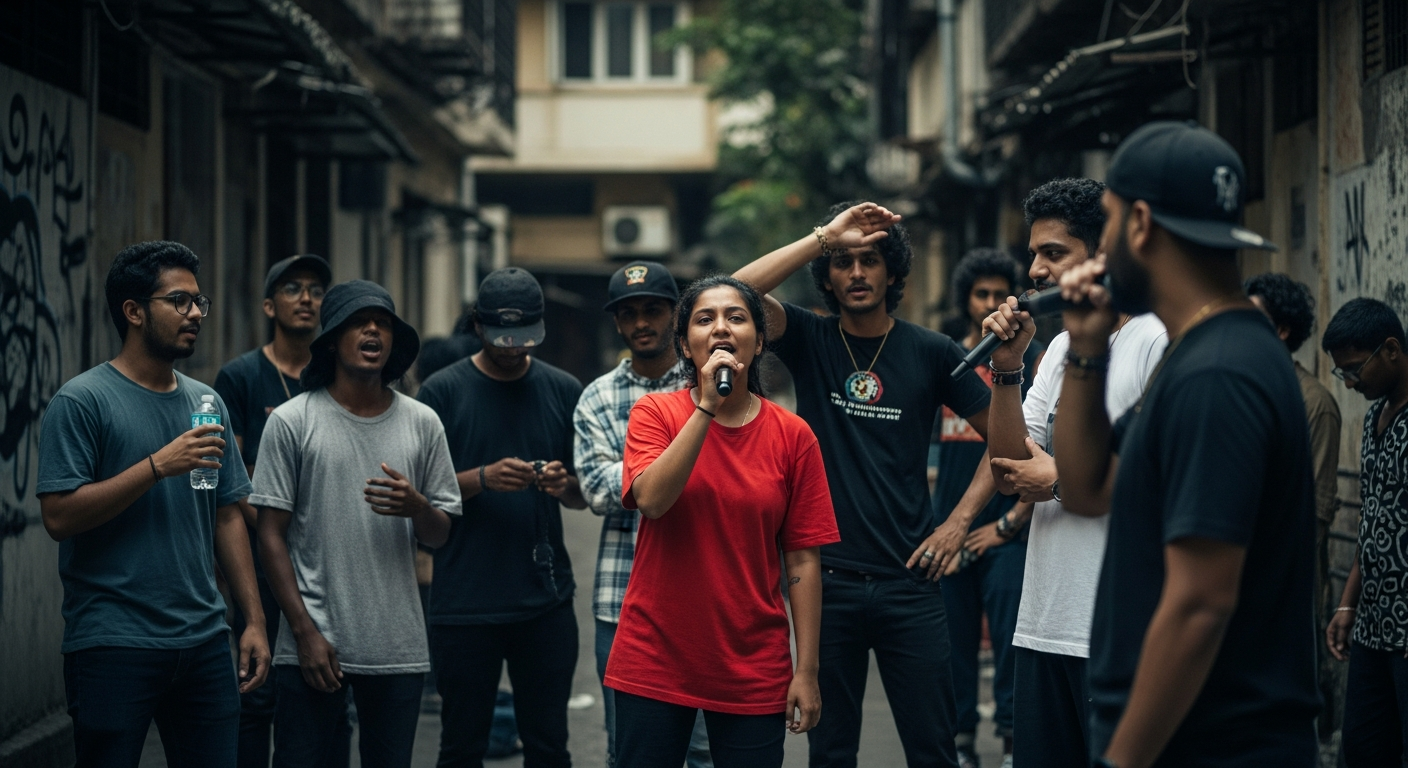
One of the most striking observations from Gourav's experience is the profound sense of unity within Mumbai's hip-hop community. Despite the inherent diversity in styles, origins, and personal narratives, a powerful collective spirit binds these artists. This unity, as Gourav noted, is particularly inspiring given the usual disagreements and differences that can characterize any artistic landscape. He encountered a rich tapestry of individuals, each contributing uniquely to the scene.
In Govandi, he met Vijay Dada, whose personal journey from hardship to mainstream visibility, coupled with his dedication to mentoring local children through martial arts and hip-hop, left a lasting impression. "Does so much for the upliftment of kids in his area," Gourav shared, highlighting the community-centric ethos. In Andheri, he connected with figures like Kinga, Yeda Anna, Ace, and Ninja, hearing first-hand accounts of Mumbai's nascent hip-hop days, from early video shoots in JB Nagar to their current success as producers and musicians. These stories of growth and mutual support paint a vivid picture of a self-sustaining ecosystem built on shared passion and solidarity.
Bridging Gaps: Music, Education, and Community Empowerment
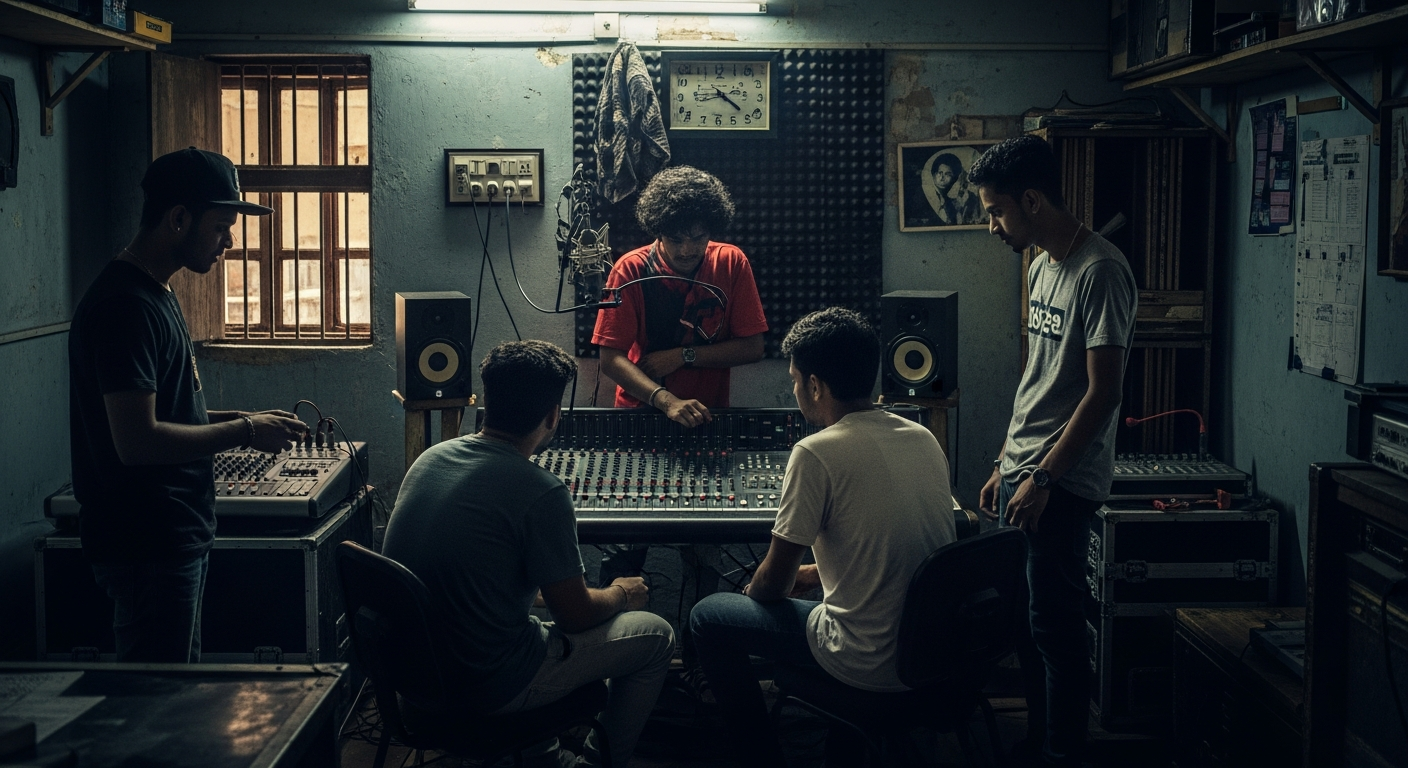
Beyond artistic expression, Gourav's journey highlighted hip-hop's significant role as a catalyst for social change and empowerment. The narratives of individuals like Akku, a pioneer in Dharavi, exemplify this. Akku, described as having "slogged tirelessly behind the scenes as a promoter of hip hop and education," offered Gourav an unprecedented view of Dharavi. His studio became a hub for promising new talent, including the 7 Bantaiz, who played an integral role in the film's album and even lent their space for shoots. This illustrates how local figures are not just creating music but fostering environments where education and artistic development go hand-in-hand.
The influence extends to established icons like Naezy, whose unreleased tracks left Gourav deeply impressed, showcasing the continued evolution and depth of the genre. Crucially, the process was facilitated by Gourav's brother, Shantanu, whose own extensive history in music, particularly from his "Swadesi days," made the connection deeply personal and authentic. "He became my eyes and ears through the process of understanding Maruti," Gourav acknowledged, emphasizing the collaborative spirit that underpins the entire endeavor.
Public Sentiment: An Inspiring Unity
The actor's sentiments resonate with a broader appreciation for cultural immersion as a path to understanding and empathy. His observations, "Even in all their disagreements and differences in sub-cultures, the hip-hop community shows so much unity, it's inspiring," underline a powerful takeaway that transcends the entertainment industry. This statement echoes a public yearning for authentic connections and a celebration of diversity that manages to coalesce into a powerful collective. The narrative of "flowpara owing a lot to all of you" speaks volumes about the reciprocal relationship between artists and the communities they represent and uplift.
Conclusion
Adarsh Gourav's transformative journey into Mumbai's hip-hop scene for "Tu Yaa Main" offers a profound lesson: culture is a living organism, constantly evolving and capable of revealing the true essence of a city and its people. His experience provides valuable insights into the power of artistic immersion, not just for crafting a compelling performance, but for uncovering the inspiring unity and social impact embedded within a vibrant subculture. The story of Mumbai's hip-hop community, as seen through Gourav's eyes, stands as a testament to the genre's ability to transcend entertainment and become a vital force for discovery, connection, and collective upliftment.